Back to top
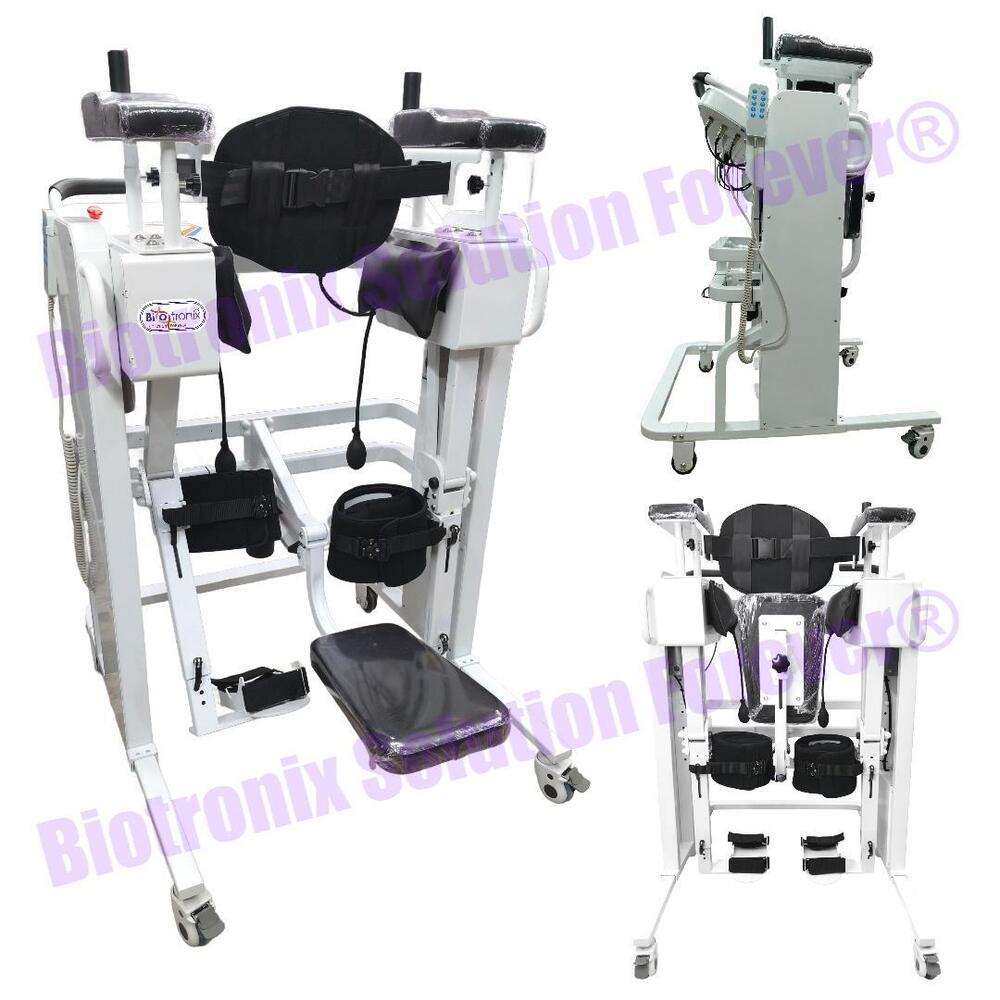
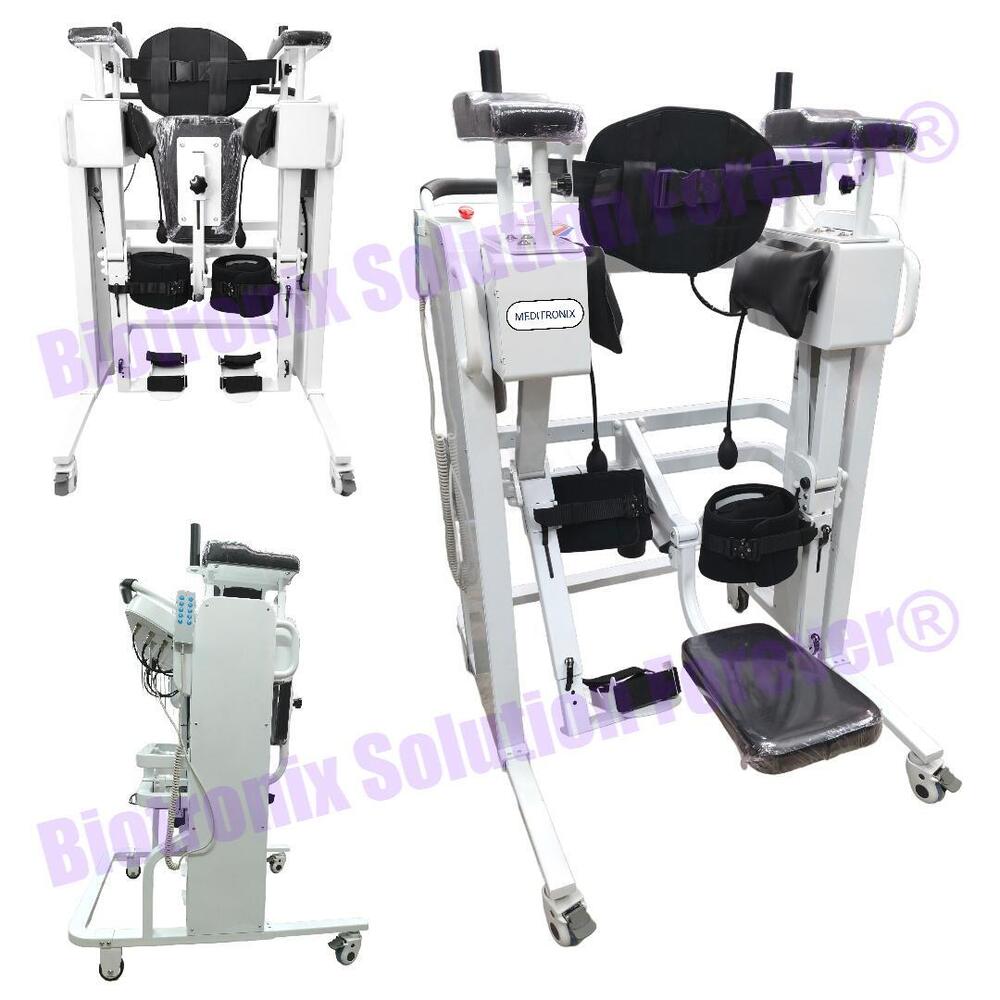
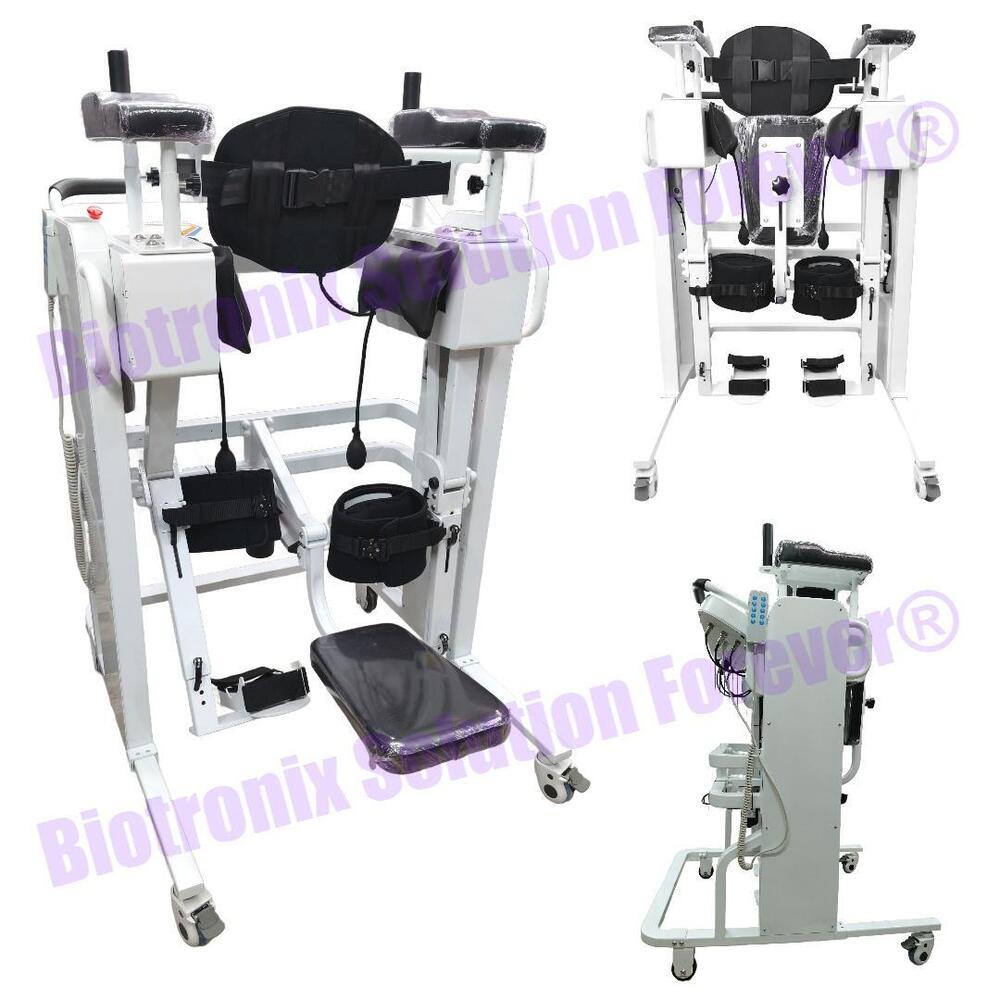
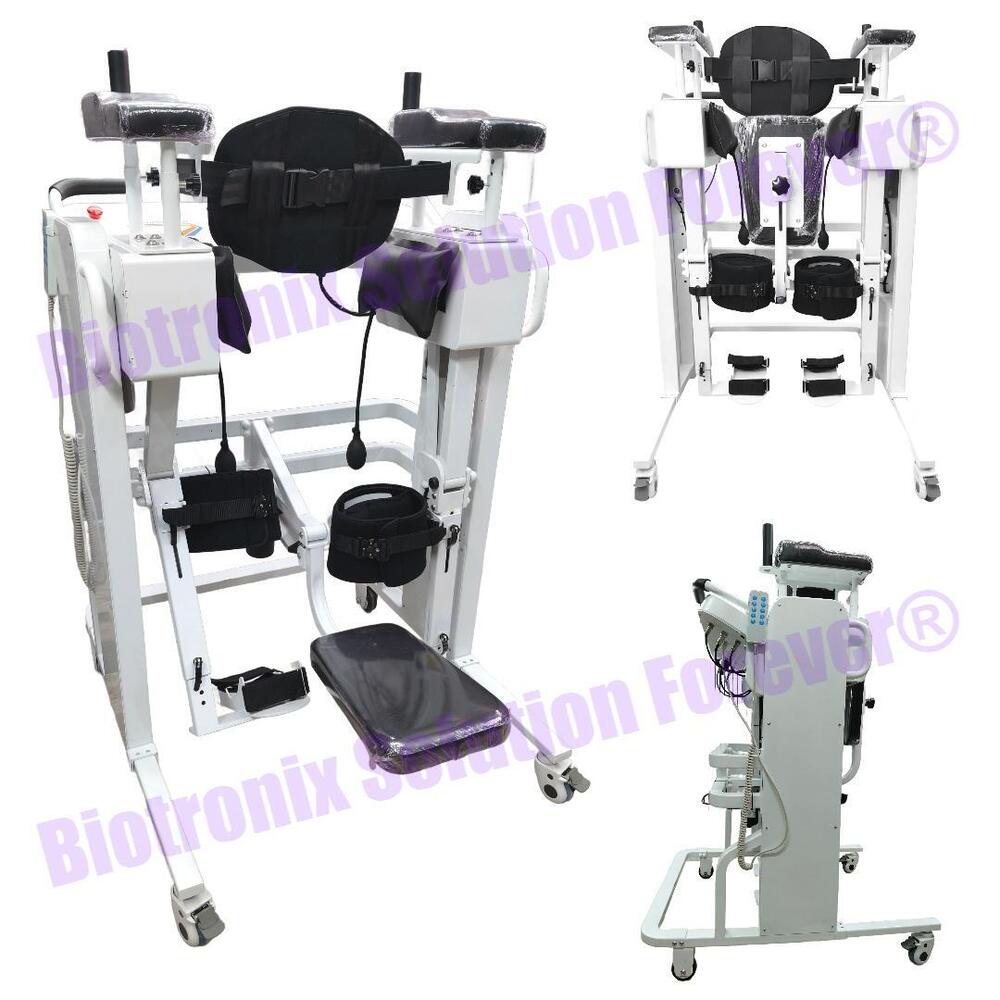
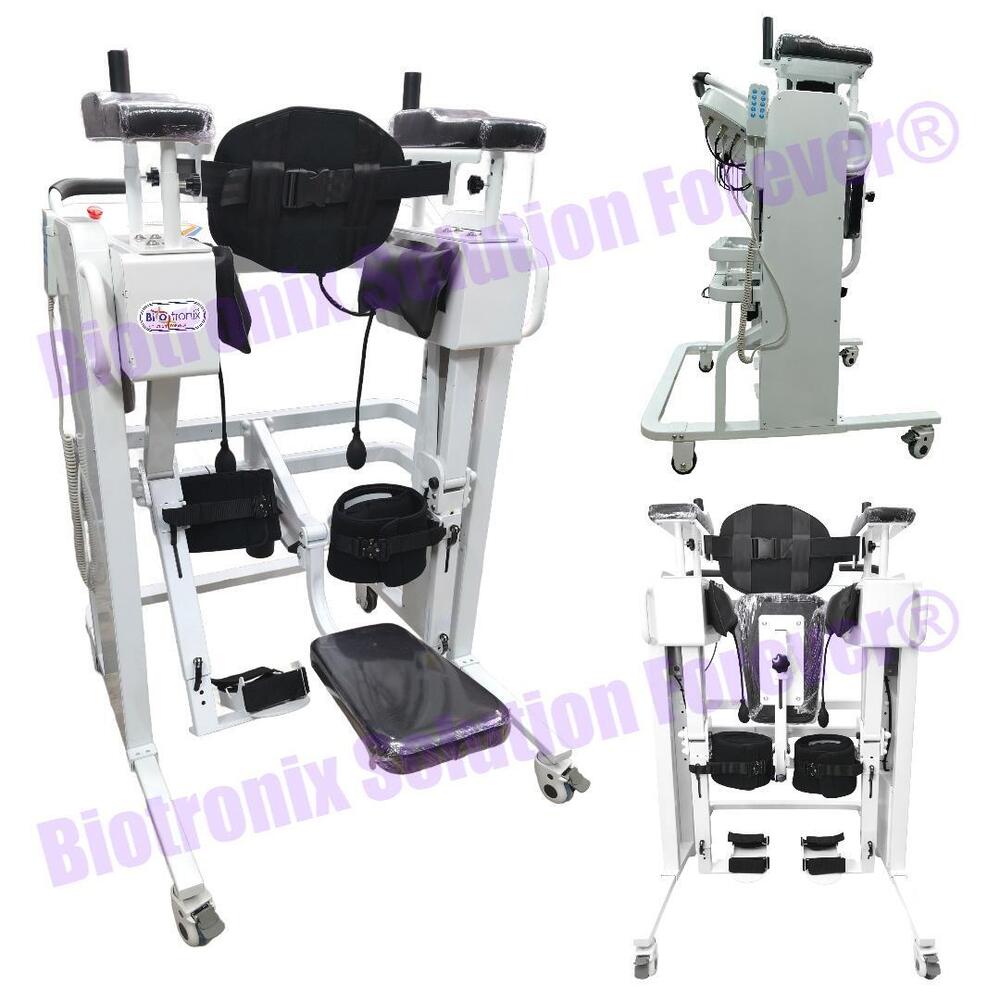
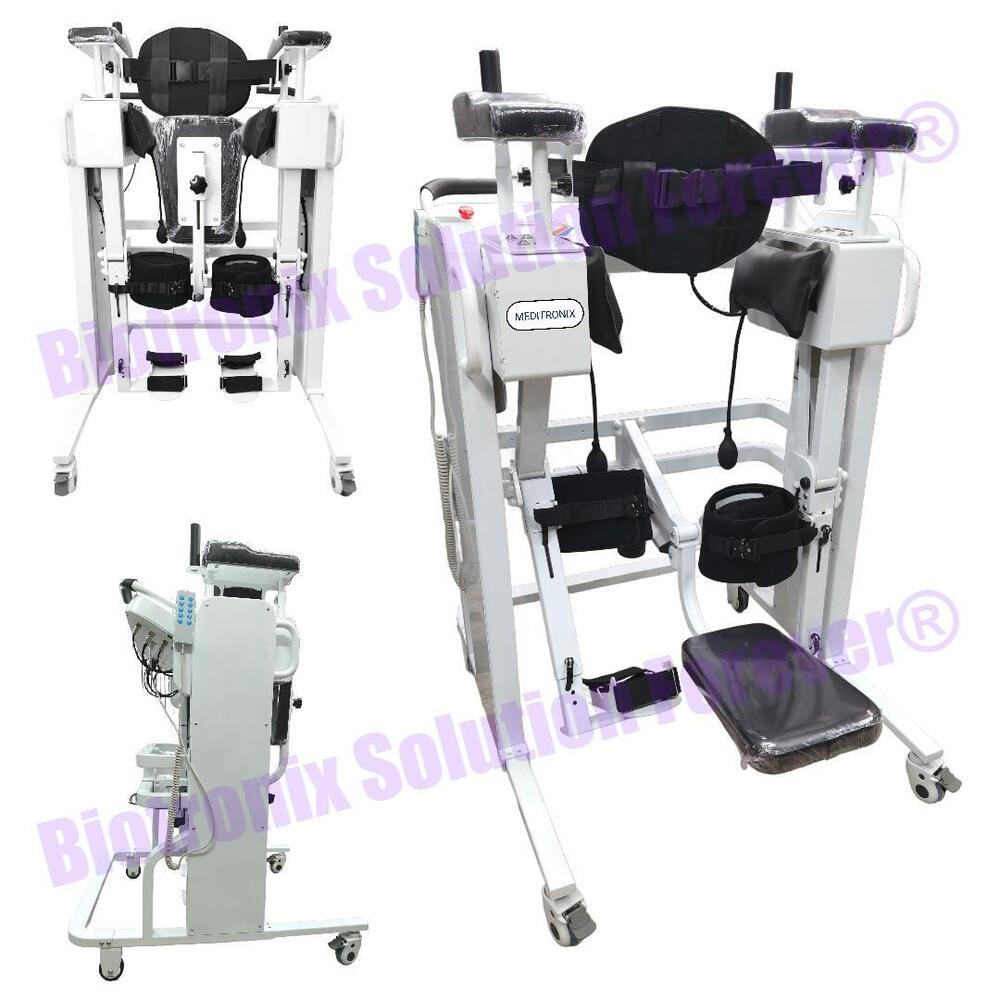
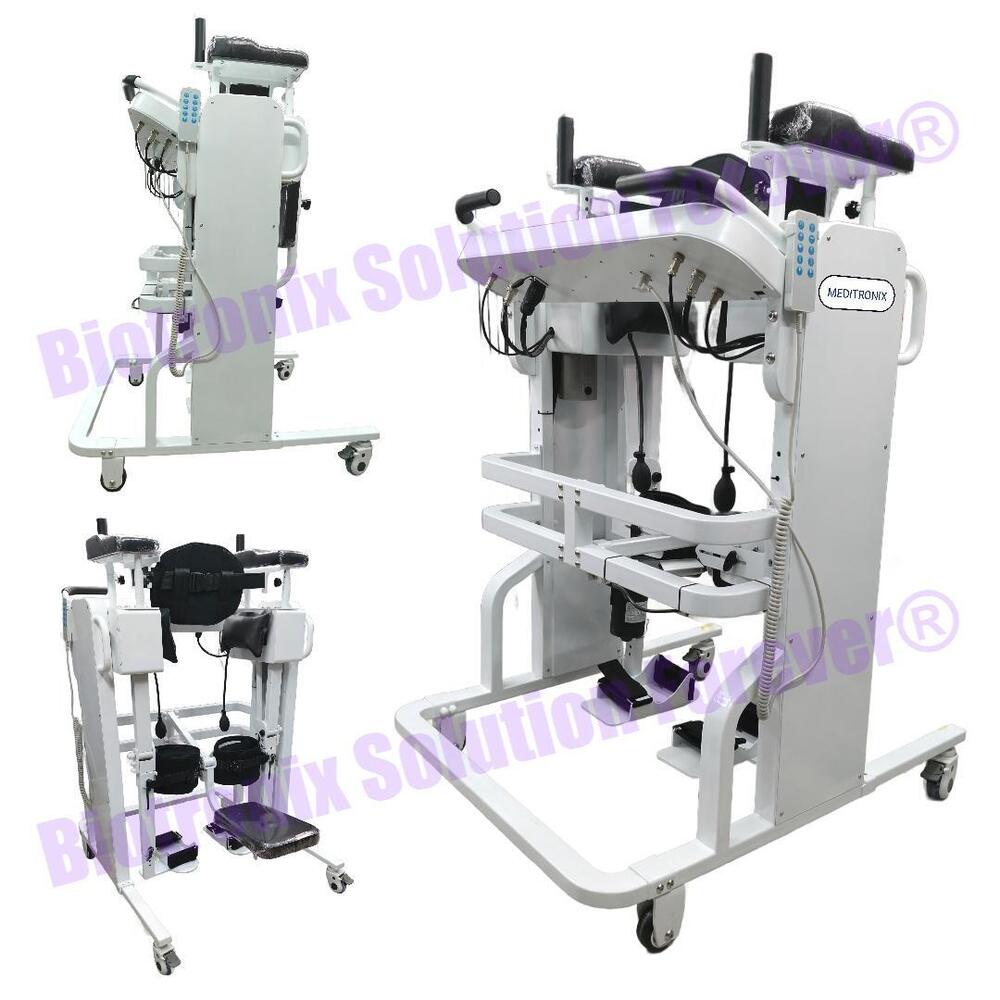
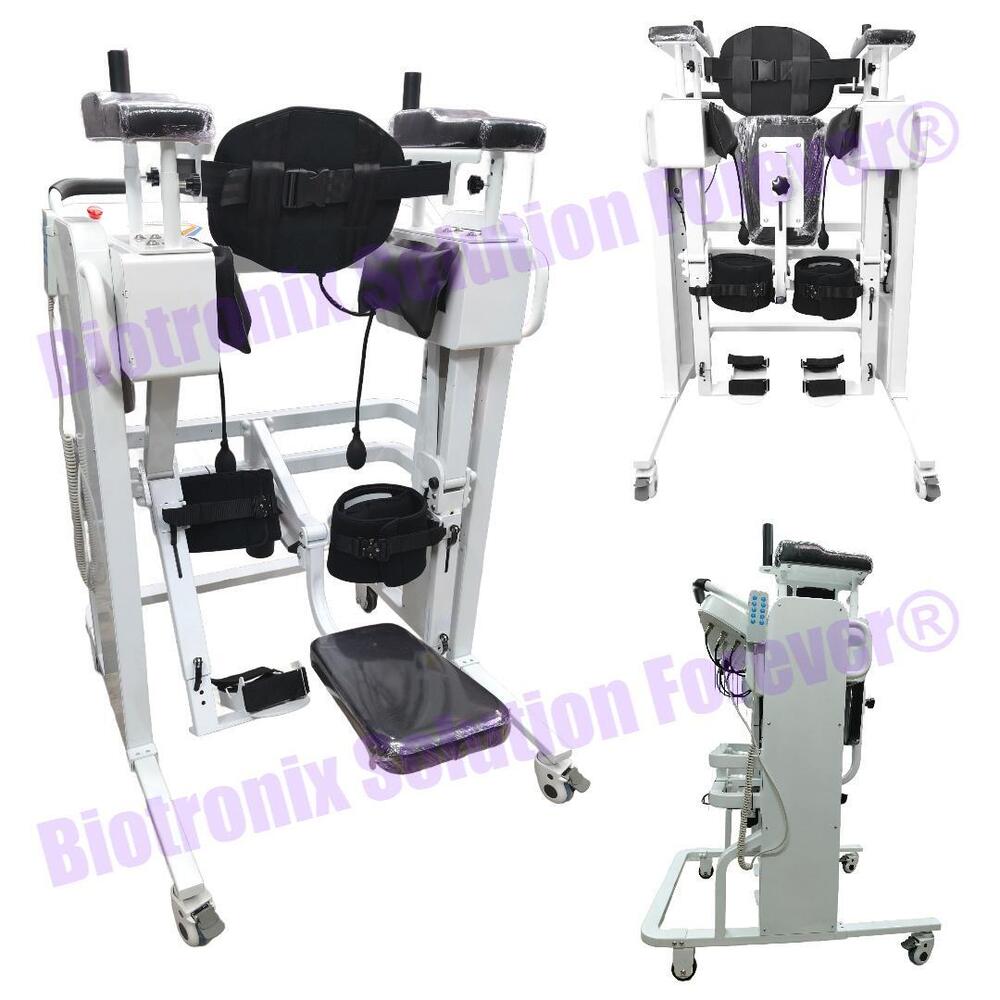
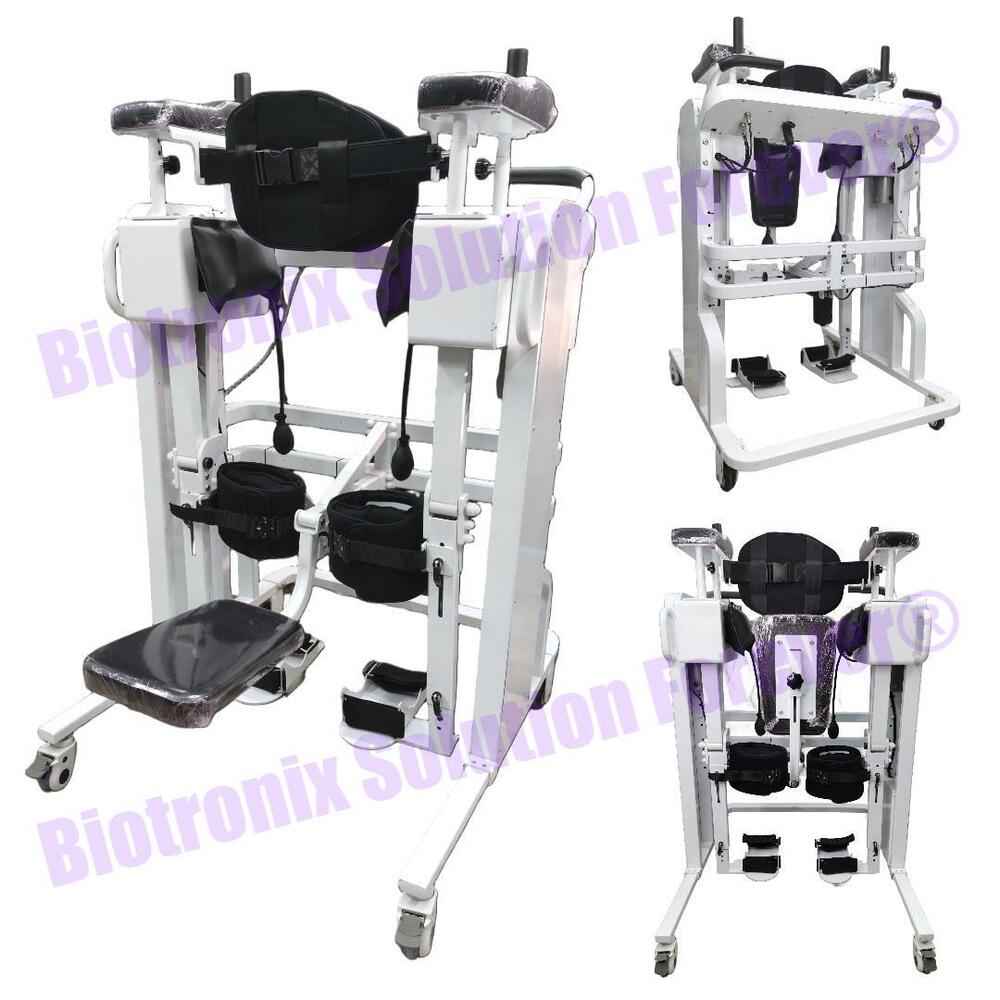
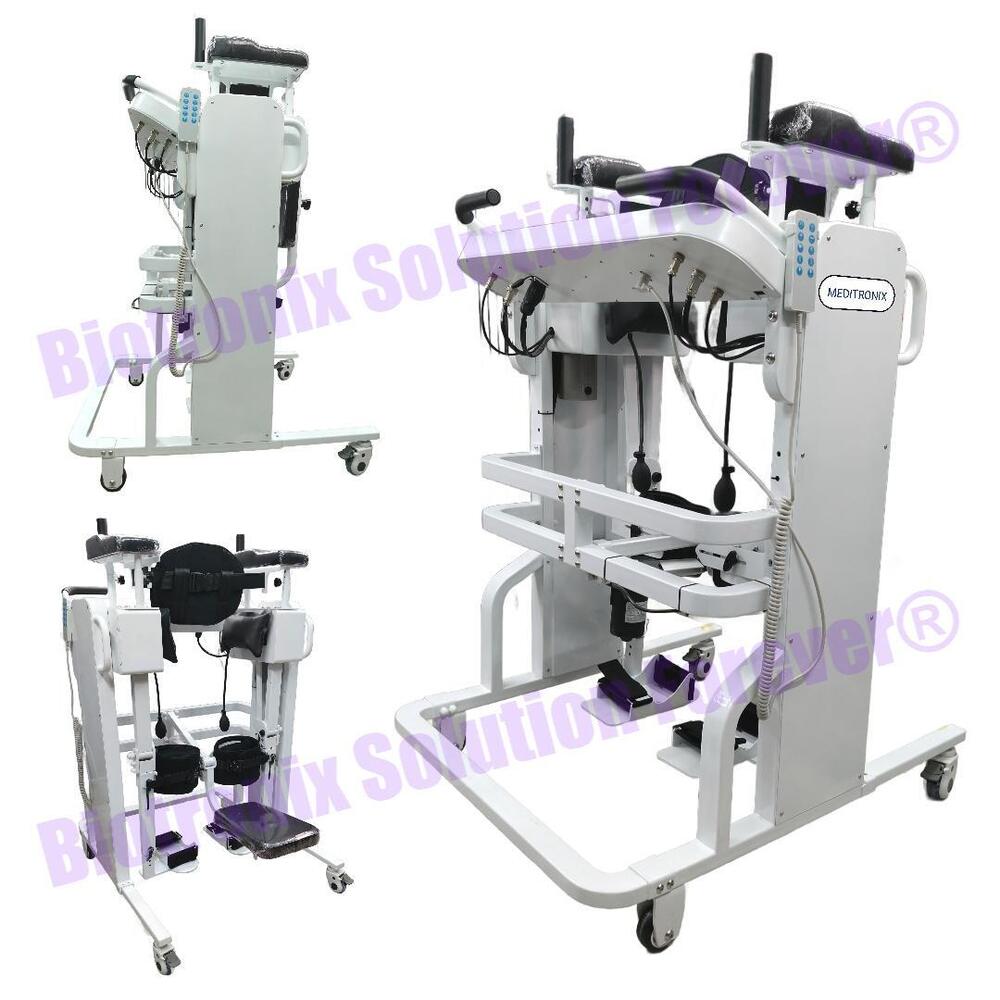
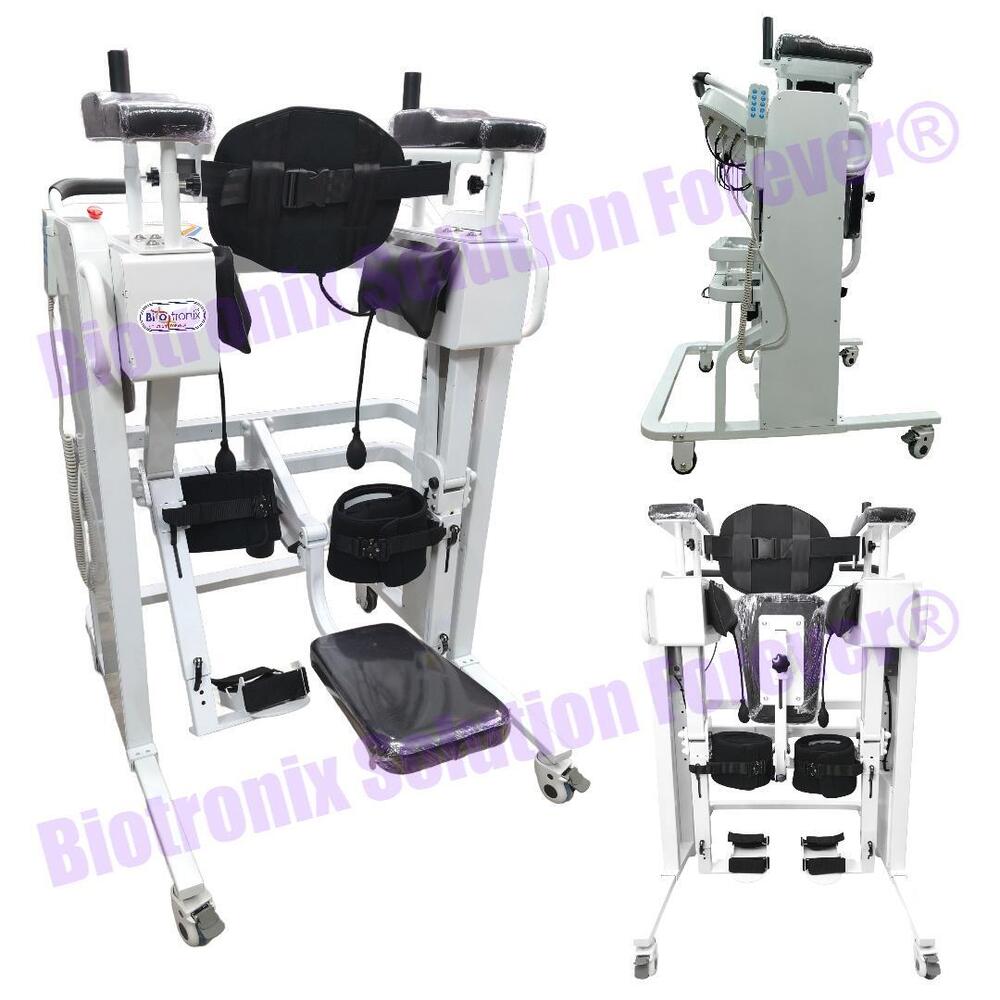
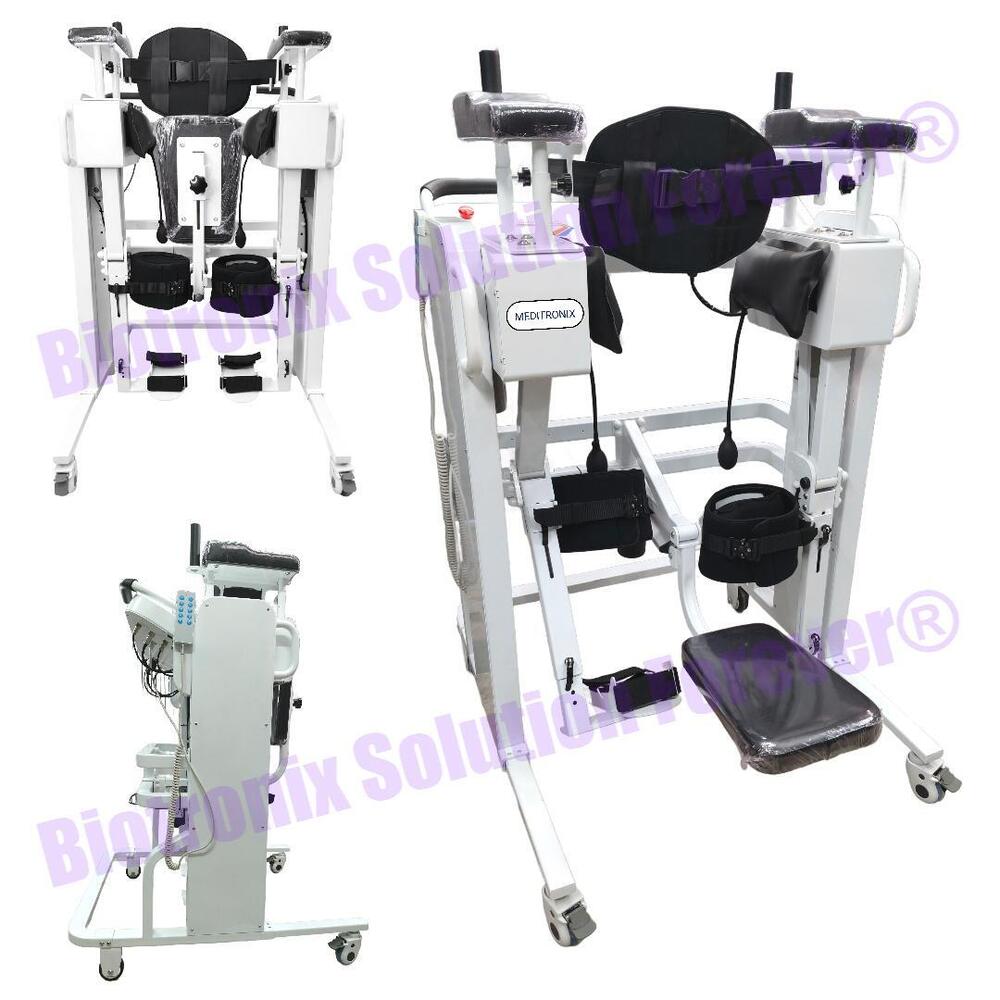
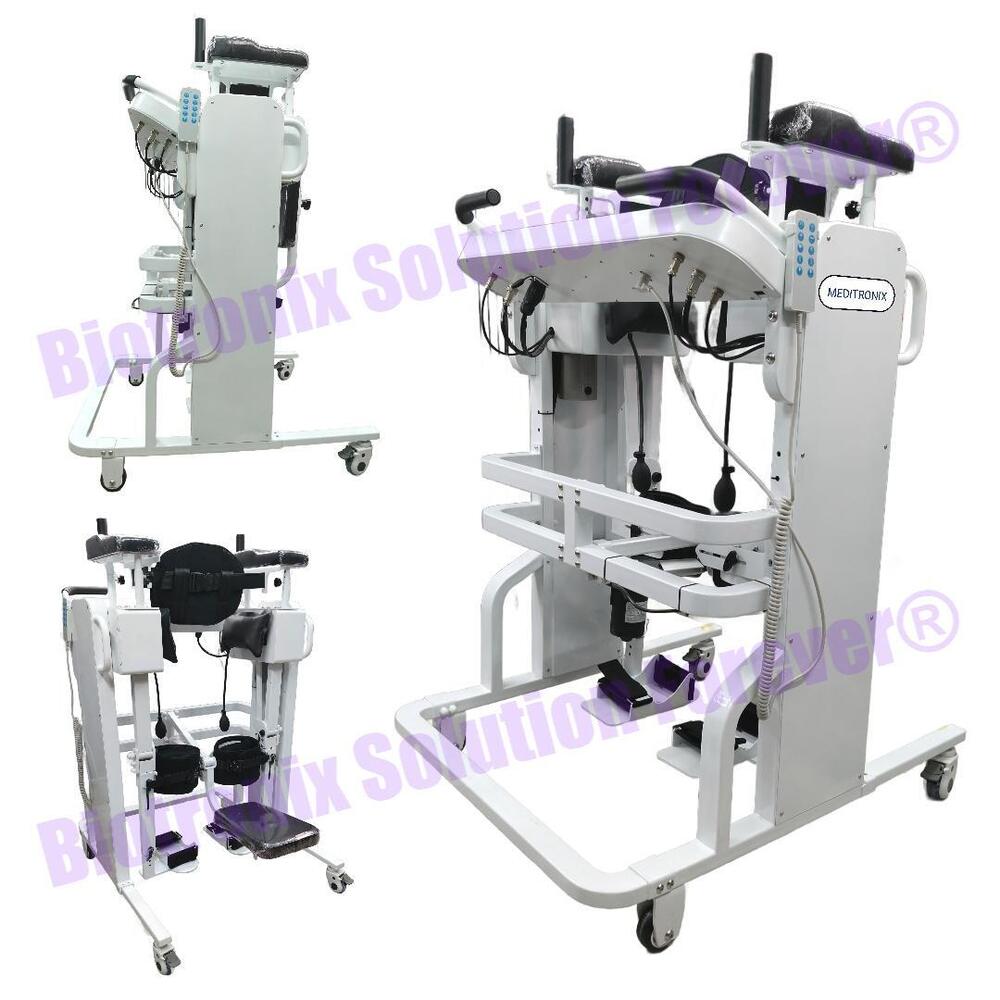
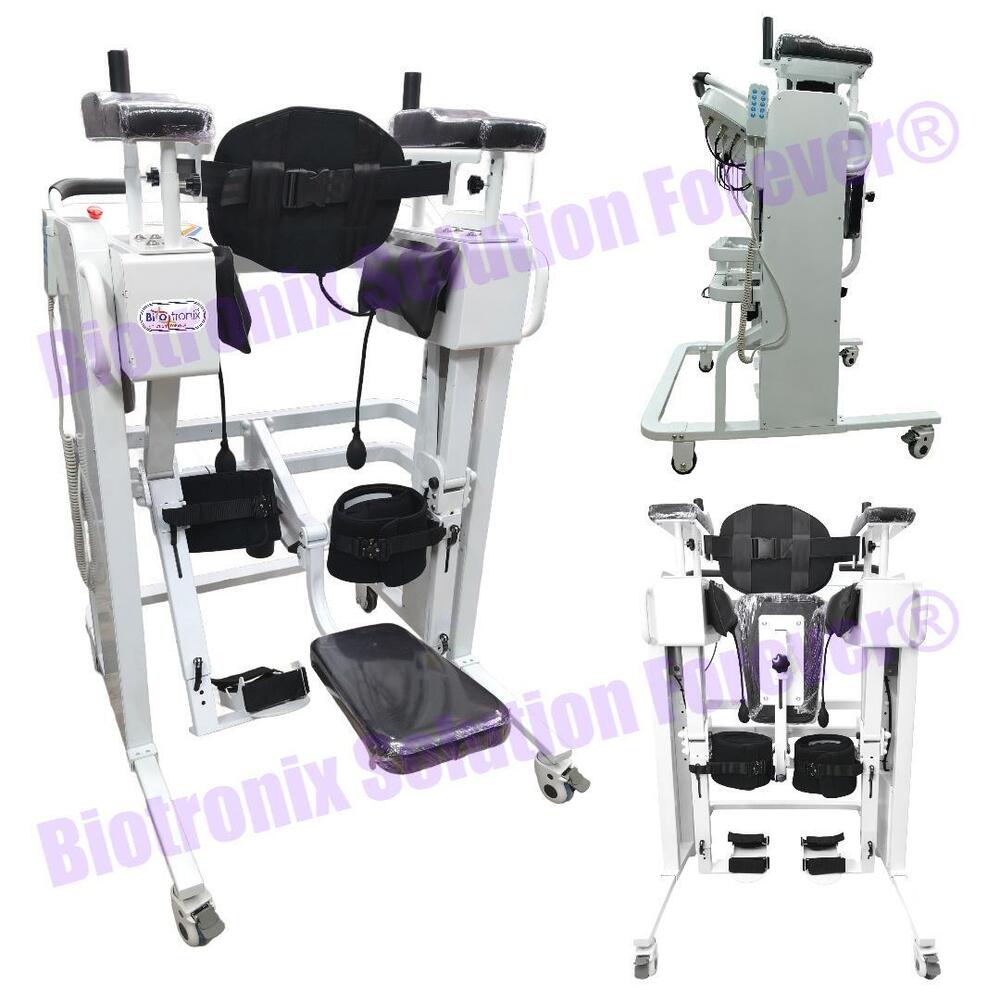
Wearable Exoskeleton Devices for Assisted Mobility Training

Wearable Exoskeleton Devices for Assisted Mobility Training

Price 20000 INR/ Piece

MOQ : 1 Piece

Wearable Exoskeleton Devices for Assisted Mobility Training Specification

  • Lighting Type
  • Smart rehabilitation systems
  • Real-Time Operation
  • Clinical rehab technology Week
  • Capacity
  • Clinical exoskeleton solutions Kg
  • Operation Mode
  • Hospital-grade exoskeleton
  • Portable
  • Neuro rehabilitation exoskeleton
  • Wall Mounted
  • Orthopedic rehab exoskeleton
  • Material
  • Medical exoskeleton technology
  • Accuracy
  • Neuro rehab technology mg
  • Application
  • Wearable exoskeleton therapy
  • Feature
  • Advanced rehabilitation tools
  • Warranty
  • Advanced physiotherapy exoskeleton
  • Storage Instructions
  • Joint mobility therapy
  • Use
  • Robotic physiotherapy systems
  • Operating Type
  • Clinical exoskeleton therapy
  • Attributes
  • Exoskeleton solutions for clinics
  • Equipment Type
  • Smart rehabilitation exoskeleton
  • Shape
  • Orthopedic rehab systems
  • Adhesive Type
  • Advanced rehab equipment
  • Noise Level
  • Advanced rehabilitation solutions db
  • Magnification Power
  • Stroke recovery clinical exoskeleton mm
  • Set Contains
  • Exoskeleton-assisted rehab
  • Power
  • Exoskeleton-assisted treatment Volt (v)
  • Power Consumption
  • Hospital-grade exoskeleton Watt (W)
  • Dimension (L*W*H)
  • Neuro rehab exoskeleton Inch (in)
  • Size
  • Exoskeleton rehab technology
  • Condition
  • Physiotherapy robotic systems
  • Technology
  • Joint mobility clinic rehab
  • Function
  • Physiotherapy robotics
  • Color
  • Orthopedic rehab technology
  • Suitable For Use
  • Medical exoskeleton devices
  • Voltage
  • Medical exoskeleton systems Statampere (sA)
  • Recyclable
  • No
  • Recommended For
  • Shoulder, Joints, Cervical, Back, Muscles, Nerves
  • Treatment
  • Exoskeleton-assisted clinical therapy
  • Measuring Range
  • Clinical exoskeleton rehabilitation Rankine
  • Pressure Range
  • Hospital-grade exoskeleton equipment
  • Frequency Range
  • Exoskeleton technology for clinics Hertz (HZ)
  • Usage
  • Advanced rehabilitation exoskeleton
  • Age Group
  • Children, Adults, Women, Elders, Infants
  • Display
  • Touch Screen
  • Power Source
  • Electric
  • Weight
  • Wearable exoskeleton for rehab Kilograms (kg)
 

Wearable Exoskeleton Devices for Assisted Mobility Training Trade Information

  • Minimum Order Quantity
  • 1 Piece
  • FOB Port
  • New Delhi
  • Payment Terms
  • Paypal, Cash Against Delivery (CAD), Cash on Delivery (COD), Cash Advance (CA), Cash in Advance (CID), Cheque, Days after Acceptance (DA), Delivery Point (DP), Letter of Credit at Sight (Sight L/C), Telegraphic Transfer (T/T), Western Union, Letter of Credit (L/C)
  • Supply Ability
  • 1 Piece Per Day
  • Delivery Time
  • 1 Week
  • Sample Available
  • Yes
  • Sample Policy
  • Free samples available with shipping and taxes paid by the buyer
  • Packaging Details
  • as per communication
  • Main Export Market(s)
  • Asia, Australia, Central America, North America, South America, Eastern Europe, Western Europe, Middle East, Africa
  • Main Domestic Market
  • All India
  • Certifications
  • as per communication customer
 

About Wearable Exoskeleton Devices for Assisted Mobility Training

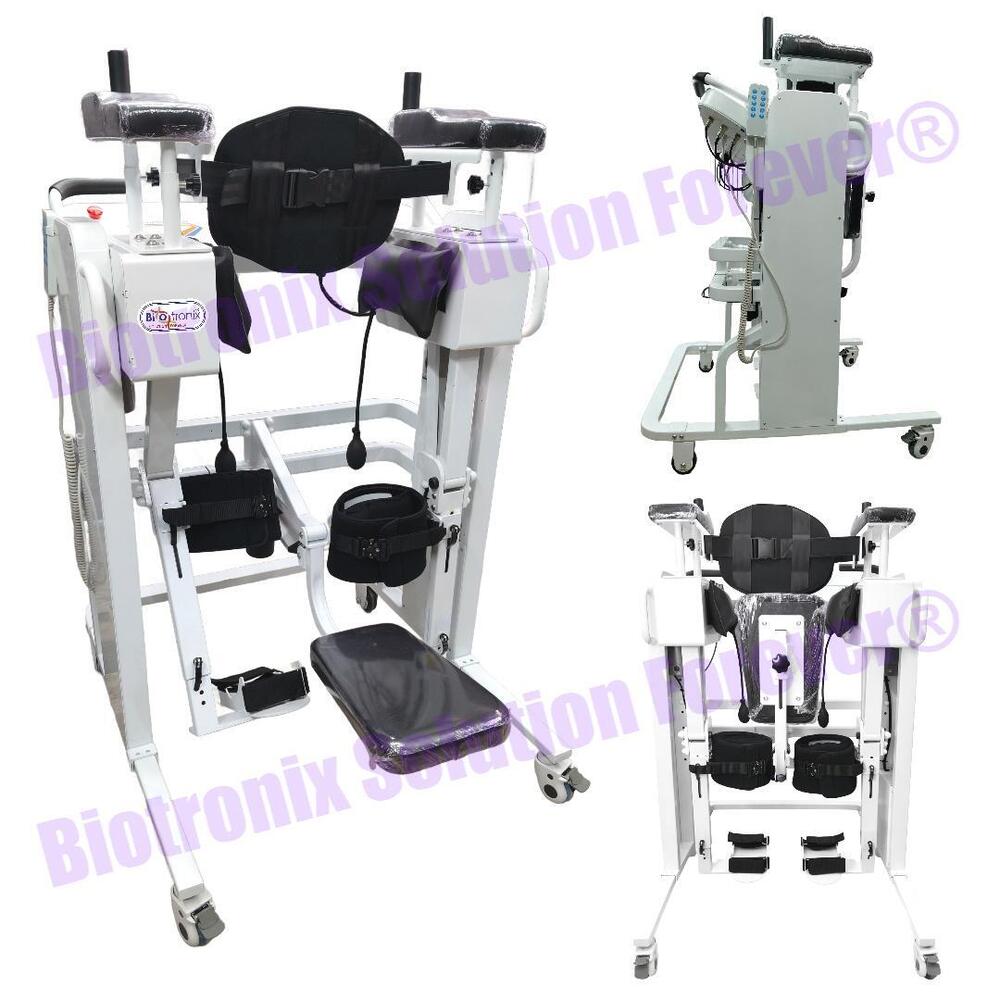
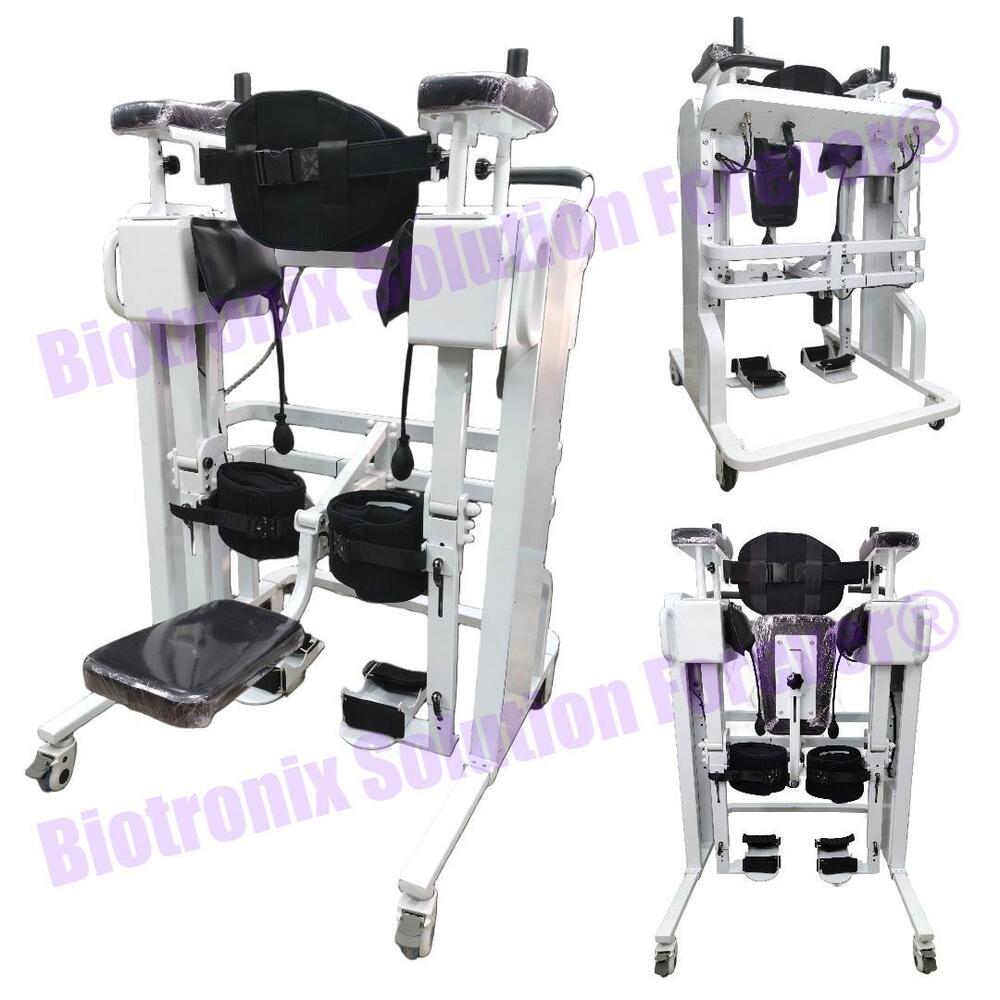
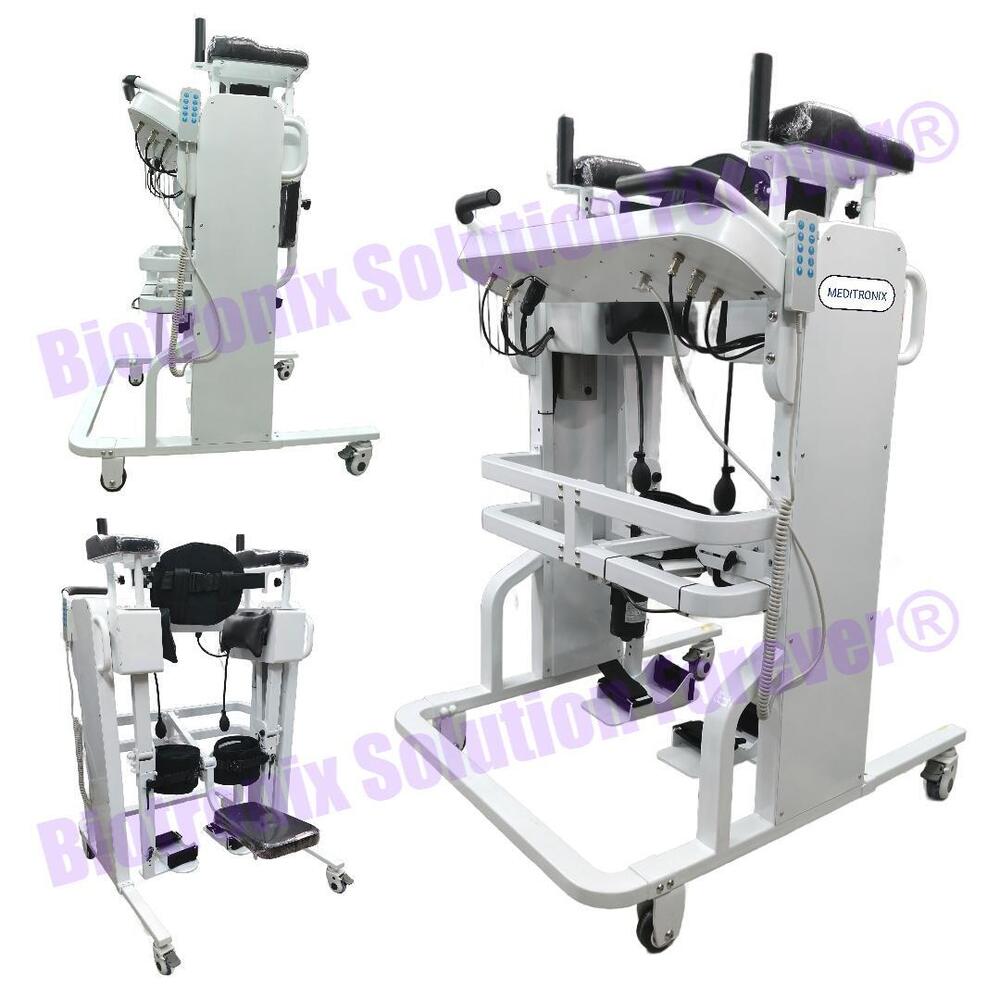
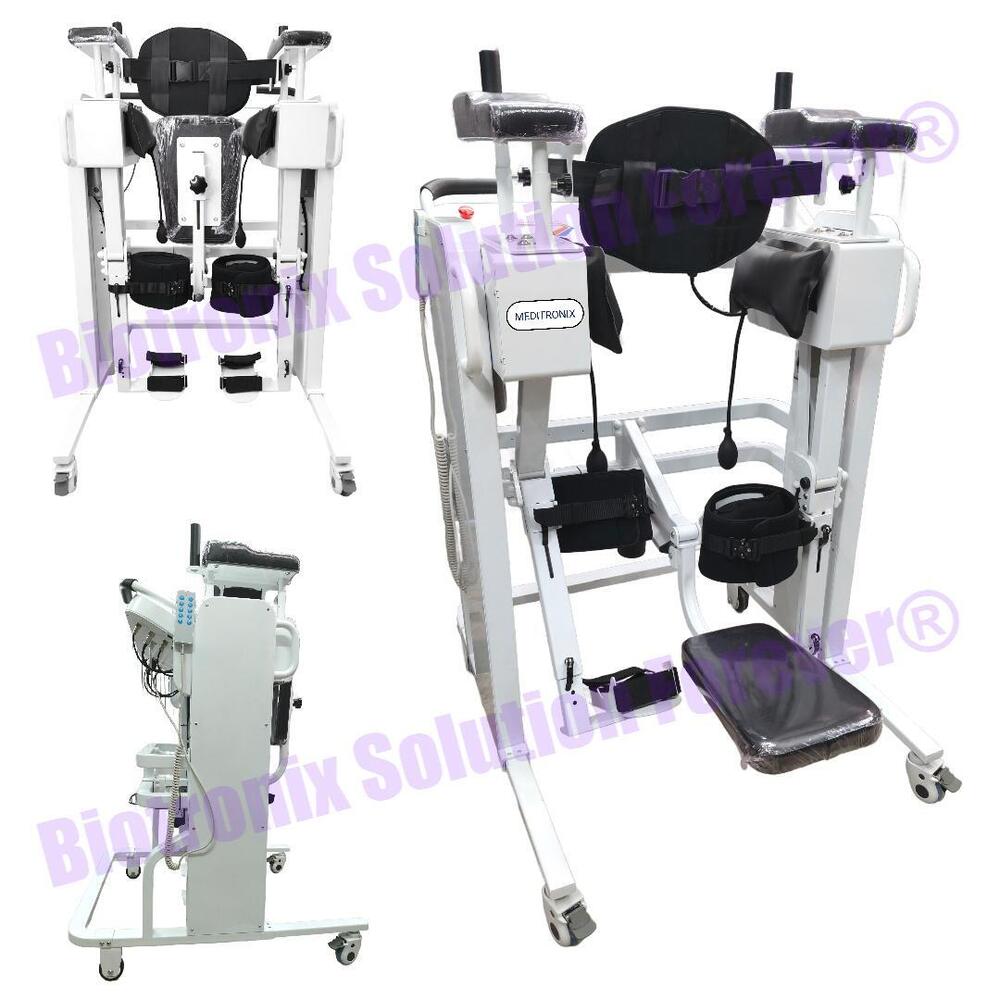
Biotronix Wearable Exoskeleton Devices for Assisted Mobility Training

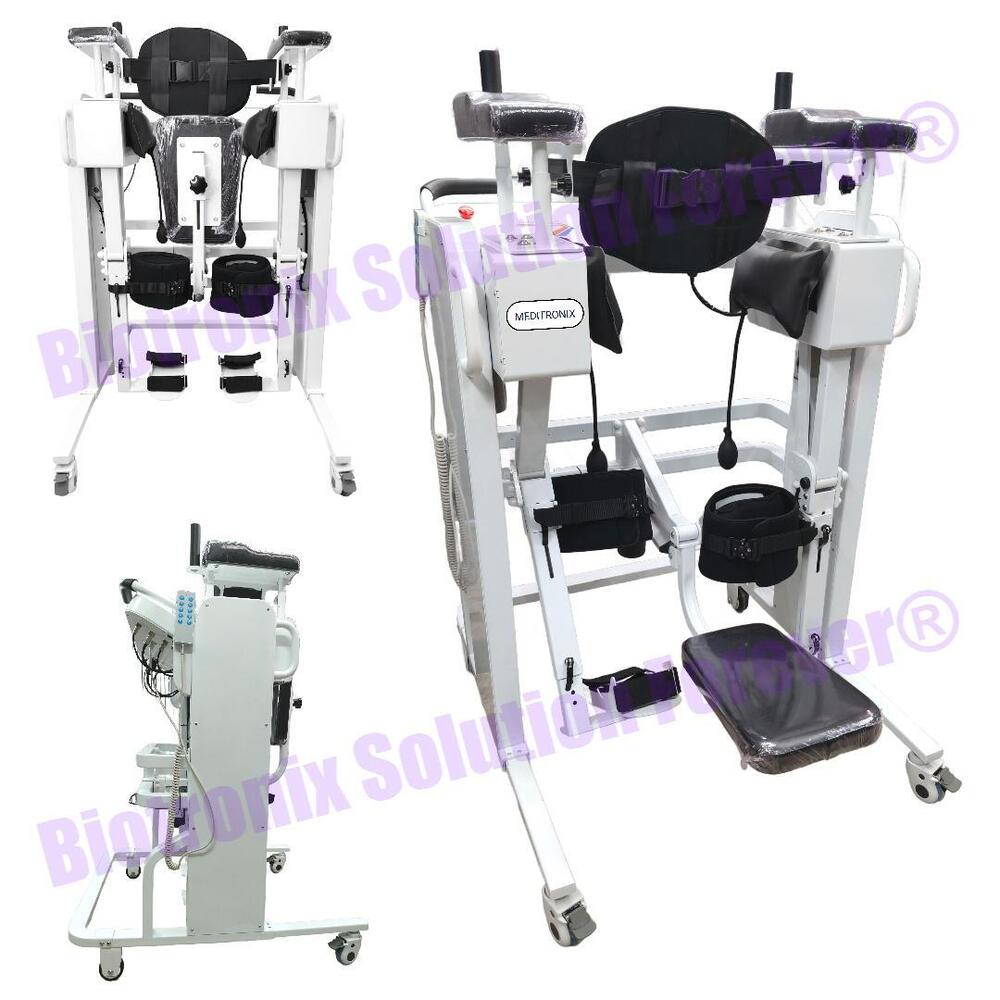
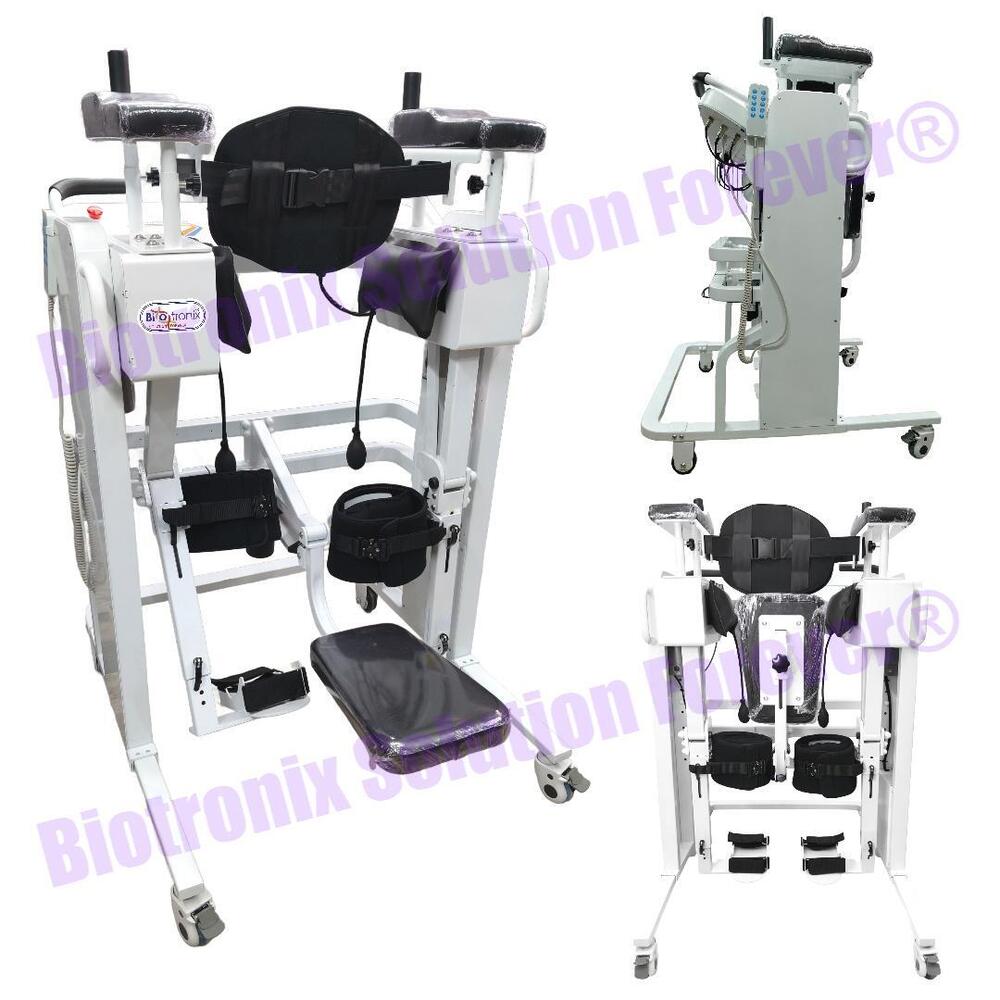
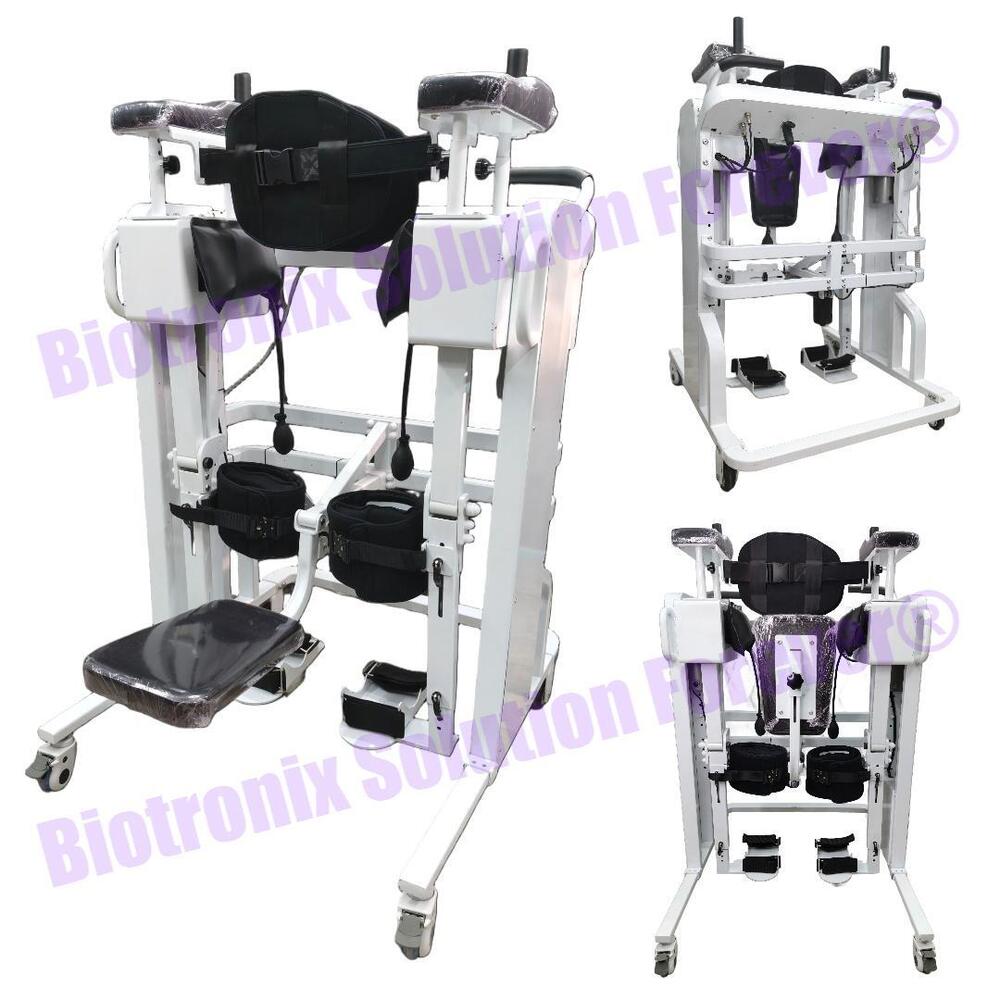
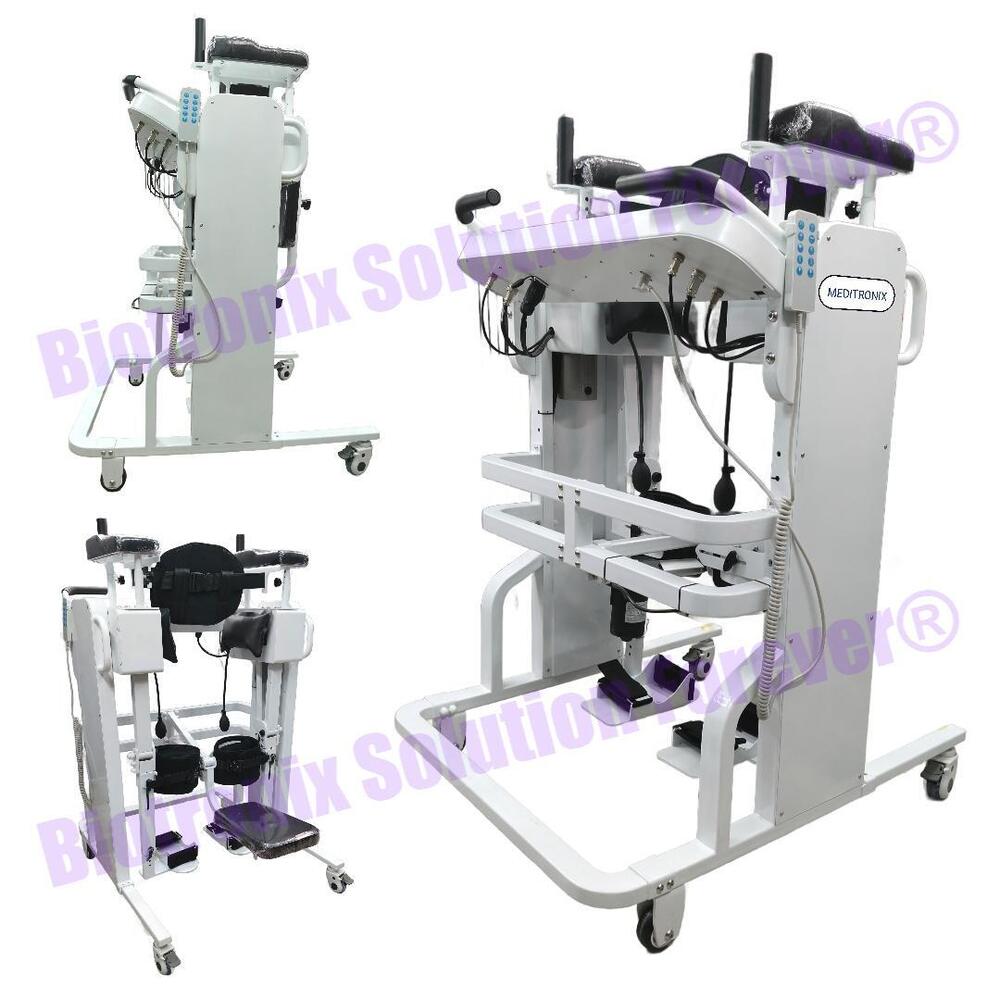
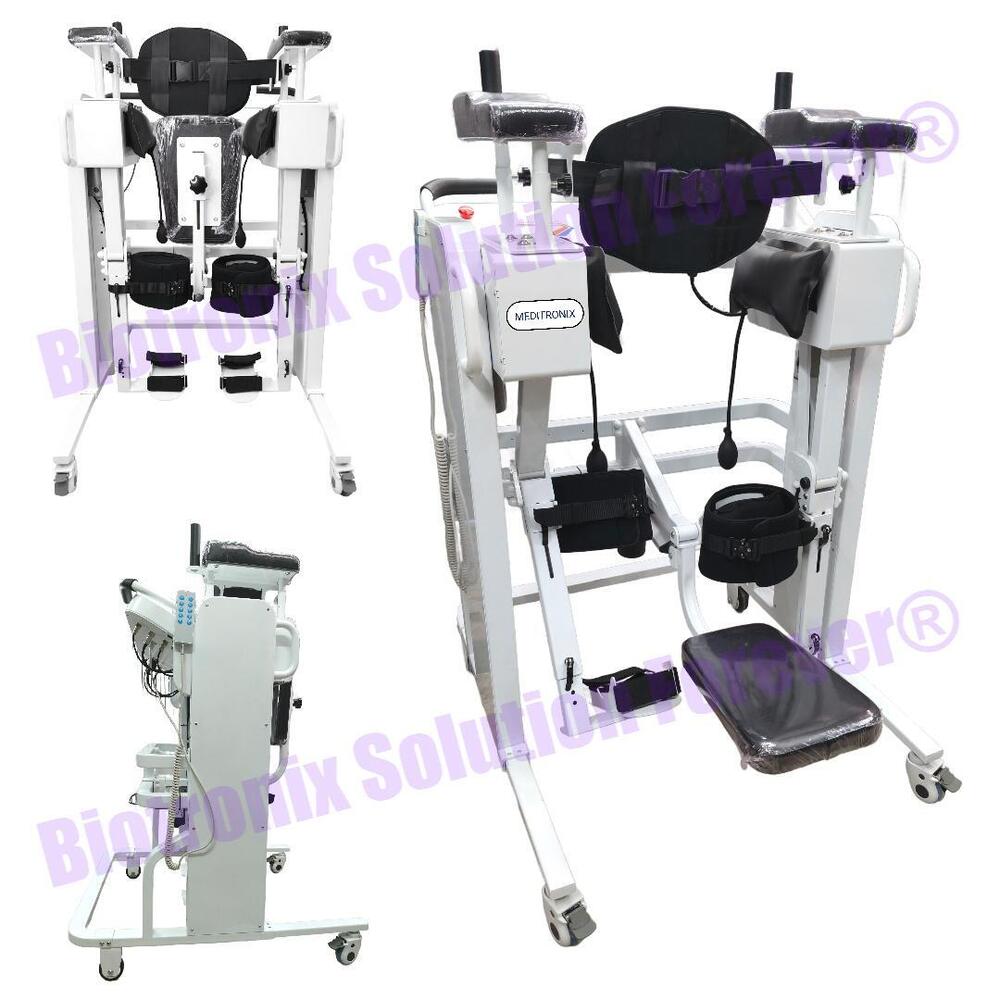
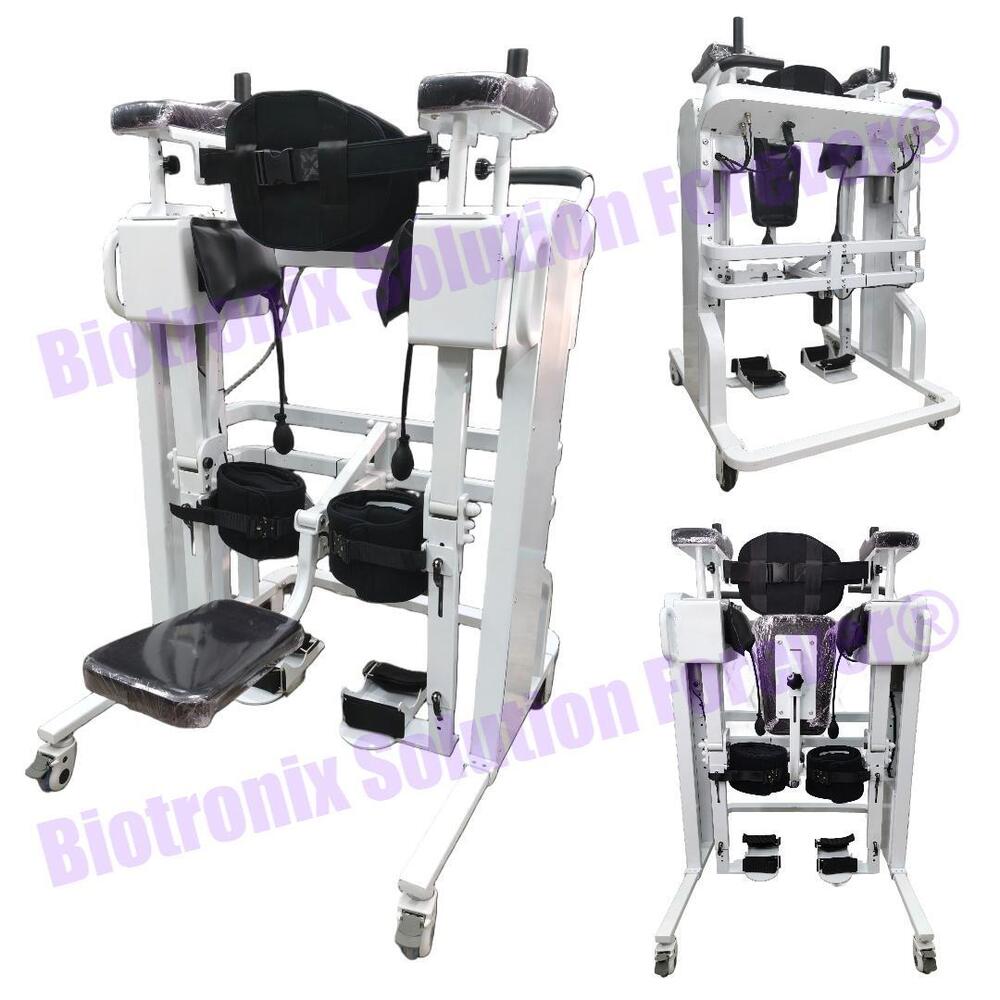
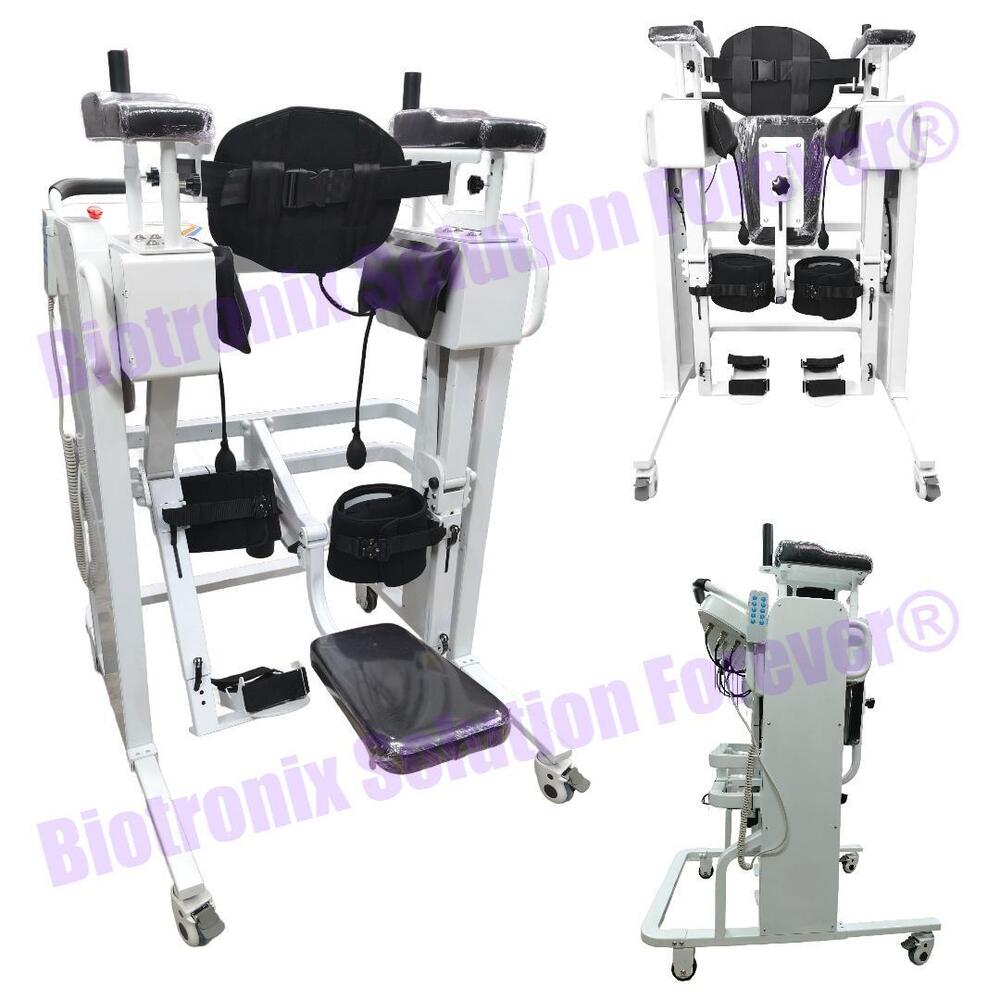
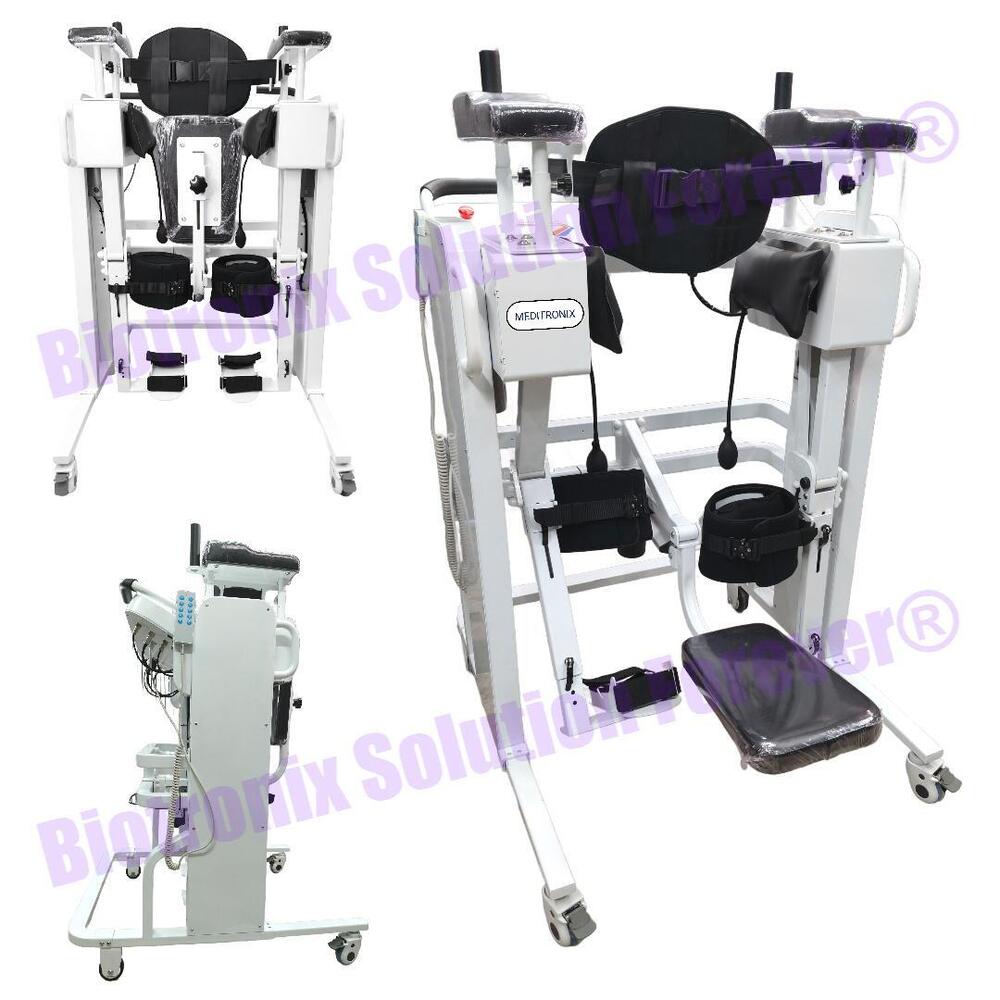
Wearable exoskeleton devices are enhancing assisted mobility training by enabling safe, controlled, and progressive movement support for patients with neurological and orthopaedic impairments. These wearable robotic systems are designed to assist weakened muscles, stabilise joints, and guide correct gait patterns during rehabilitation. By integrating intelligent sensors, adaptive control algorithms, and clinician-guided therapy protocols, wearable exoskeleton devices support early mobilisation, improve walking confidence, and help patients transition from assisted movement to functional mobility in clinical rehabilitation settings.

Key Features

  • Wearable medical exoskeleton designed for assisted mobility training

  • Adaptive robotic assistance based on patient strength, balance, and motor control

  • Multi-joint support for hips, knees, and ankles to ensure a stable and coordinated gait

  • Real-time sensor-based control for smooth, accurate, and repeatable movement

  • Adjustable assistance levels for early-stage to progressive mobility training

  • Therapist-controlled interface for customised assisted walking programs

  • Advanced safety systems, including emergency stop and torque limitation

  • Continuous performance monitoring for objective mobility assessment

Applications

  • Stroke rehabilitation for assisted walking and gait re-education

  • Spinal cord injury rehabilitation for supported standing and mobility training

  • Neurological rehabilitation for Parkinsonas disease, multiple sclerosis, and traumatic brain injury

  • Orthopaedic rehabilitation following lower limb surgery or injury

  • Post-surgical rehabilitation for early assisted mobilisation

  • Gait training, balance improvement, and fall-prevention programs

Benefits

  • Enables safe assisted mobility for patients with limited motor control

  • Improves gait stability, balance, and weight-bearing confidence

  • Promotes neuroplasticity through repetitive, task-specific mobility training

  • Reduces risk of falls and improper movement patterns

  • Provides objective, data-driven tracking of mobility progress

  • Reduces physical strain and workload for physiotherapists

  • Increases patient confidence, independence, and therapy participation

  • Supports gradual, consistent, and functional mobility recovery

Technical Specifications

  • System type: Wearable medical rehabilitation exoskeleton

  • User weight range: Approximately 40a120 kg

  • User height range: Approximately 150a195 cm

  • Assisted joints: Hip (2 degrees of freedom), Knee (1 degree of freedom), Ankle (1 degree of freedom per side)

  • Actuation system: High-torque brushless DC motors with integrated torque sensors

  • Control system: Intelligent adaptive control with real-time feedback algorithms

  • Power supply: Rechargeable lithium-ion battery pack

  • Battery backup: Approximately 3a5 hours of continuous operation

  • Charging time: Approximately 2a3 hours

  • Training modes: Passive, assisted, active-assist, adaptive

  • Sensor system: IMU sensors, joint encoders, force and torque sensors

  • Safety features: Emergency stop button, torque limiters, mechanical braking system

  • Connectivity: Bluetooth, Wi-Fi, USB data export

  • Compliance: Medical device certifications (model dependent)

  • Operating temperature: 10AC to 40AC

  • Storage temperature: a20AC to 60AC


wearable exoskeleton device, assisted mobility training exoskeleton, wearable mobility rehabilitation system, robotic-assisted walking device, physiotherapy exoskeleton system, neurological mobility rehabilitation exoskeleton, orthopedic mobility training exoskeleton, robotic gait training device, assisted walking rehabilitation technology, advanced rehabilitation robotics, medical rehabilitation exoskeleton
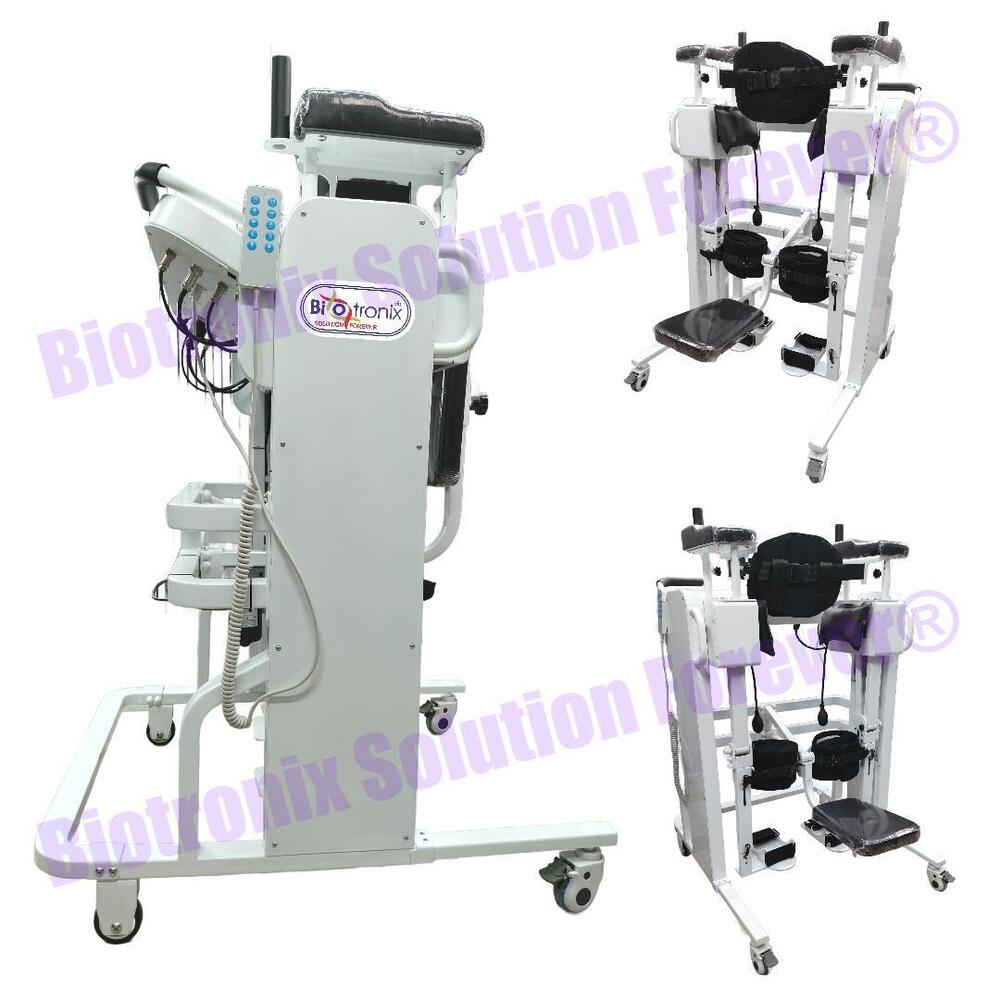
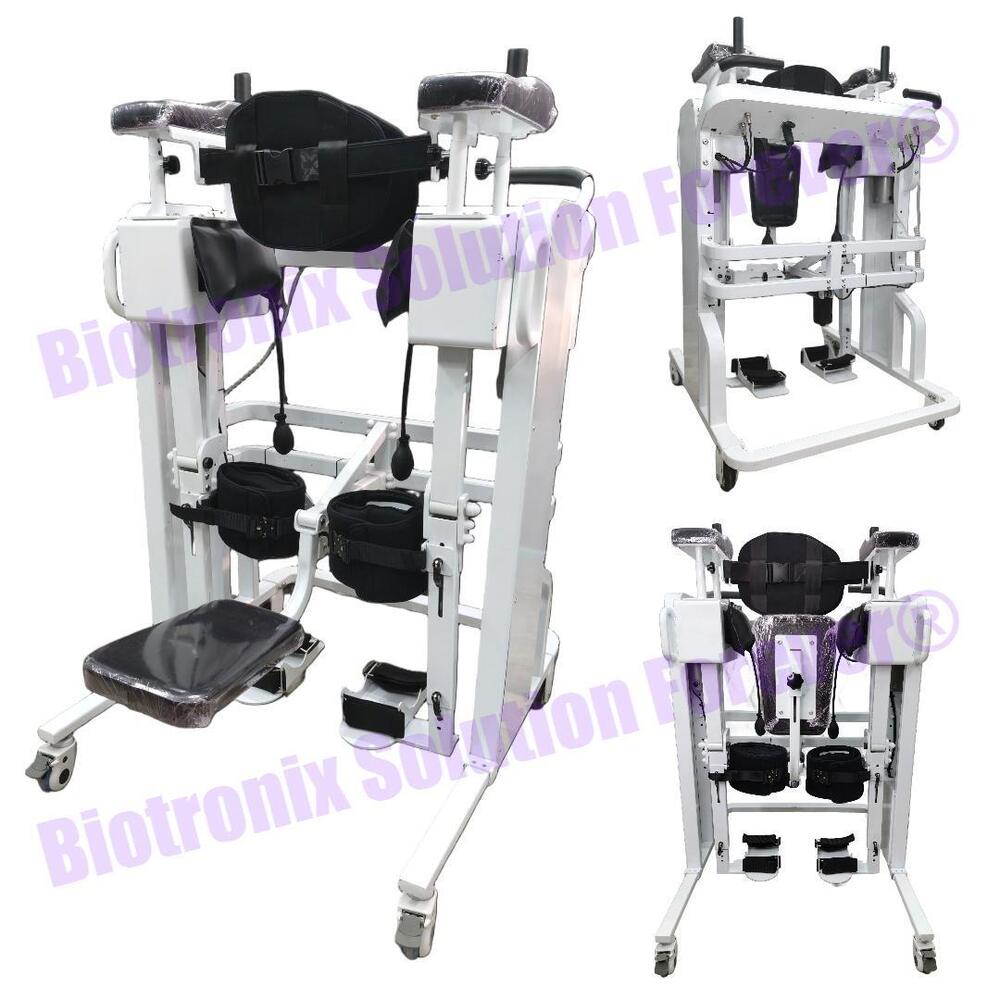
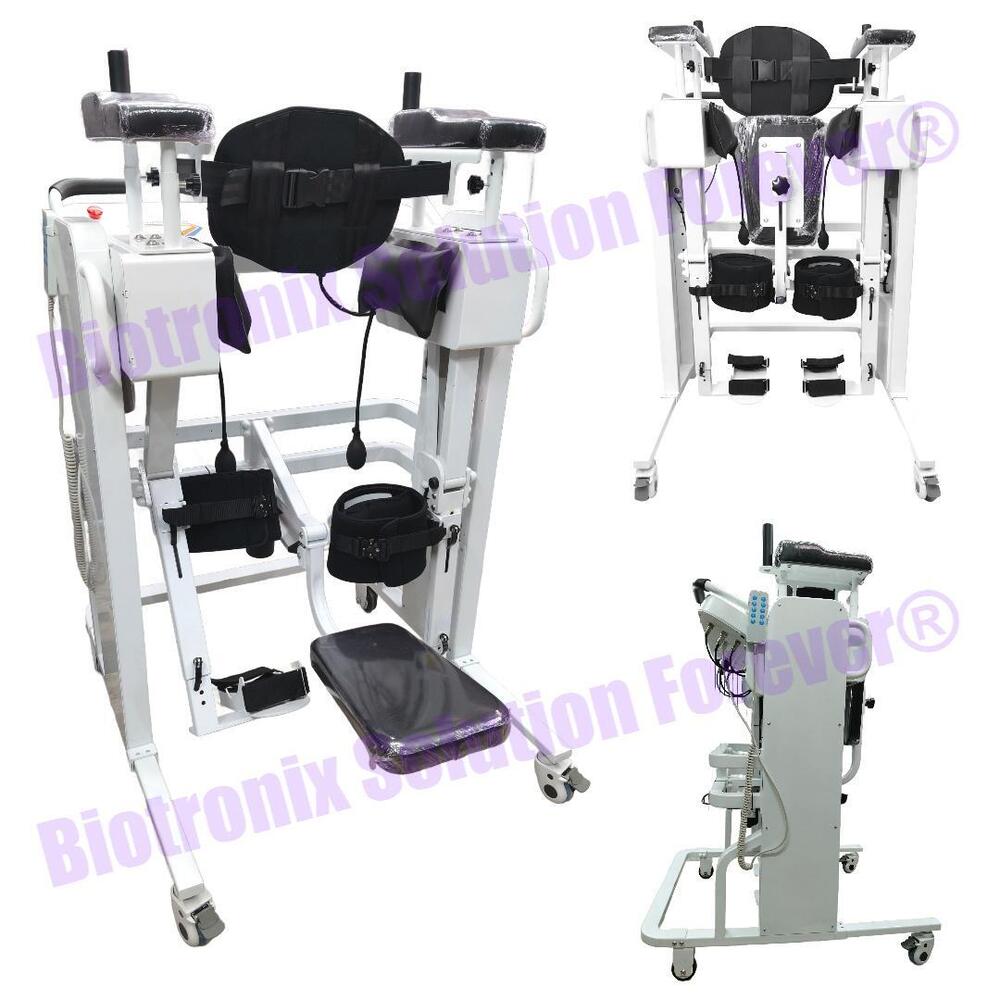
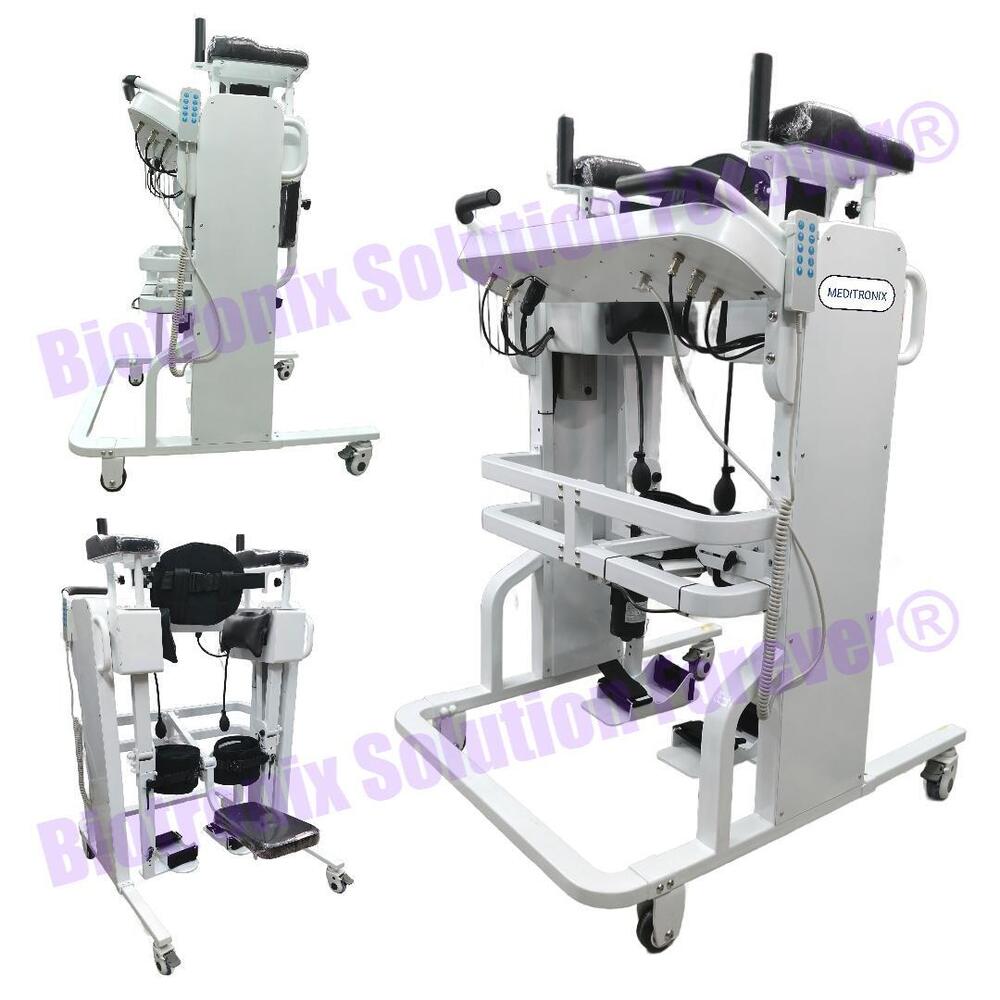
Innovative Joint Mobility Solutions

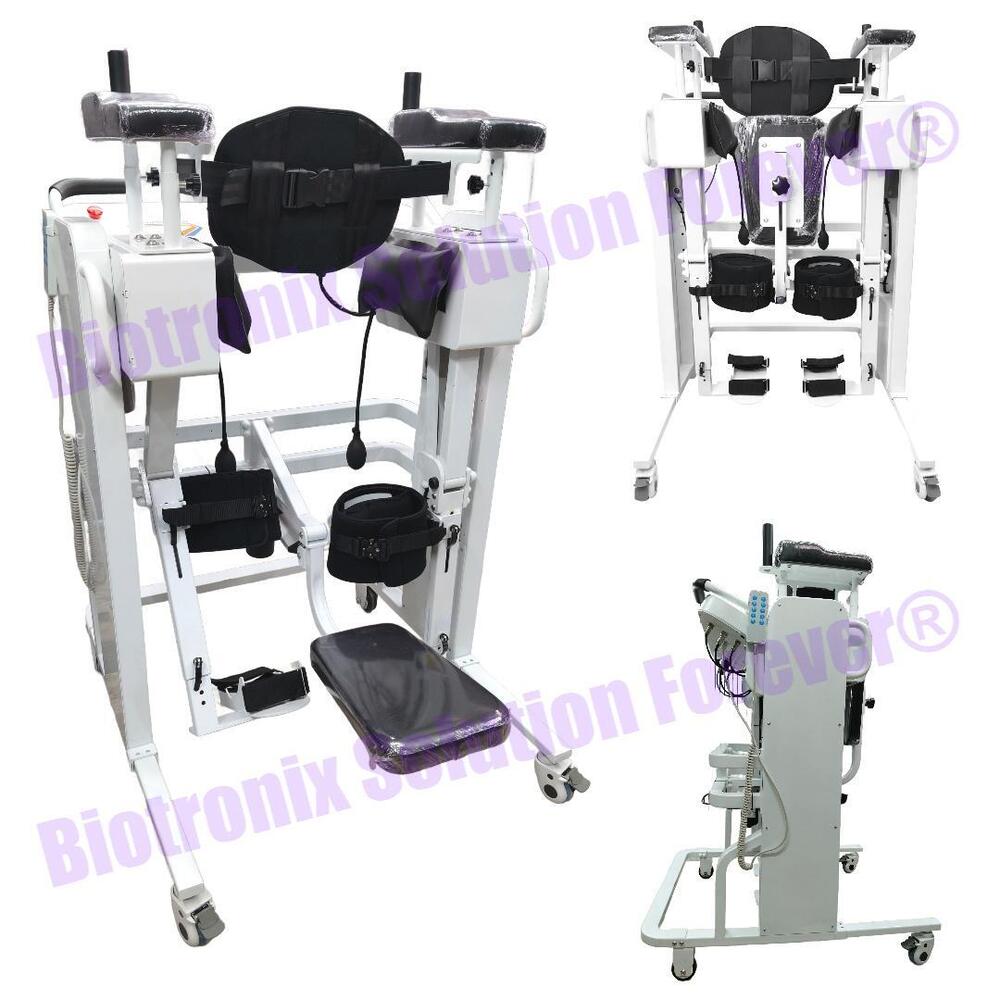
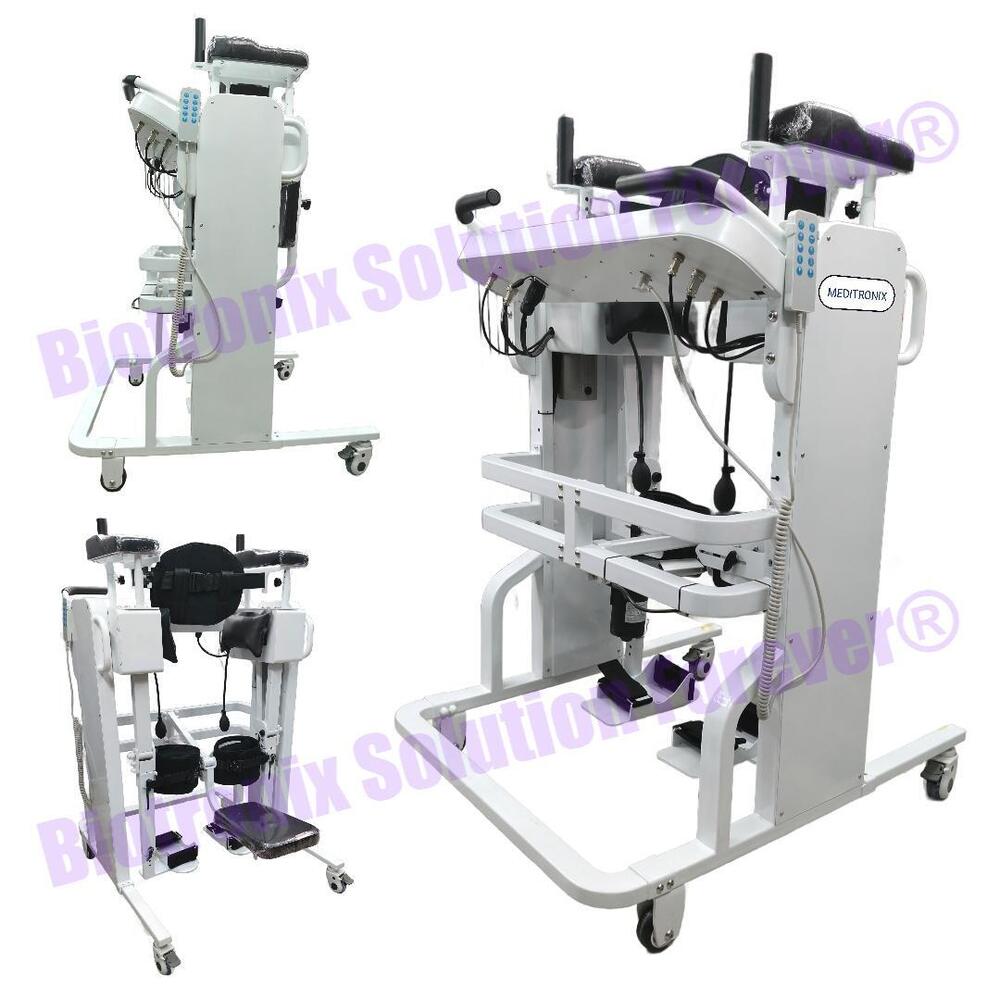
Harnessing the latest in medical exoskeleton technology, this device enables supervised rehabilitation of shoulders, cervical areas, back, and joints. Clinical therapists can monitor real-time progress, ensuring patient safety and comfort throughout the process. Supported by advanced robotics and digital systems, this exoskeleton offers precise mobility support and is tailored to diverse rehabilitation needs.

Precision and Adaptability for Every Patient

With hospital-grade accuracy and touch screen interfaces, these devices are engineered for reliability in clinical environments. Adjustable dimensions and a range of operation modes ensure comfort and adaptability for various age groups, including children and elders. The exoskeleton's plastic medical-grade material provides durability and hygienic operation, while its portability allows seamless integration into neuro and orthopedic clinics.


Smart Clinical Rehabilitation Technology

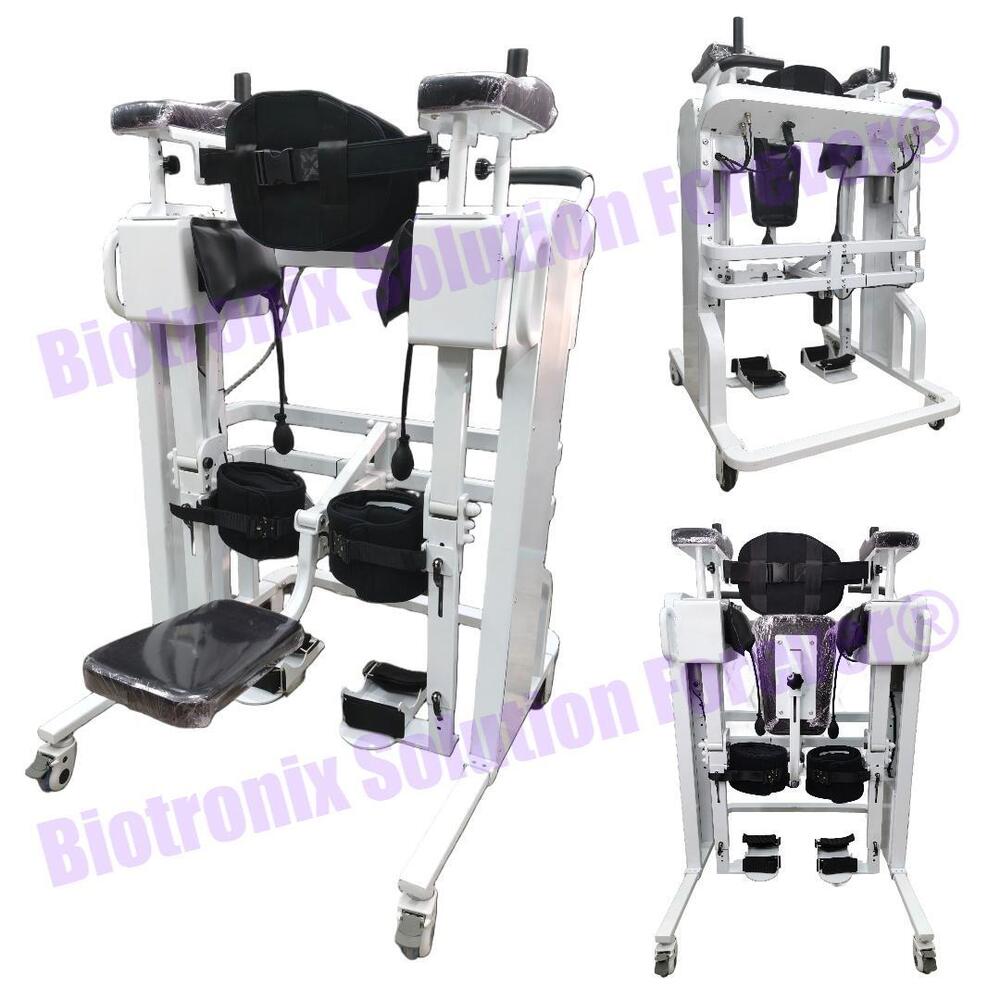
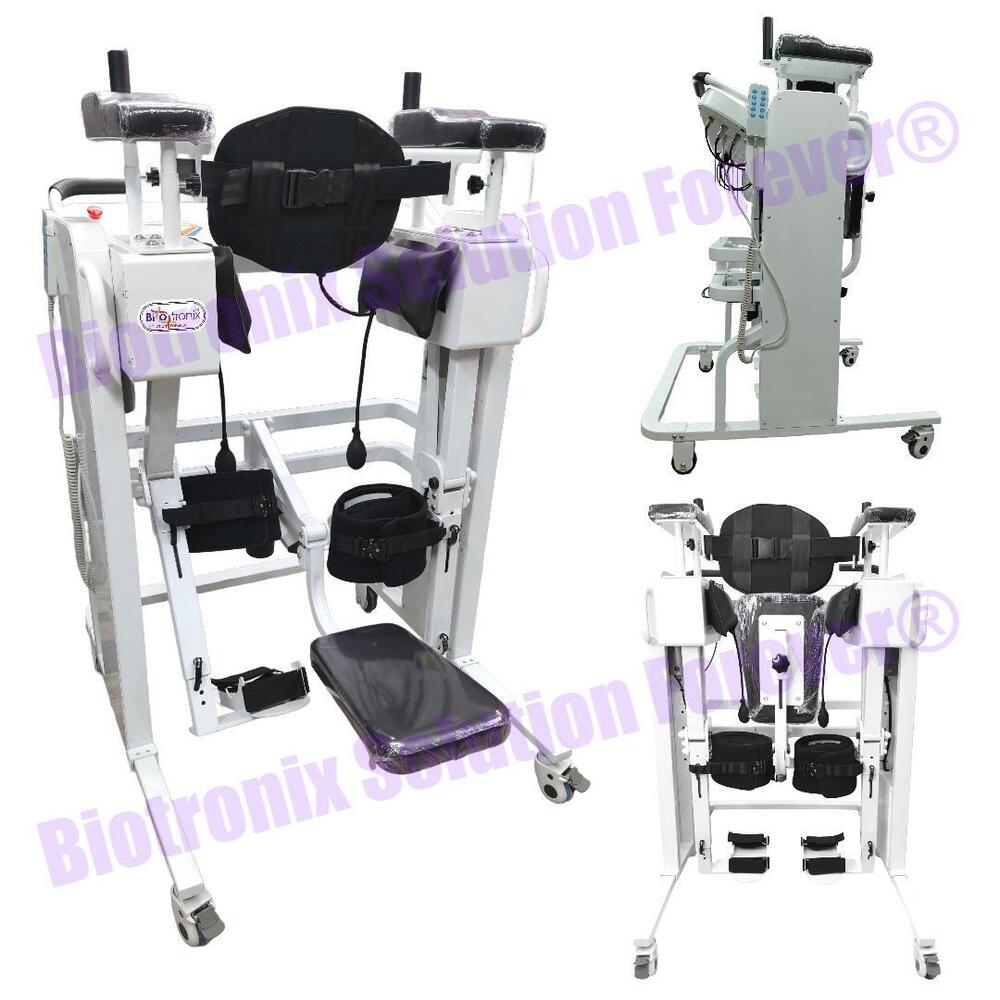
Designed for both inpatient and outpatient settings, the wearable exoskeleton maximizes therapy outcomes through real-time operation, low noise emissions, and efficient power consumption. The digital technology supports feedback-based training, allowing for measurable improvements in patient recovery and mobility. Its intuitive controls and robust medical build make it a premier choice for clinics and rehabilitation centers across India.
FAQ's of Wearable Exoskeleton Devices for Assisted Mobility Training:

Q: How does the wearable exoskeleton assist in clinical mobility training?
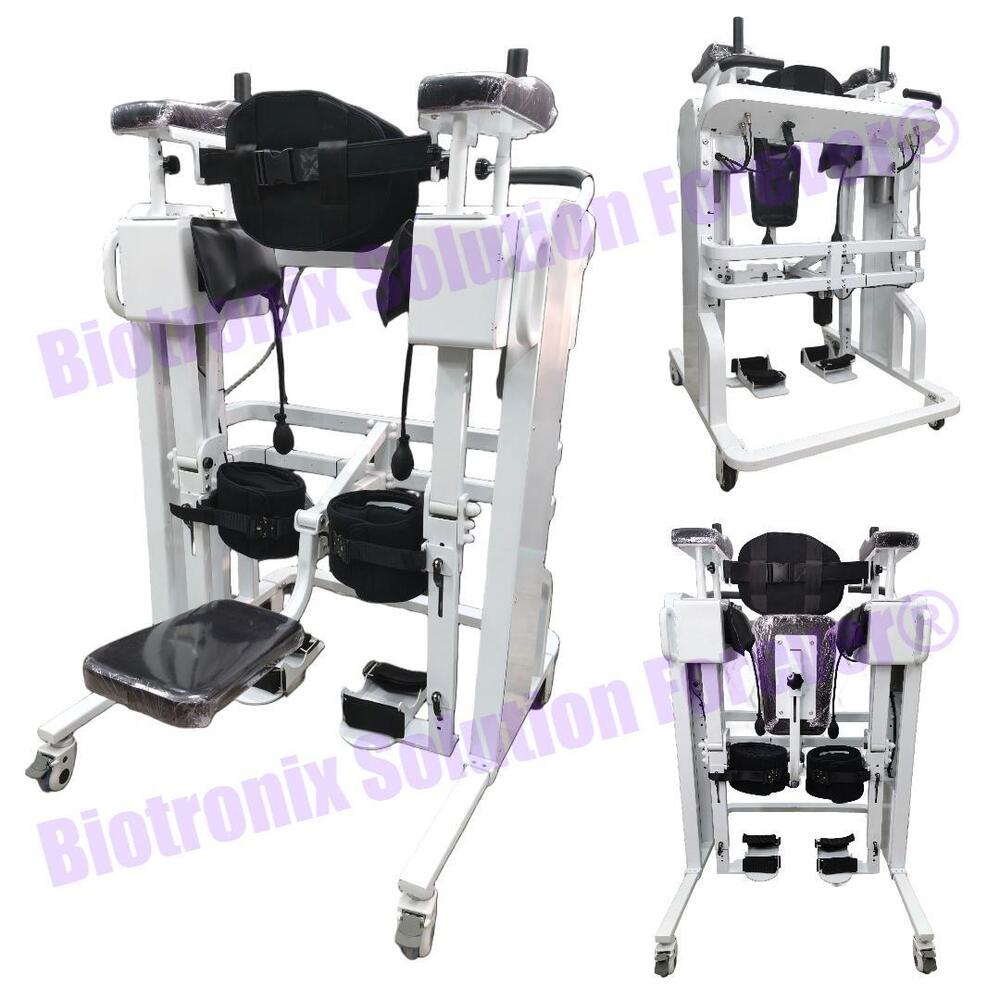
A: The exoskeleton provides robotic-assisted resistance and guidance for targeted joints and muscles. Through touch screen controls and real-time feedback, therapists can customise therapy intensity and track patient progress, enabling safe and effective rehabilitation for shoulders, back, cervical regions, and nerves.
Q: What is the recommended process for using the exoskeleton in rehabilitation?
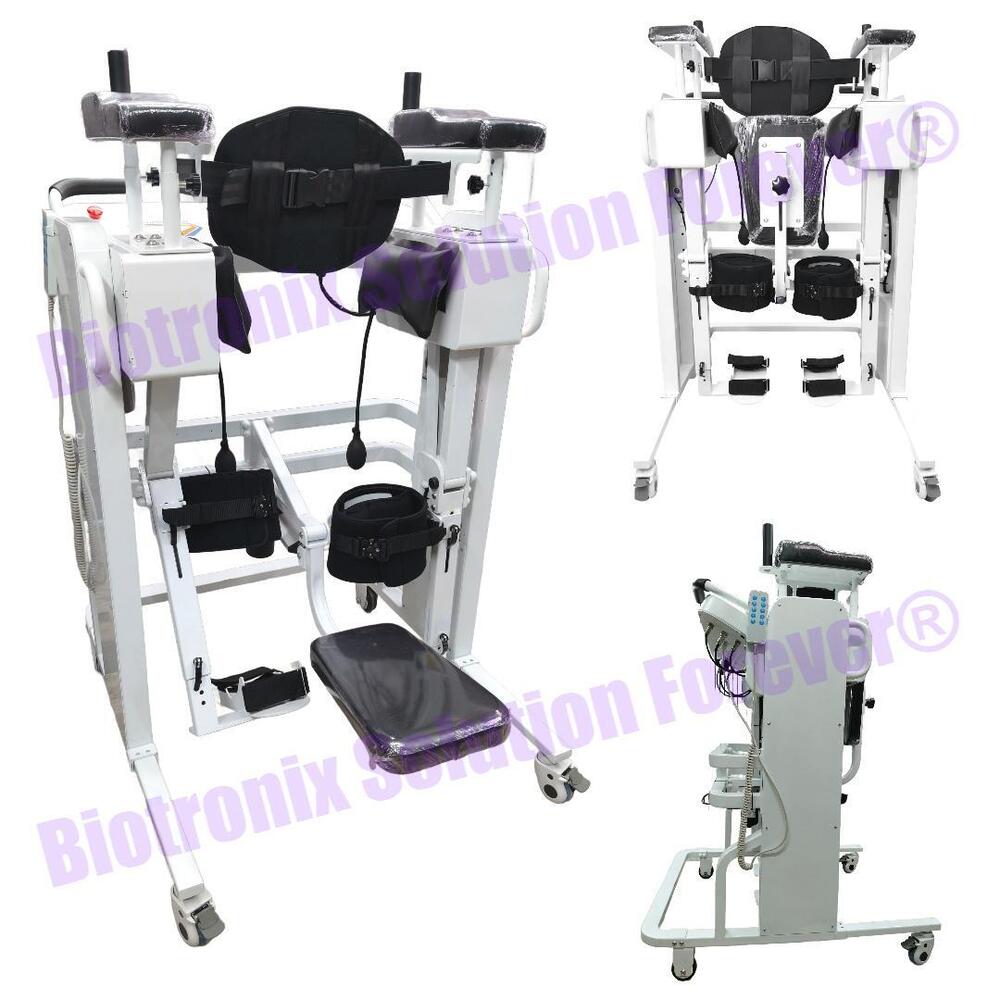
A: A clinician fits the exoskeleton to the patient, selecting the appropriate mode and settings via the digital interface. The device then delivers guided movements, supporting joint mobility and muscle activation. Progress is monitored on the display, ensuring optimal treatment tailored to individual therapy plans.
Q: When is it most beneficial to use a clinical exoskeleton device?
A: These devices are most beneficial during advanced stages of rehabilitation for patients recovering from strokes, injuries, or surgeries affecting their mobility. Early and consistent use can expedite recovery, offering structured physiotherapy under expert supervision in a clinical setting.

Q: Where can these exoskeletons be integrated for patient care?

A: Wearable exoskeletons are designed for use in hospitals, physiotherapy clinics, and specialized rehabilitation centers. Their portable design and adjustable features make them suitable for inpatient, outpatient, and day-care facilities focused on restoring mobility and function.

Q: What are the main advantages of using this exoskeleton technology for robotic physiotherapy?

A: Key benefits include improved joint mobility, enhanced muscle strength, and faster recovery timelines. The device's precision controls, hospital-grade safety features, and ability to track real-time progress contribute to higher rehabilitation success rates and patient satisfaction.

Q: How safe and hygienic is the device during frequent clinical use?

A: The exoskeleton is constructed from durable medical-grade plastic and is easy to sanitize between sessions. Its hospital-grade systems and user-friendly operation limit the risk of misuse, ensuring both safety and hygiene in demanding clinical environments.

Q: Who can benefit from exoskeleton-assisted clinical therapy?

A: Exoskeleton-assisted therapy is suitable for people of all ages-including infants, children, adults, women, and elders-who require targeted support for neuro, orthopedic, or muscular rehabilitation. Therapists can customize treatments to meet each patient's unique mobility needs.

Tell us about your requirement
product

Price:

Quantity
Select Unit

  • 50
  • 100
  • 200
  • 250
  • 500
  • 1000+
Additional detail
Mobile number

Email

More Products in Physiotherapy Equipment Category

Exoskeleton-Assisted Rehabilitation for Controlled Motor Practice

Exoskeleton-Assisted Rehabilitation for Controlled Motor Practice

Price 20000 INR / Piece

Minimum Order Quantity : 1 Piece

Suitable For Use : Intelligent wearable exoskeleton for therapy use

Attributes : Wearable robotic exoskeleton for therapy support

Color : Physiotherapy exoskeleton for clinical rehab

Shape : Smart exoskeleton for modern rehabilitation centers

PEMT Loop Therapy Device for Pain Relief

PEMT Loop Therapy Device for Pain Relief

Price 20000 INR / Piece

Minimum Order Quantity : 1 Piece

Suitable For Use : Hospital Physiotherapy Device

Attributes : Professional PEMT Therapy

Color : MultiPulse Frequency Therapy

Shape : Physical Therapy Equipment

Smart Controlled Focus Shockwave Device for Physiotherapy and Athletes

Smart Controlled Focus Shockwave Device for Physiotherapy and Athletes

Price 10000 INR / Piece

Minimum Order Quantity : 1 Piece

Suitable For Use : adaptive focus shockwave treatment unit

Attributes : clinical grade smart shockwave unit

Color : sports injury prevention shockwave unit

Shape : athletic conditioning shockwave therapy device

Class 4 Laser Therapy Equipment for Sports Injury Recovery

Class 4 Laser Therapy Equipment for Sports Injury Recovery

Price 5000 INR / Piece

Minimum Order Quantity : 1 Piece

Suitable For Use : Economical Laser Pain Relief Device

Attributes : Low Cost Physiotherapy Laser Device

Color : Budget Medical Laser Therapy System

Shape : Affordable Therapeutic Laser Machine