UniGym Smart Rehab Trainer with Active, Passive, Resistive & Assistive Modes About
Biotronix UniGym Smart Rehab Trainer with Active Passive Resistive Assistive Modes
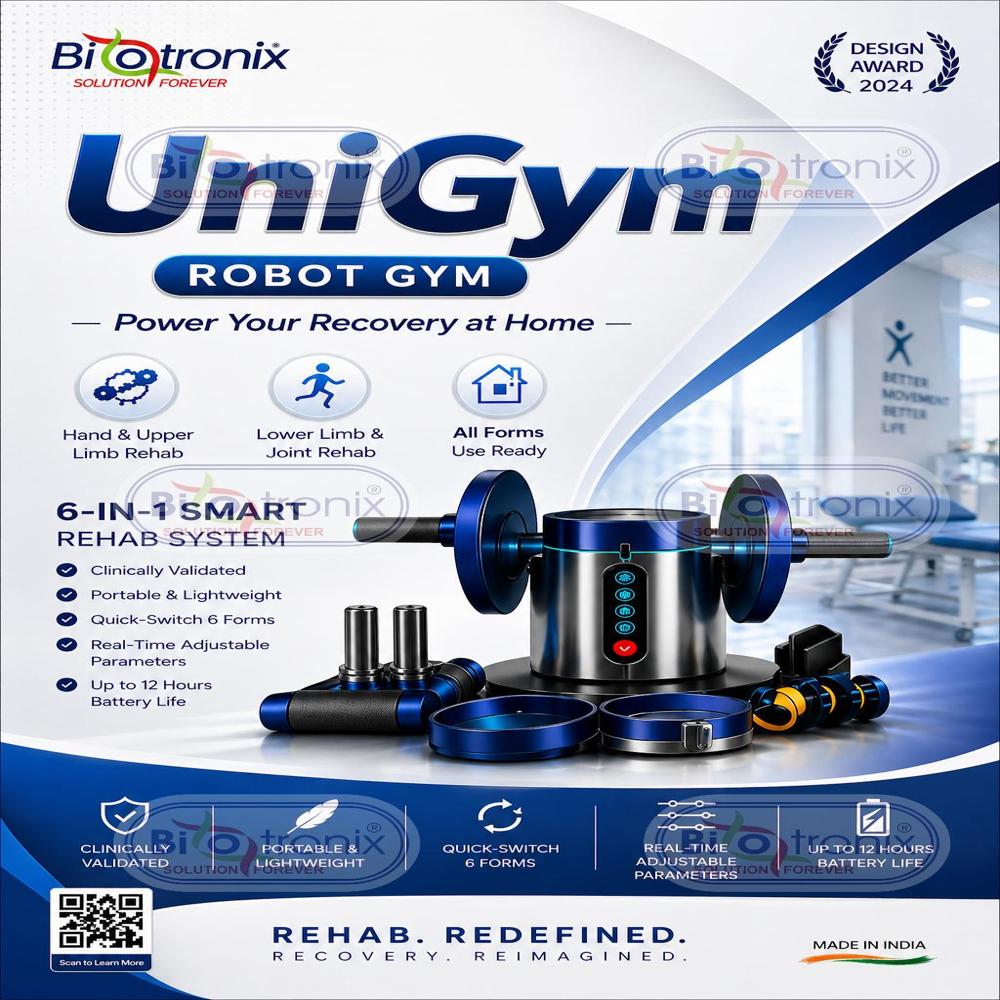
The UniGym Smart Rehab Trainer is designed to make rehabilitation simple safe and effective With Active Passive Resistive and Assistive training modes it adapts to every stage of recovery from early mobility to full strength rebuilding
Built for clinics physiotherapy centers and home users UniGym combines advanced technology with userfriendly design Patients stay motivated through appbased interactive training while therapists save time with smooth guided movement control
Key Highlights
4in1 Training Modes Active Passive Resistive Assistive
Smart Controls Easytouse touch panel with force control interaction
Engaging Experience Appbased gaming keeps sessions interactive
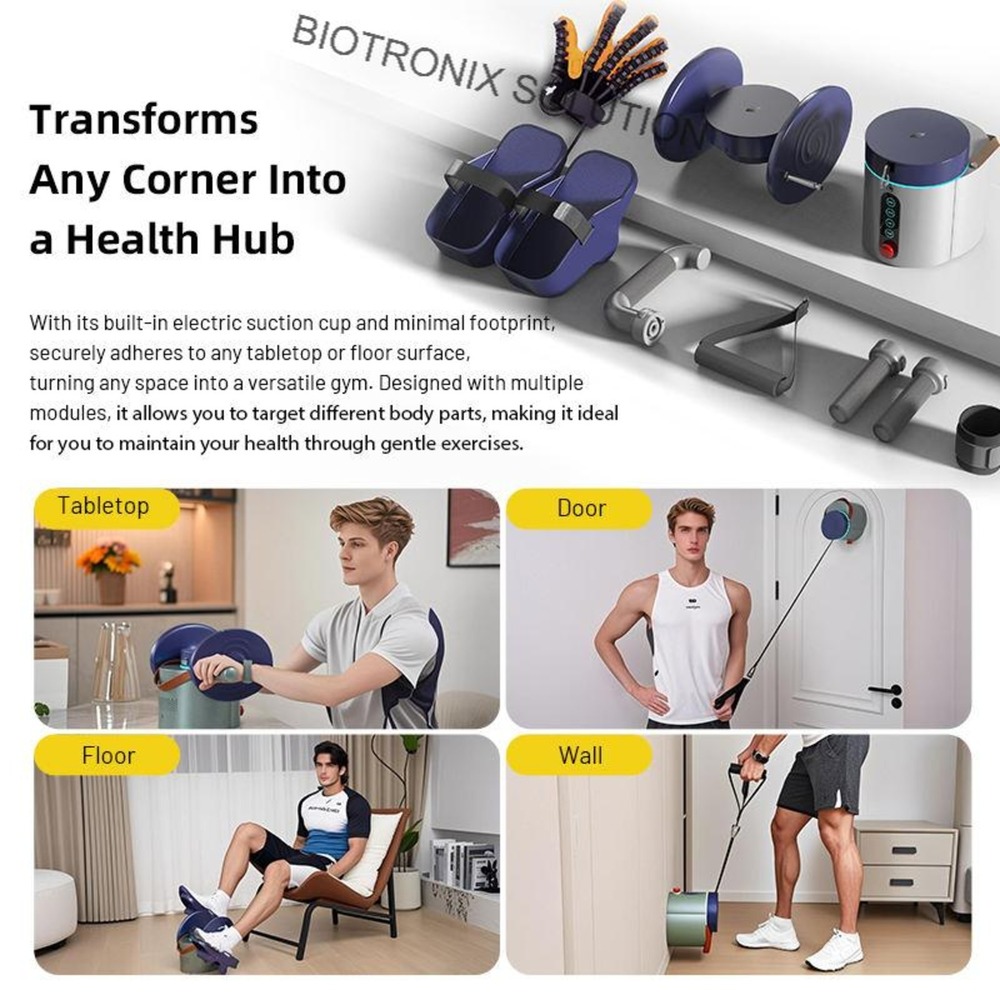
Safe Stable Builtin safety protection with electric suction cup
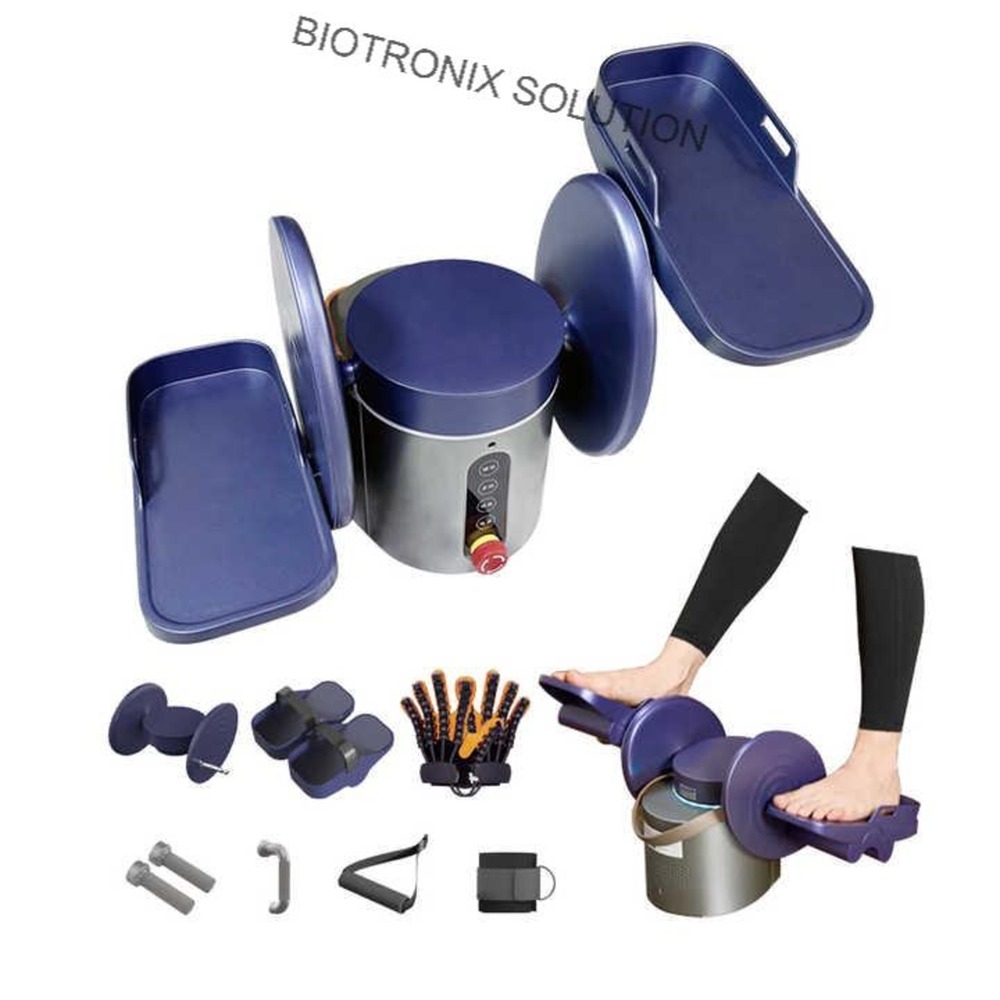
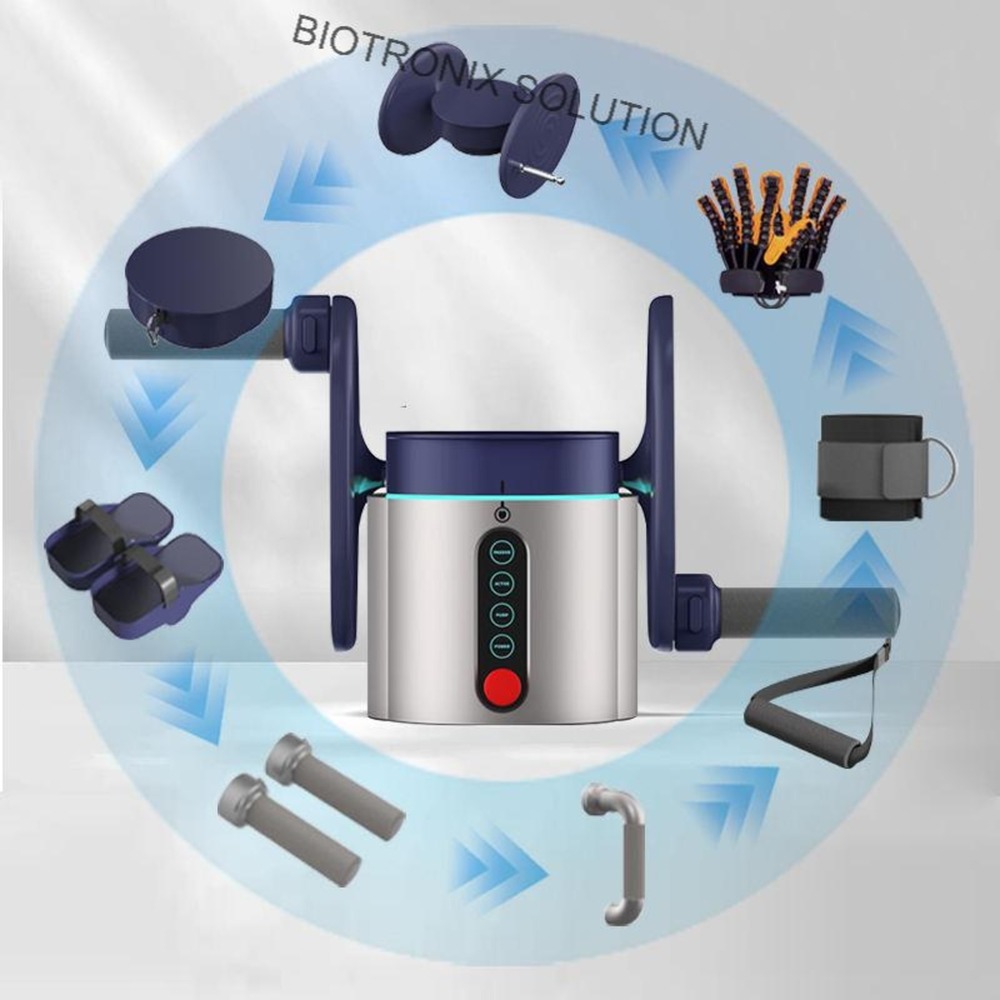
Adaptable Design Flexible accessory switching for different therapies
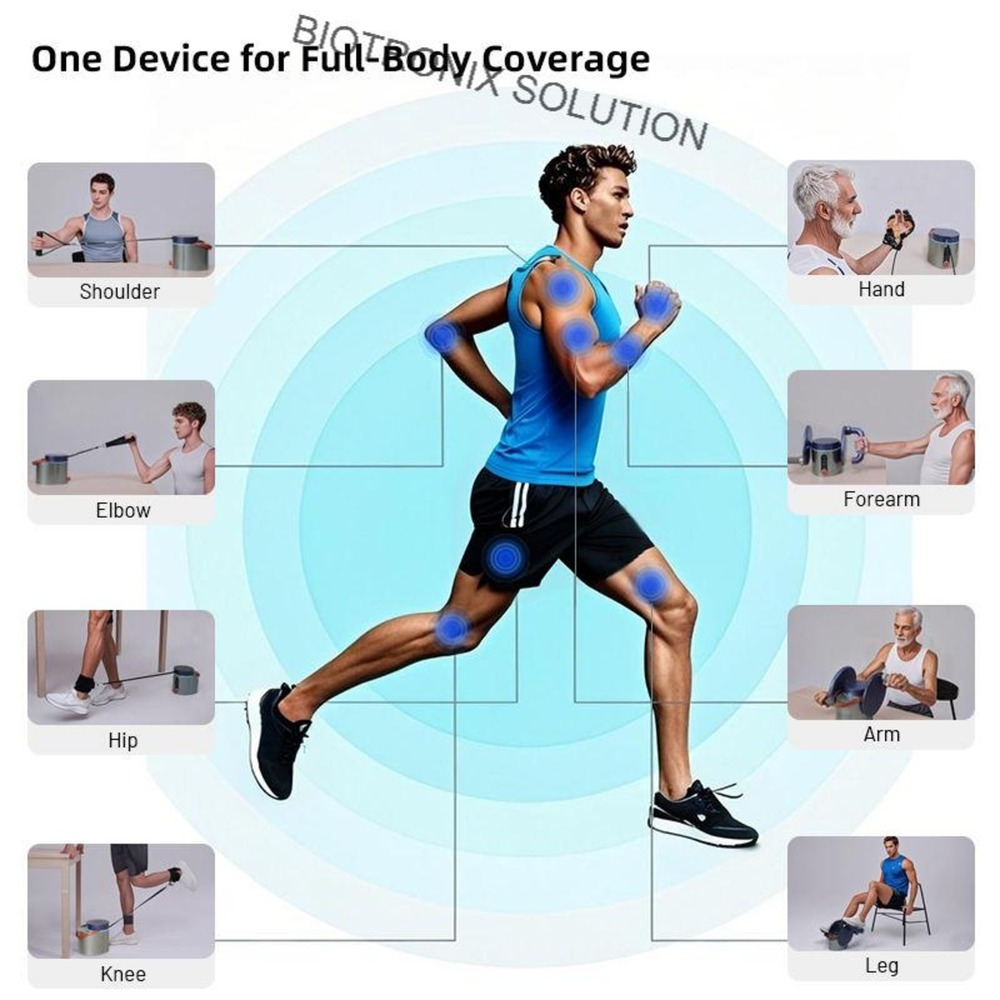
Clinical Versatility Suitable for neuro orthopedic sports injury postsurgery rehab
In Simple Words
UniGym is like a complete rehab partner in one device It supports patients when they need assistance challenges them when they are ready to build strength and makes the whole journey more engaging and effective
Advanced Rehabilitation TechnologyUniGym employs precise digital controls and smart technology for tailored rehabilitation, enabling accurate progress tracking and targeted therapy for various conditions. Its interactive feedback and adaptive features ensure suitable treatment intensity for patients.
Multifunctional Recovery SystemDesigned as an all-in-one exercise and therapy platform, UniGym offers flexibility with active, passive, resistive, and assistive training modes. Its versatile design caters to recovery needs for muscles, joints, nerves, and orthopedic rehabilitation.
Easy Storage and PortabilityMade from durable plastic and lightweight materials, UniGym is both portable and easy to store. Its compact shape fits home gyms or clinics, while the intuitive interface streamlines operation for therapists and patients alike.
FAQs of UniGym Smart Rehab Trainer with Active, Passive, Resistive & Assistive Modes:
Q: How does the UniGym Smart Rehab Trainer enhance rehabilitation outcomes?
A: By utilizing active, passive, resistive, and assistive modes, the UniGym device enables personalized therapy for specific conditions including muscles, joints, and nerves. Its digital technology and real-time sensory feedback accelerate recovery and rehabilitation effectiveness.
Q: What conditions can be treated using the UniGym rehabilitation system?
A: The UniGym Smart Rehab Trainer is recommended for shoulder, joint, cervical, back, and muscle issues, as well as nerve rehabilitation. It is suitable for orthopedic and neuro-rehabilitation, catering to a wide spectrum of physiotherapy requirements.
Q: When is the optimal time to use UniGym rehab equipment during the recovery process?
A: UniGym can be used throughout various stages of recoveryfrom postoperative rehabilitation to ongoing physical therapy for chronic conditions. Its adaptable modes support early mobilization and progressive muscle strengthening as advised by a healthcare professional.
Q: Where is UniGym suitable for installation or use?
A: The devices portable and flexible design allows installation in clinics, hospitals, therapy centers, or at home. It can also be wall-mounted, making it ideal for physiotherapists and rehabilitation specialists across all settings.
Q: What is the recommended process for operating UniGym Smart Rehab Trainer?
A: Operating UniGym involves selecting the appropriate modeactive, passive, resistive, or assistivevia its touch screen interface. Following recommended guidelines for session duration and intensity will ensure optimal therapy outcomes.
Q: Which benefits does UniGym offer compared to conventional rehabilitation equipment?
A: UniGym provides comprehensive therapy modes, real-time interactive feedback, modular portability, and precise digital control. Its versatility and high accuracy facilitate efficient, tailored rehabilitation for diverse patient needs.






 Send Inquiry
 Send Inquiry
 Send Inquiry
 Send SMS
 Call Me Free