

Call us now
07971190011
Call us now
07971190011
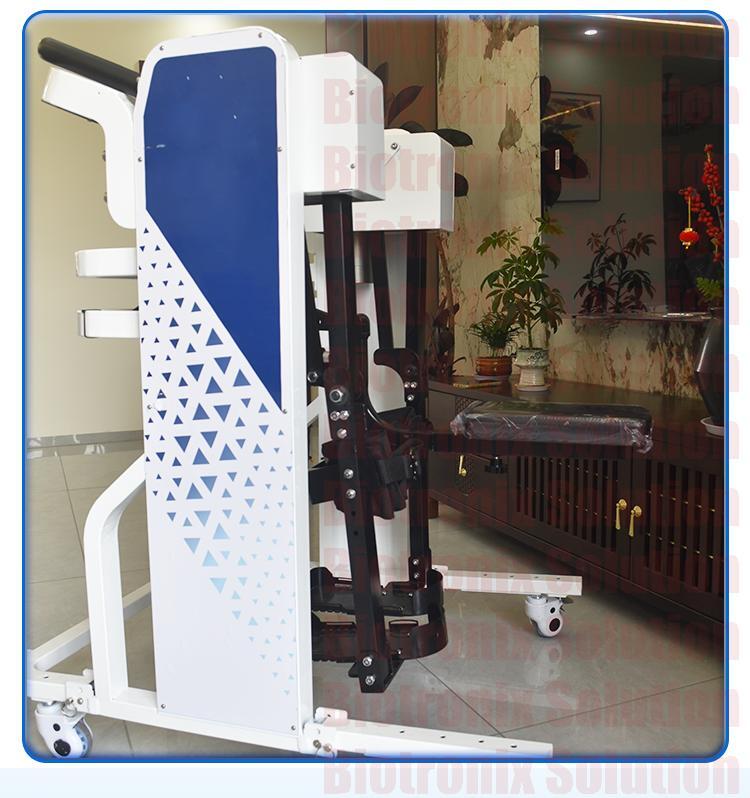
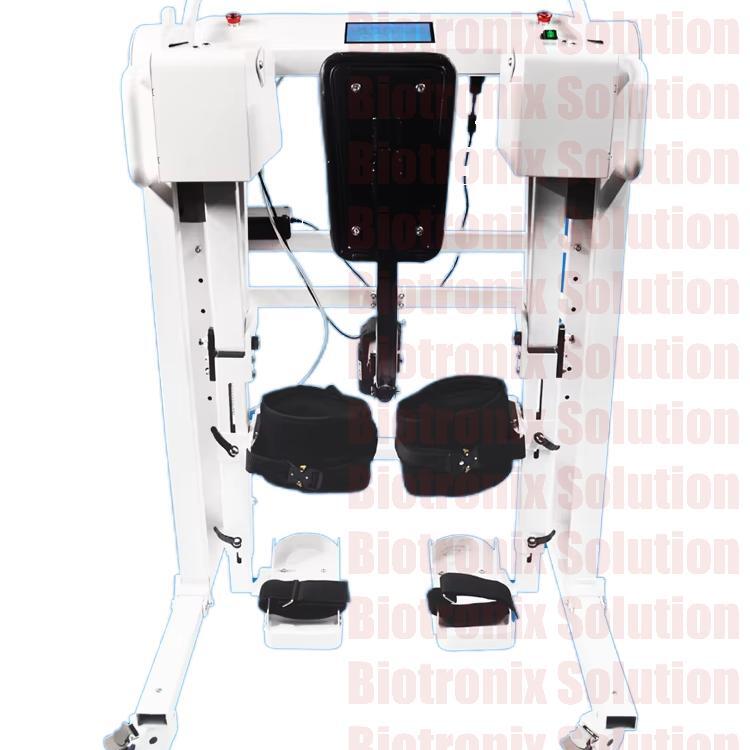
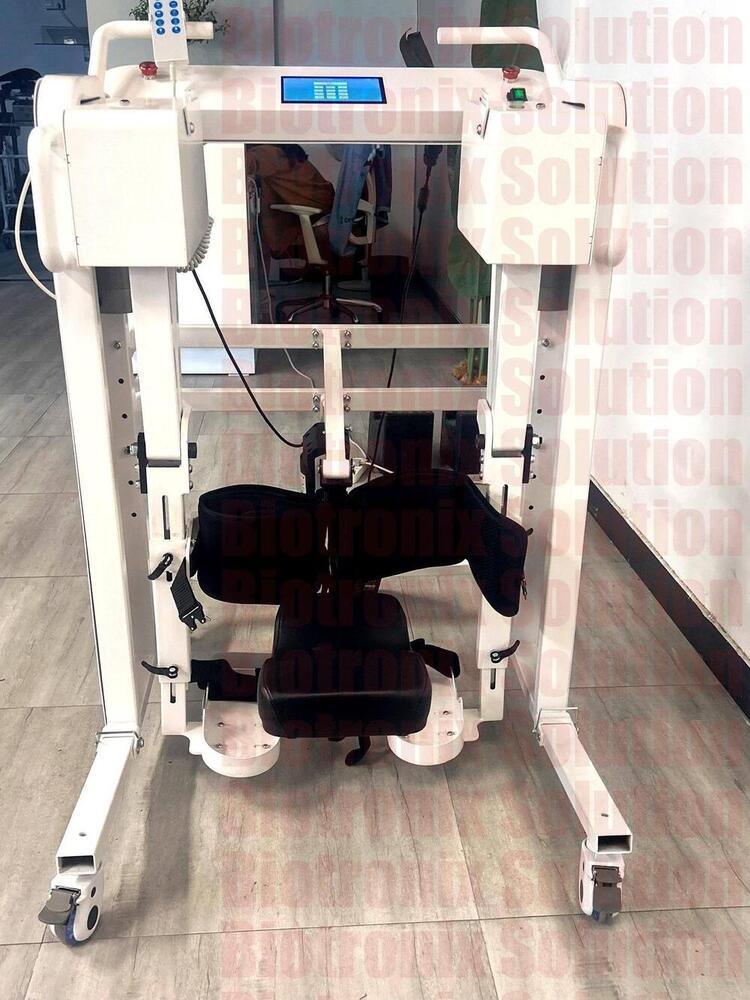
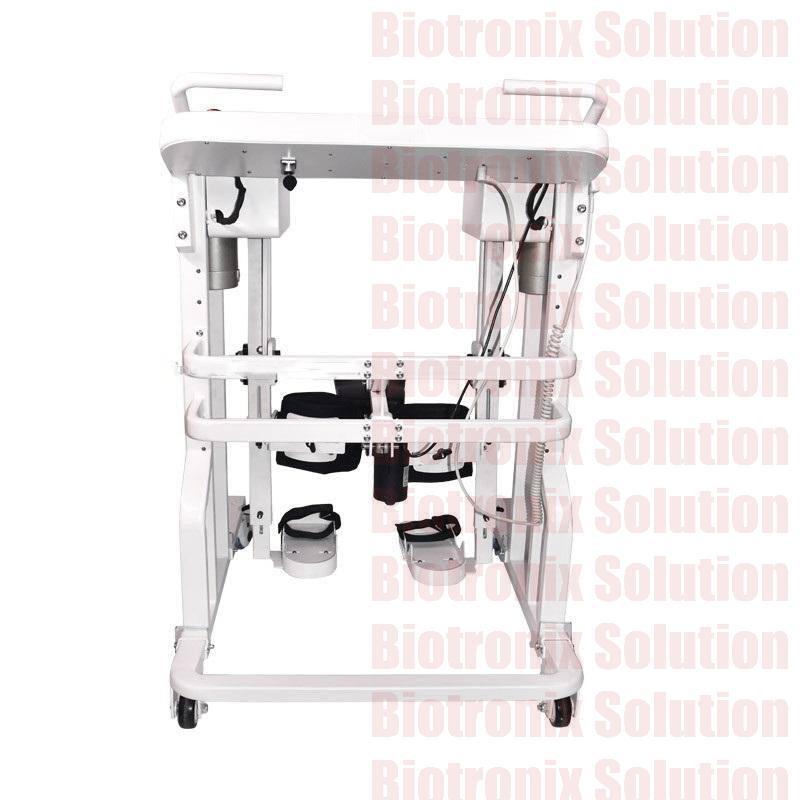
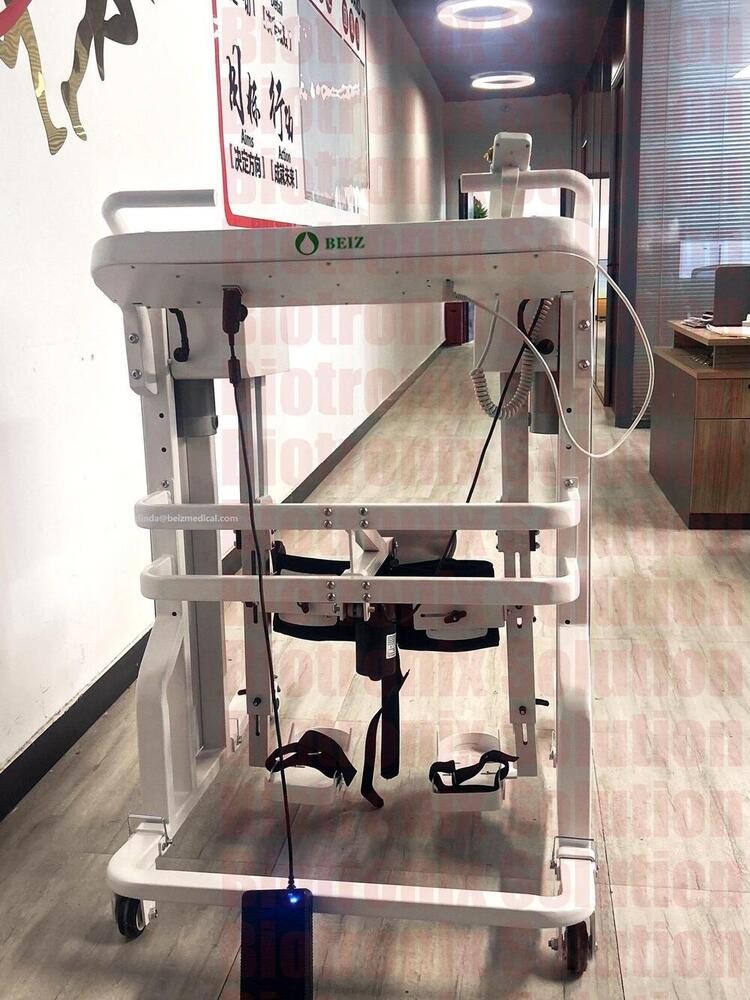
The Motorized Exoskeleton Rehabilitation Robot for Hospital and Clinical Use is an advanced robotic therapy system designed to assist patients in regaining mobility, coordination, and motor strength after injury, stroke, or neurological disorders.
This intelligent rehabilitation exoskeleton supports upper and lower limb movement through controlled robotic motion, providing safe, repeatable, and data-driven physiotherapy sessions. It allows therapists to customize therapy intensity and monitor patient progress in real-time, ensuring efficient and effective recovery outcomes.
Engineered with precision and comfort in mind, this motorized exoskeleton robot helps patients perform natural movement exercises, reduces therapist fatigue, and accelerates rehabilitation. It is ideal for hospitals, physiotherapy centers, and neuro-rehabilitation clinics seeking high-performance rehabilitation technology.
Motorized robotic system for assisted movement and gait training
Adjustable support levels for various rehabilitation stages
Smart sensors for motion, pressure, and position feedback
Real-time data monitoring and patient performance tracking
Promotes natural movement patterns and muscle re-education
Ergonomic, patient-friendly, and safe design
Suitable for both upper and lower limb therapy
Designed for hospital and clinical physiotherapy environments
Stroke and paralysis rehabilitation therapy
Neuro and spinal cord injury recovery
Post-surgical physical therapy
Muscle coordination and motor function training
Gait, balance, and mobility improvement
Clinical and hospital-based physiotherapy programs
Product Name: Motorized Exoskeleton Rehabilitation Robot for Hospital and Clinical Use
Type: Robotic rehabilitation exoskeleton
Usage/Application: Physiotherapy, neuro rehabilitation, gait training
Training Modes: Manual, automatic, and assisted
Target Area: Upper and lower limbs (optional models)
Control Interface: Intelligent digital touchscreen panel
Display: 10-inch LCD or touch display
Sensor Technology: Motion, angle, and pressure sensors
Motor Type: High-torque servo motors with adaptive resistance control
Power Supply: AC 220V 10%, 50Hz
Power Consumption: 500W
Range of Motion (ROM): Hip 120, Knee 135, Shoulder 120, Elbow 135
Material: Lightweight aluminum alloy with soft padded supports
Height Adjustment: 150190 cm
Weight Capacity: Up to 120 kg
Safety Features: Fall detection, emergency stop, overload protection
Connectivity: USB and Wi-Fi for data export and system updates
Data Recording: Gait analysis, performance monitoring, session tracking
Operating Noise: < 50 dB
Dimensions (Approx.): 1100 600 1700 mm
Weight: 4555 kg
Brand: Biotronix
Country of Origin: India / Imported Model Available


Price:

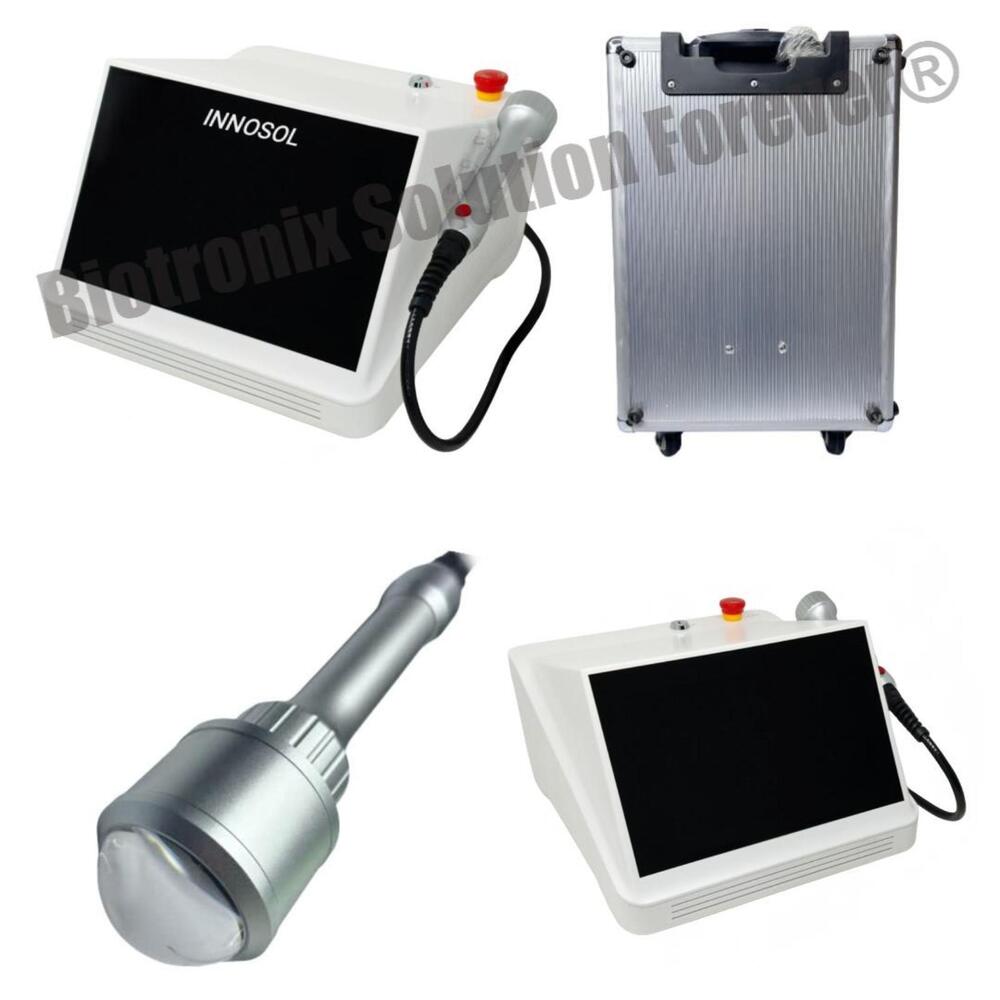
Price 300000.0 INR / Piece
Minimum Order Quantity : 1 Piece
Display : Touch Screen
Power Consumption : High intensity laser therapy system Watt (W)
Capacity : Laser therapy system for musculoskeletal rehabilitation Kg
Measuring Range : Advanced physiotherapy laser therapy machine class 4 Rankine

Price 20000.0 INR / Piece
Minimum Order Quantity : 1 Piece
Display : Other
Power Consumption : advanced electrical wrist cpm rehabilitation system Watt (W)
Capacity : adjustable speed wrist rehabilitation machine Kg
Measuring Range : premium electrical wrist cpm machine Rankine
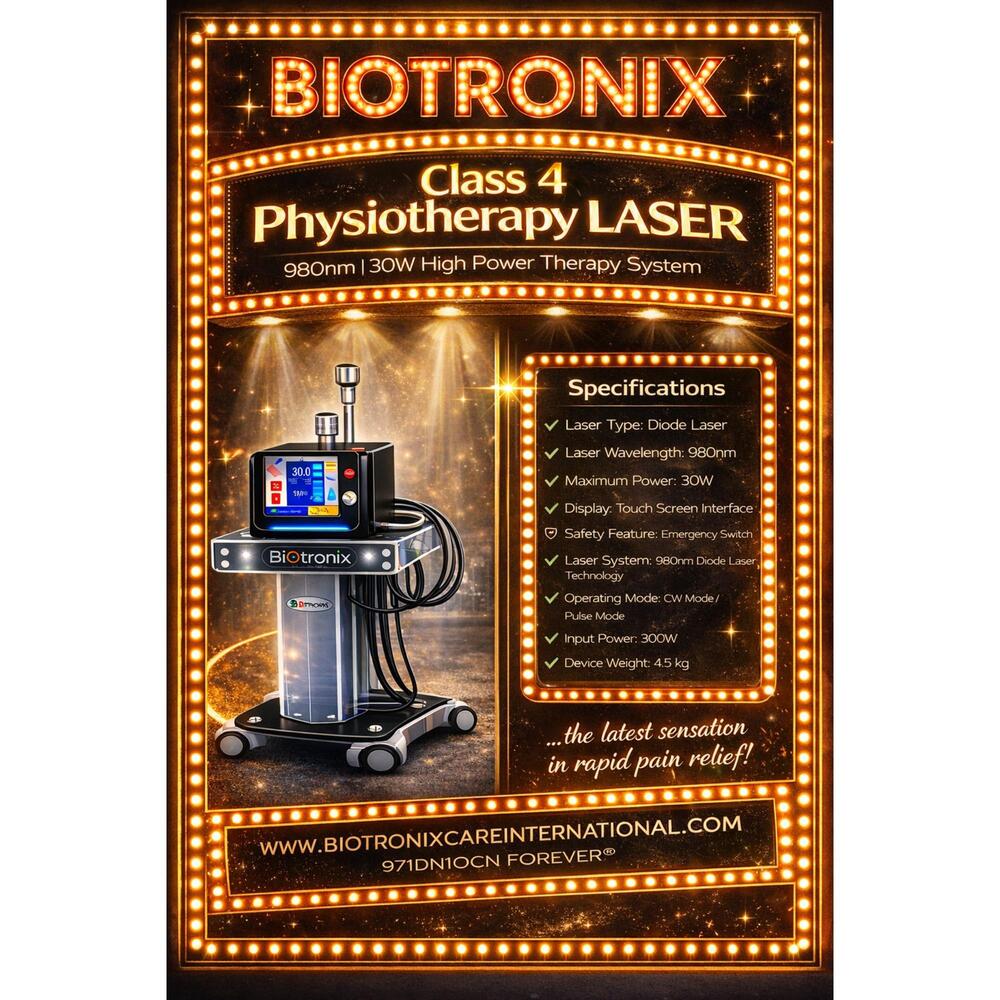
Price 300000.0 INR / Piece
Minimum Order Quantity : 1 Piece
Display : Touch Screen
Power Consumption : deep penetration laser therapy system Watt (W)
Capacity : professional physio laser equipment Kg
Measuring Range : class iv laser therapy machine Rankine
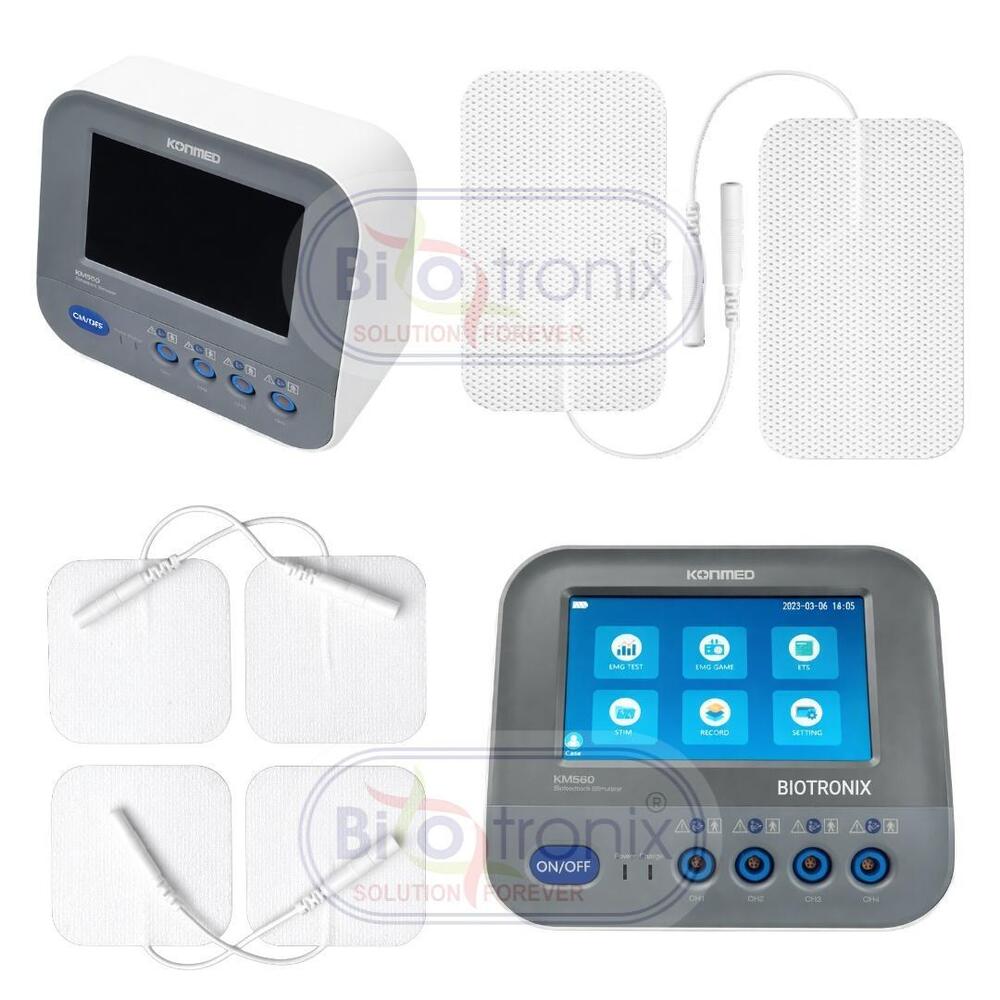
Price 200000.0 INR / Piece
Minimum Order Quantity : 1 Piece
Display : Touch Screen
Power Consumption : Power Supply: AC Power / Rechargeable Lithium Battery support Watt (W)
Capacity : ETS (EMGTriggered Stimulationautostimulation on threshold) Kg
Measuring Range : 01000 V (microvolts) Rankine

Thank You!
Thank You for your valuable time. We have received your details and will get back to you shortly.


For an immediate response, please call this
number 07971190011
Price:

 Send Inquiry
 Send Inquiry
 Send Inquiry
 Send SMS
 Call Me Free