

Call us now
07971190011
Call us now
07971190011
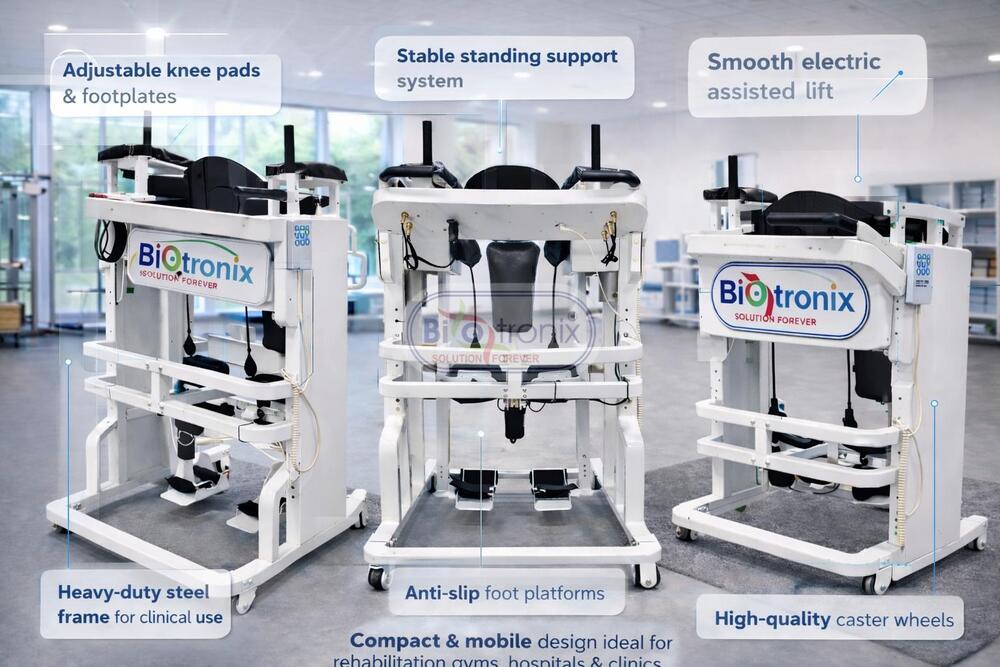
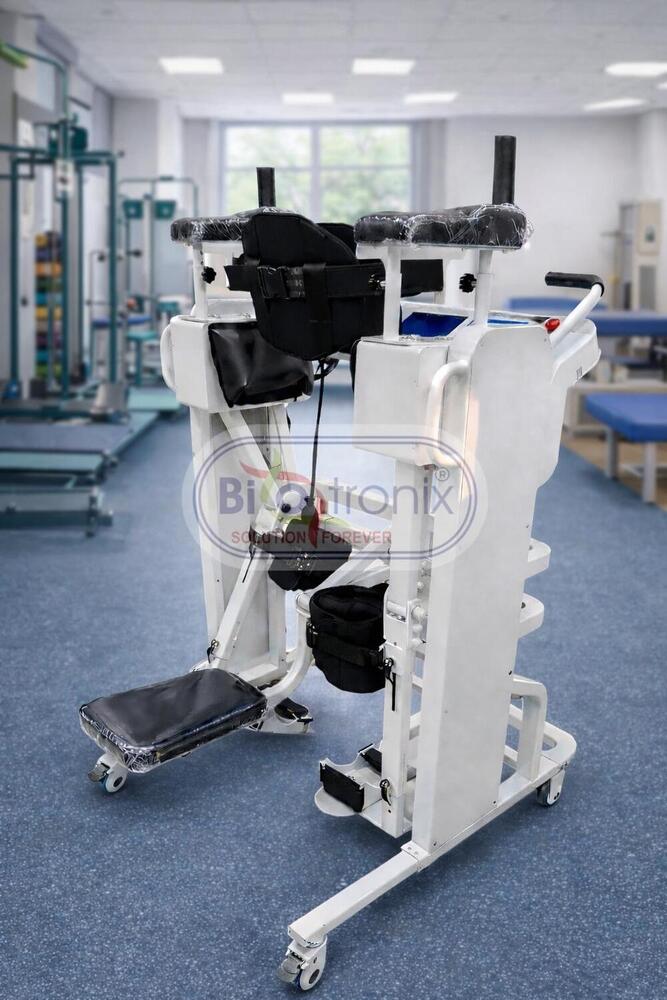
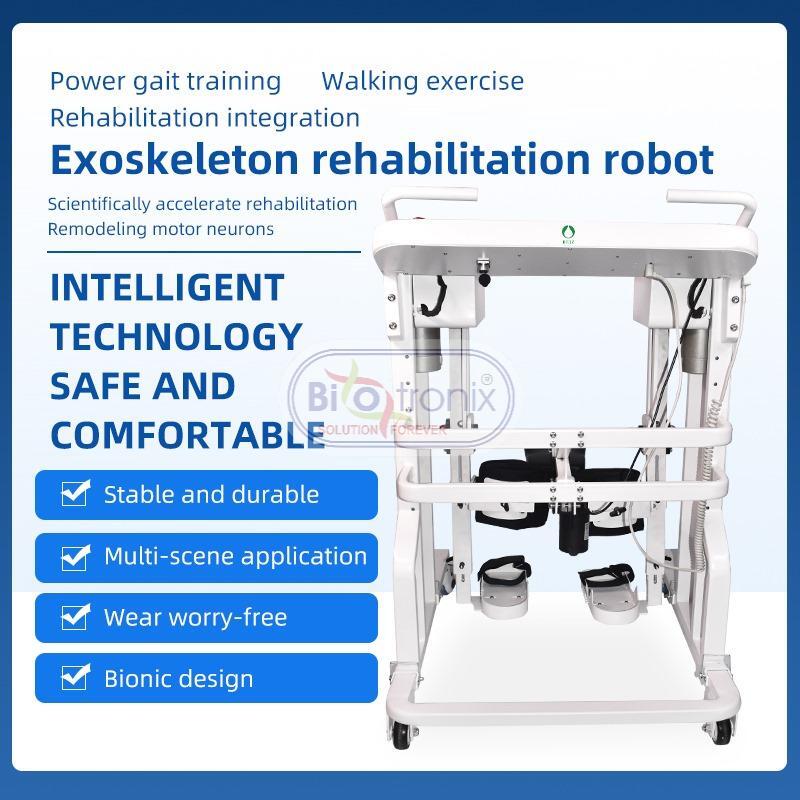
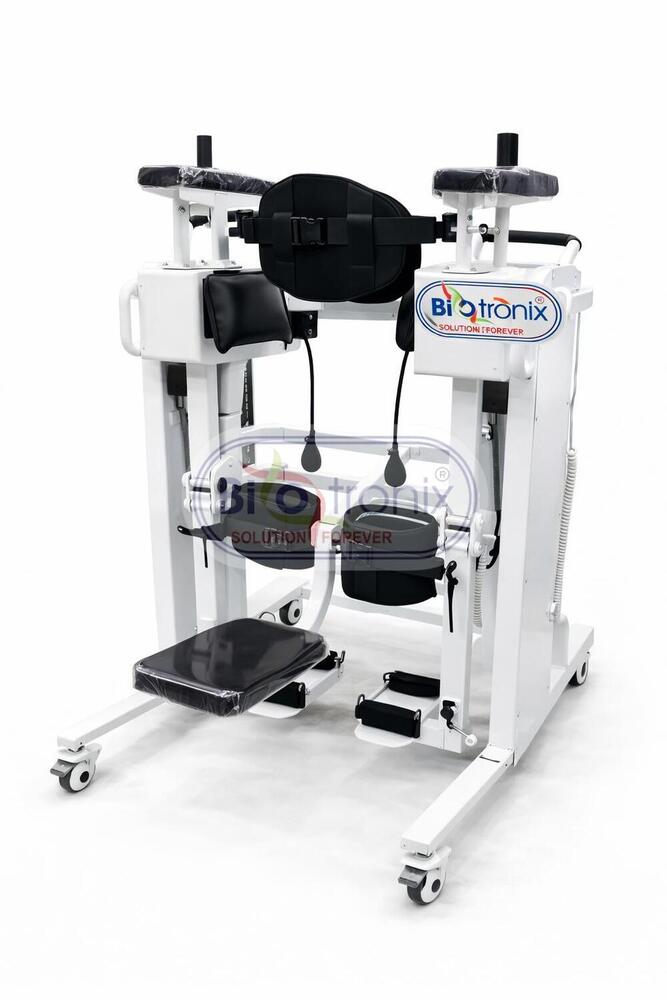
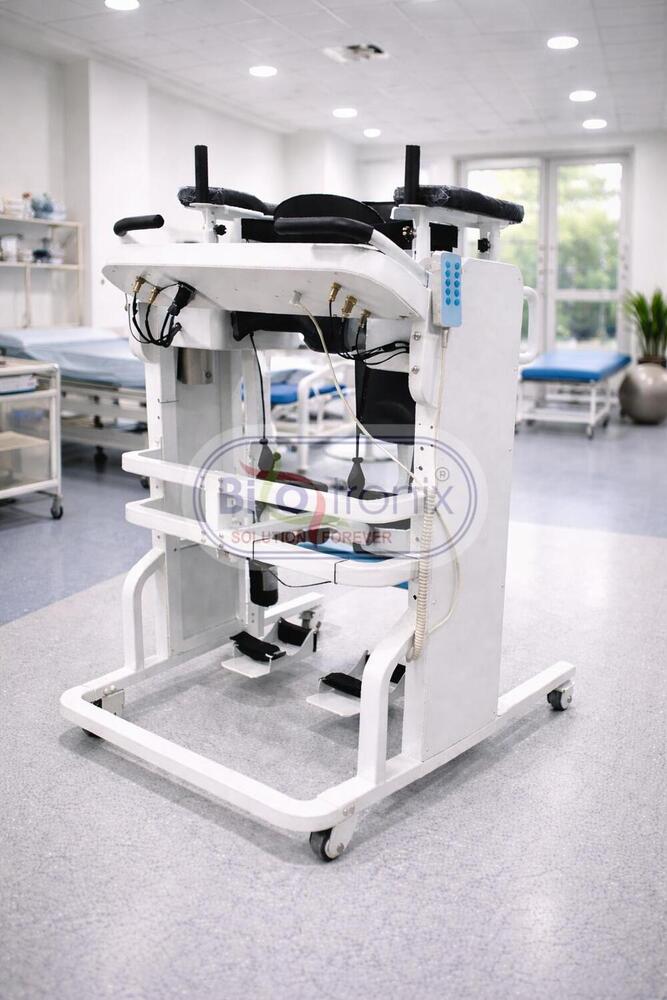
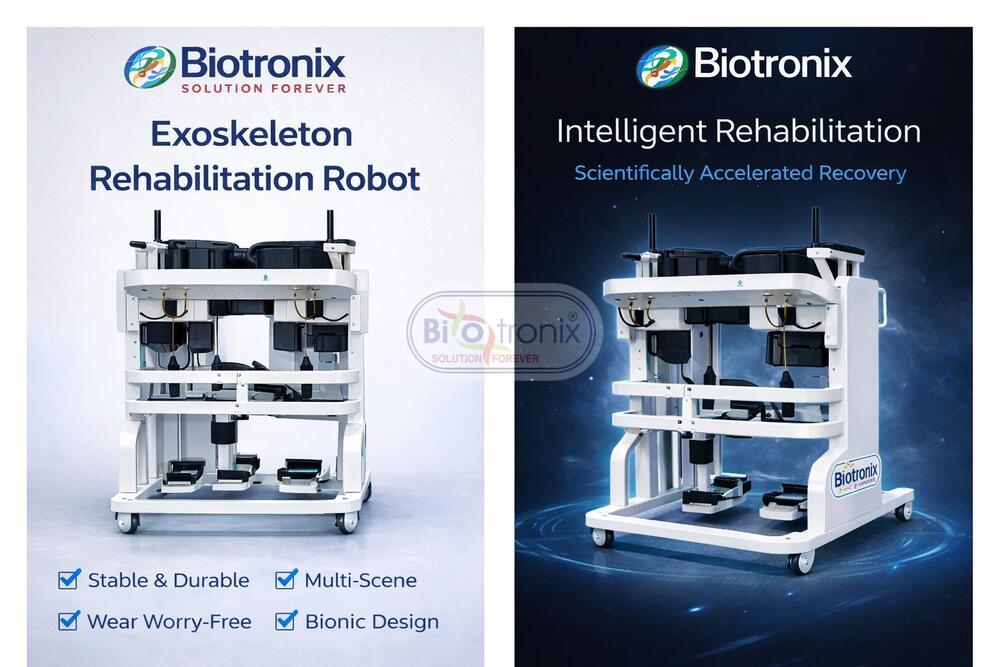
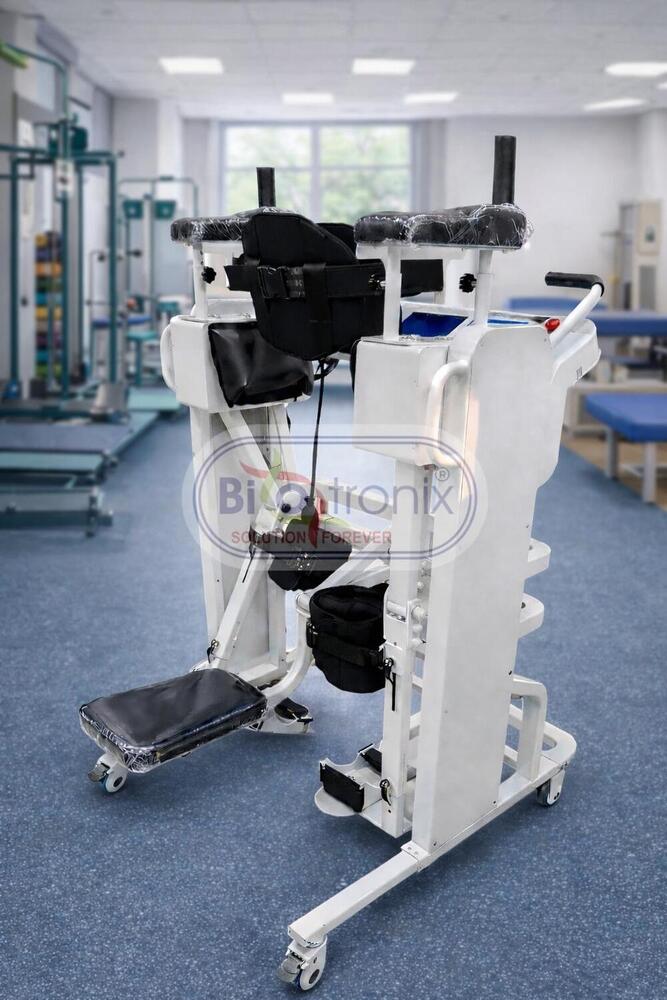
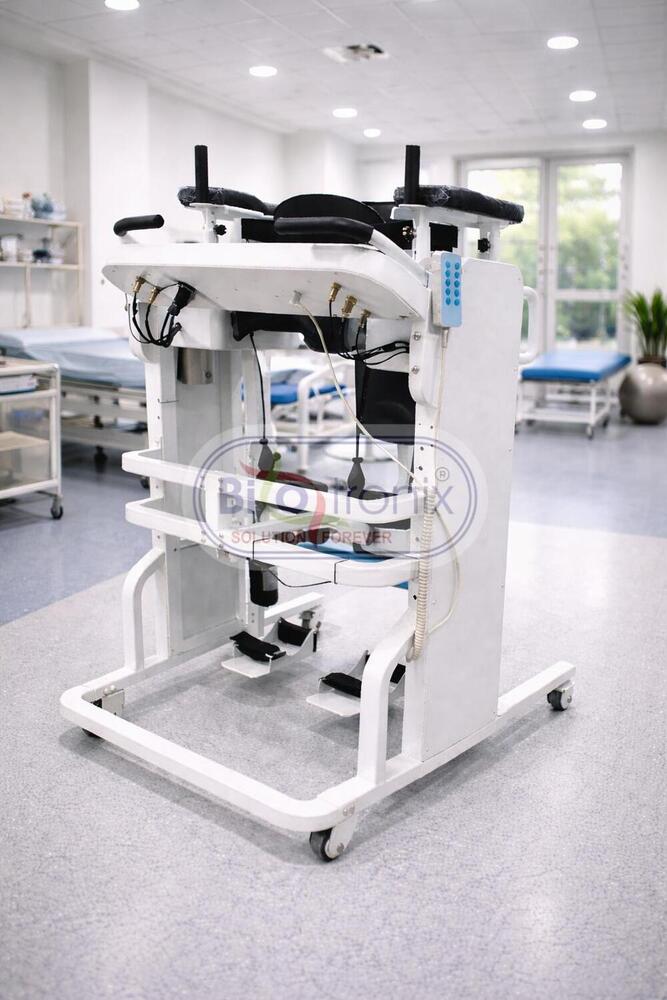
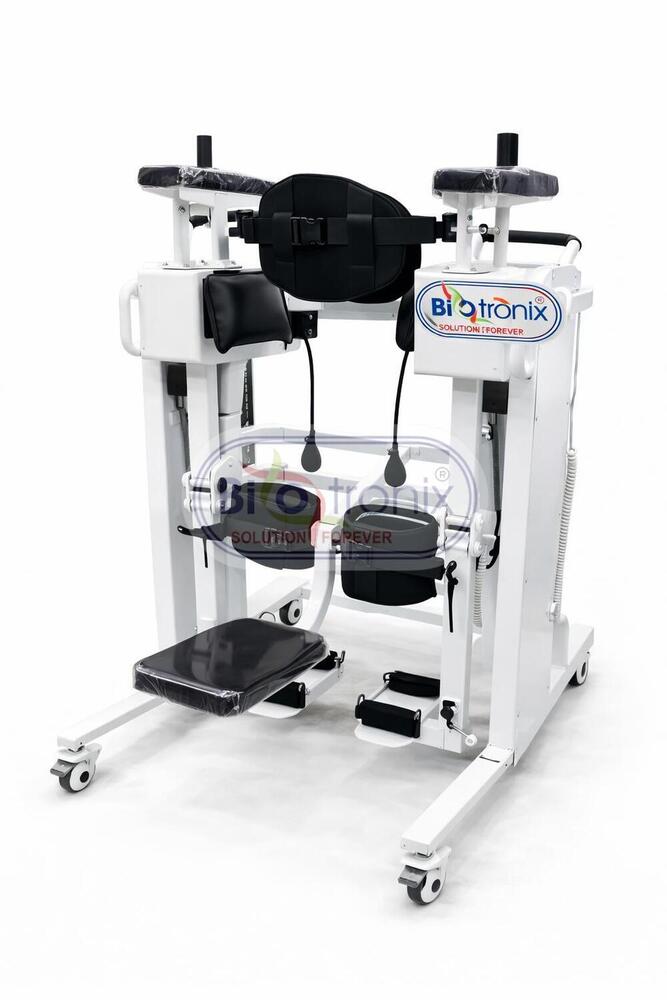
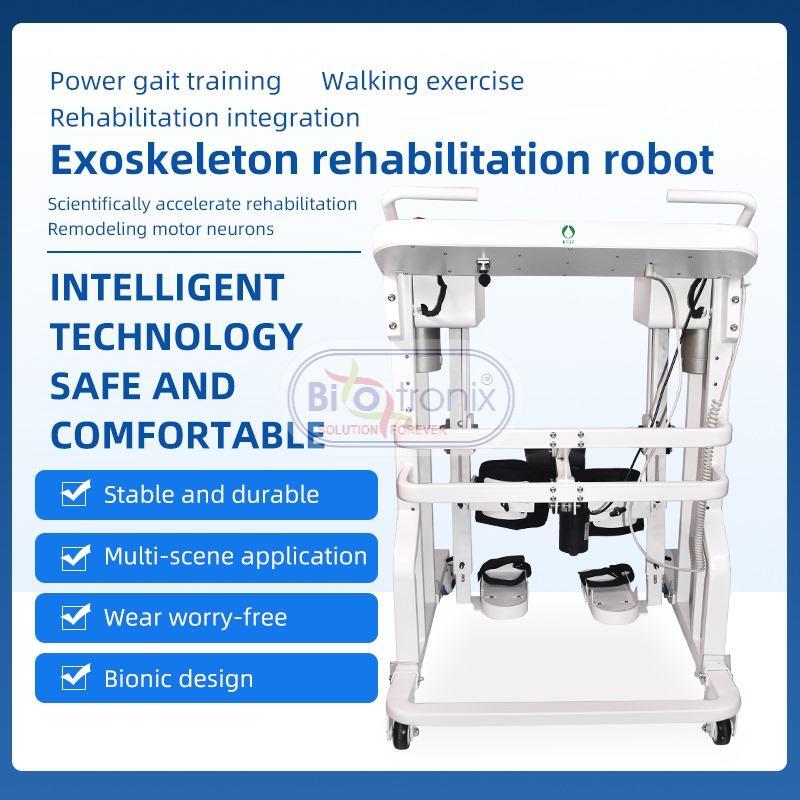
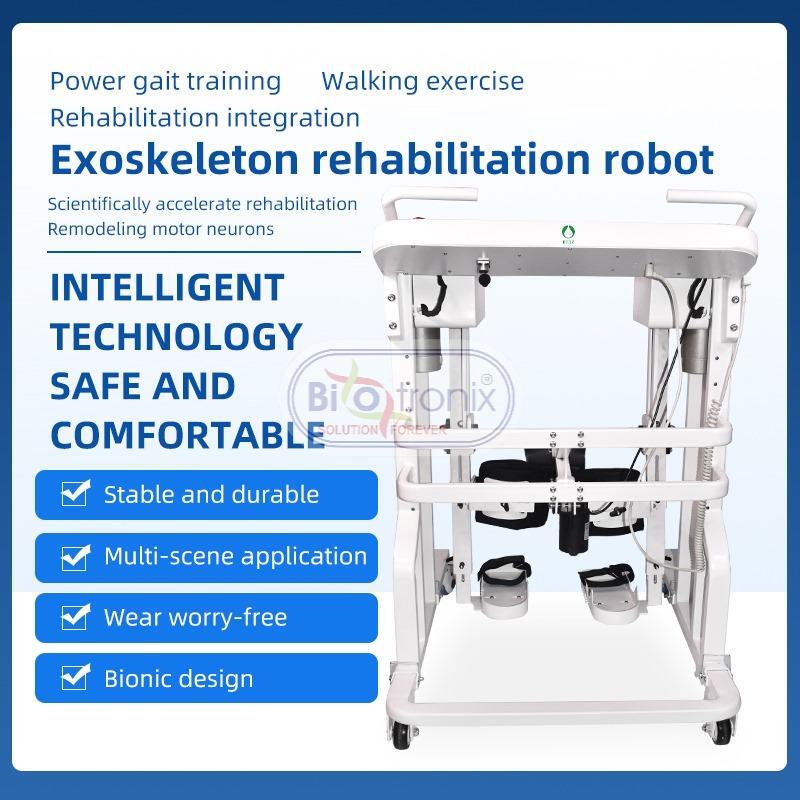
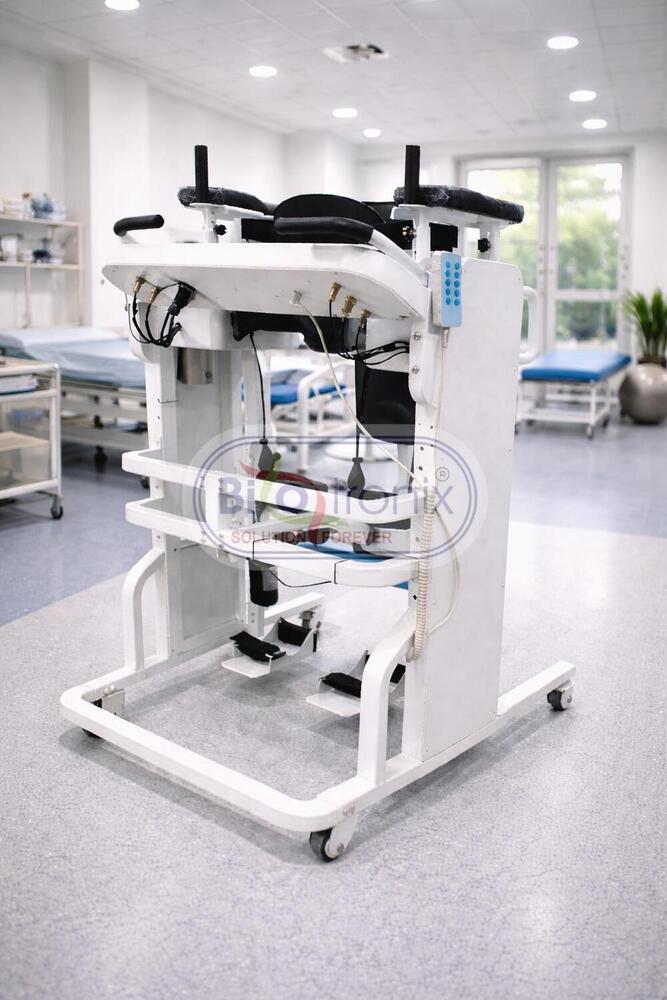
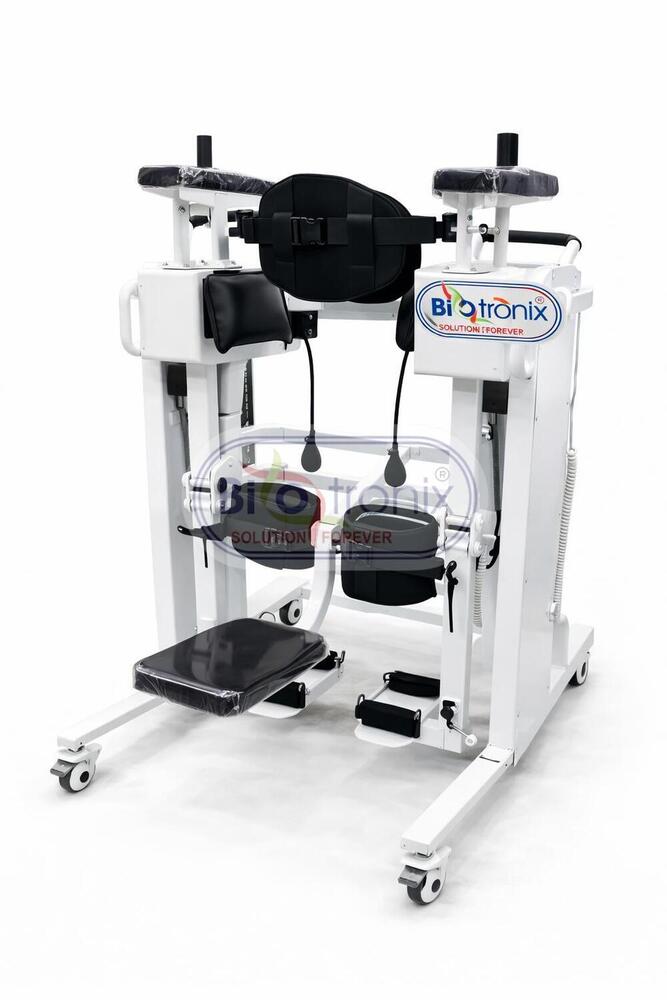
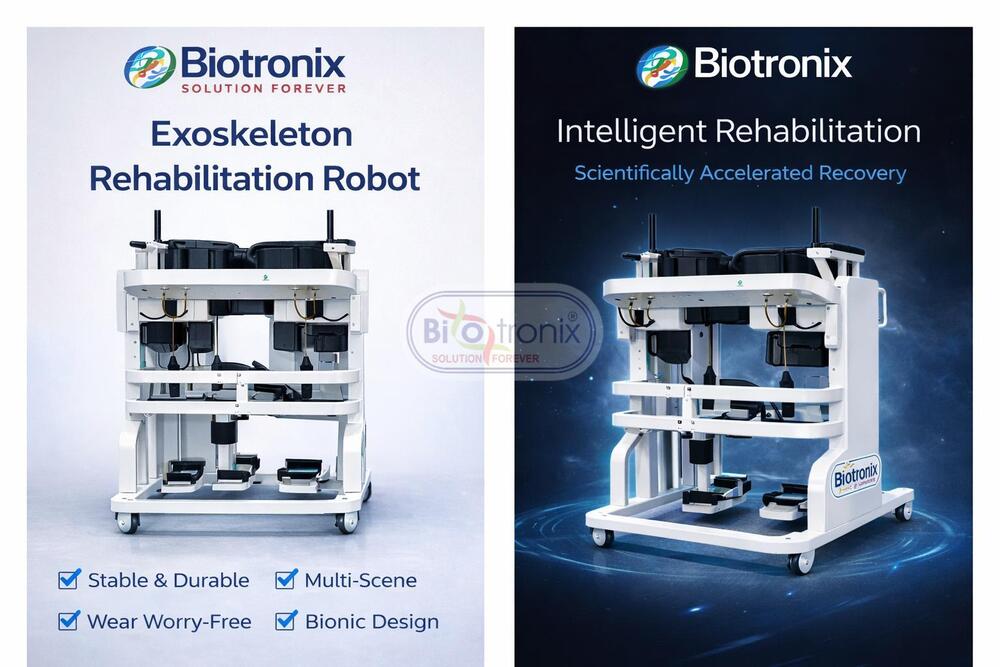
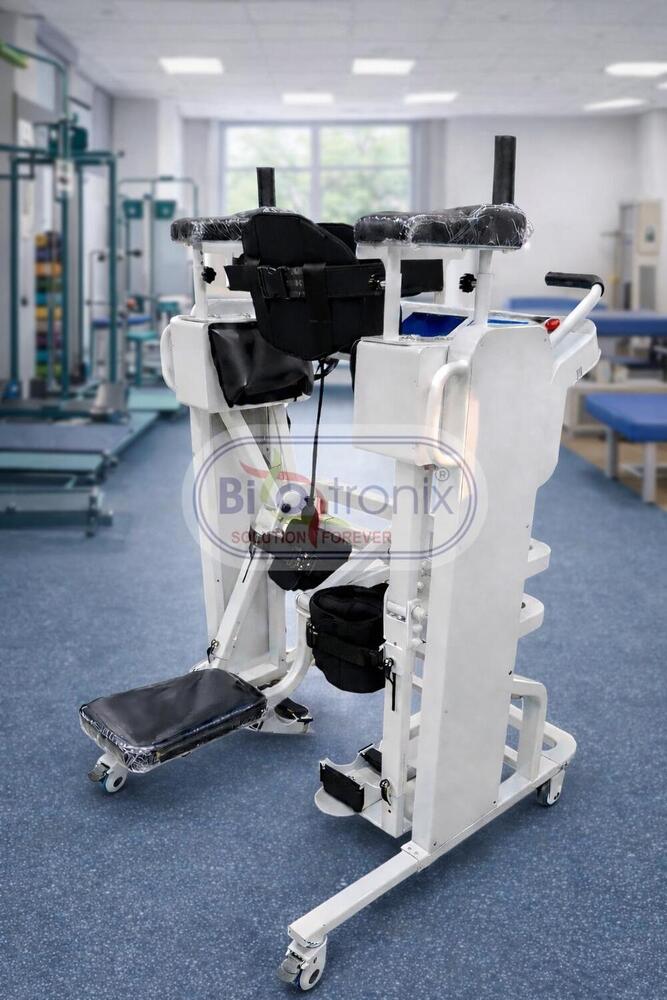
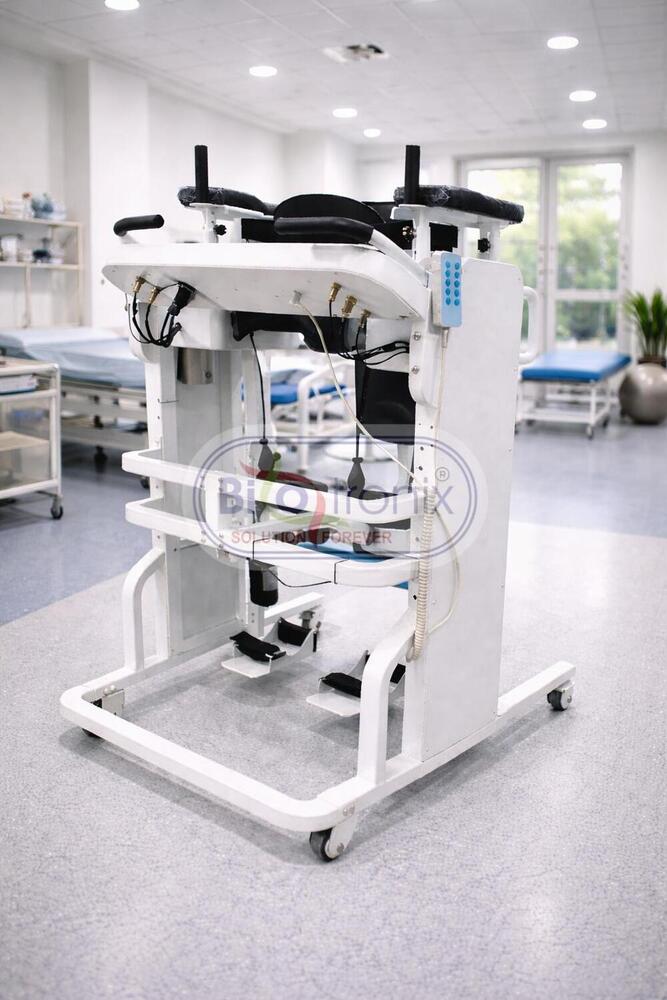
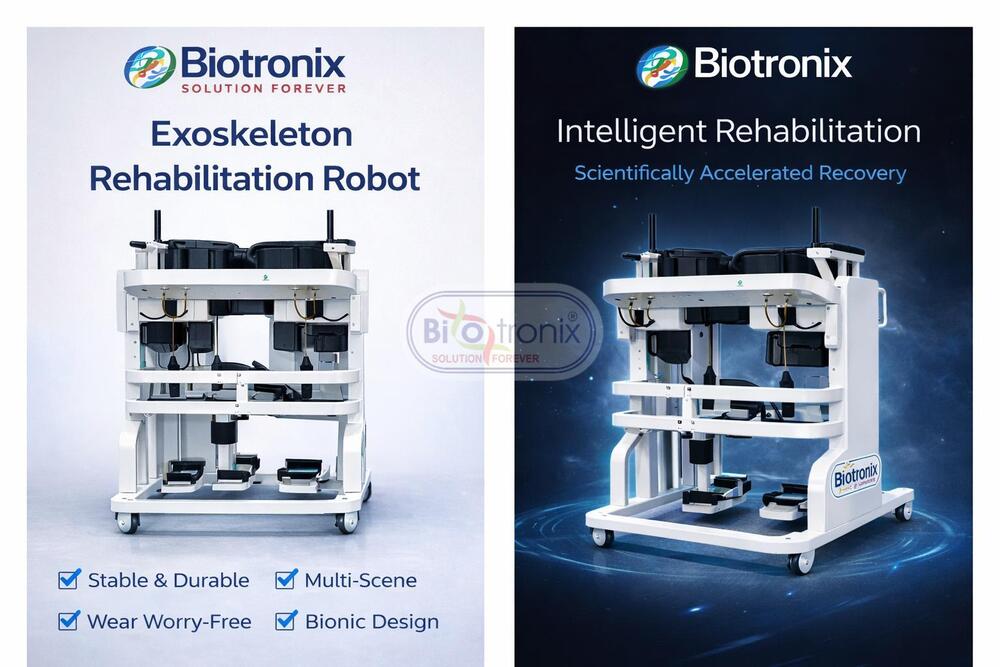
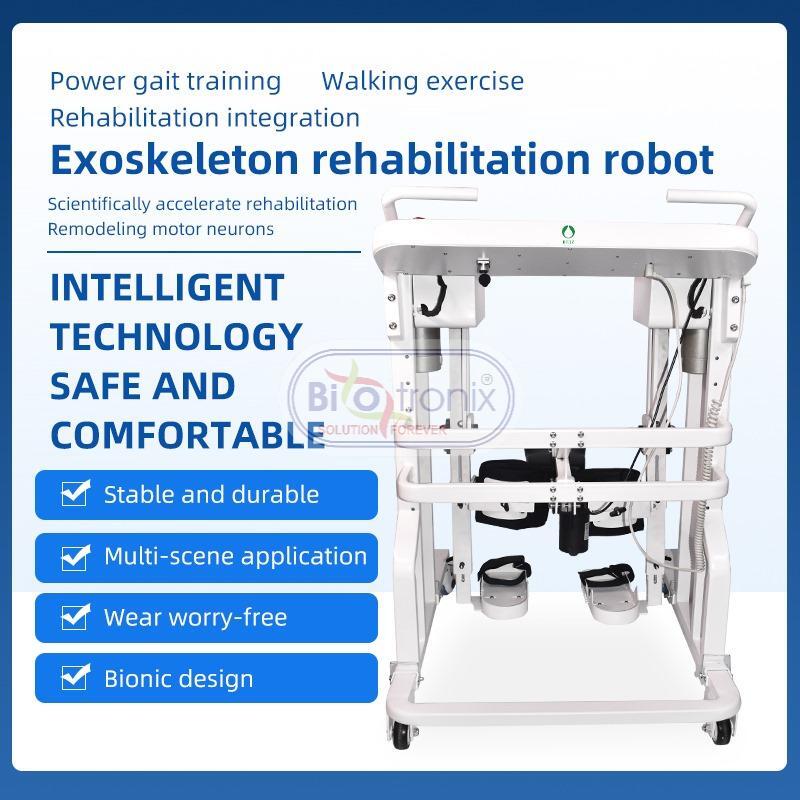
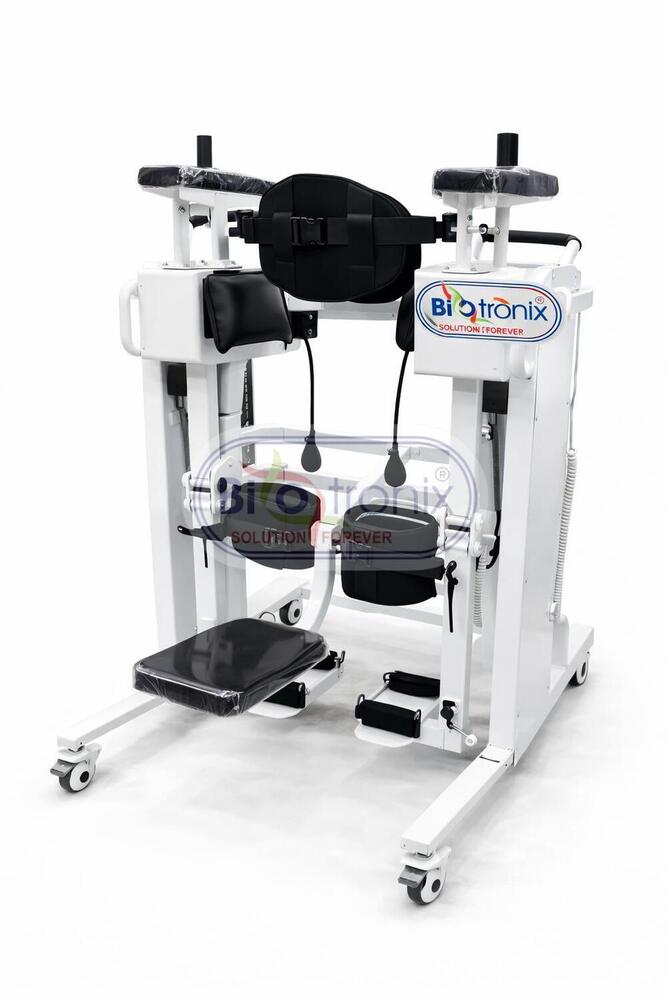
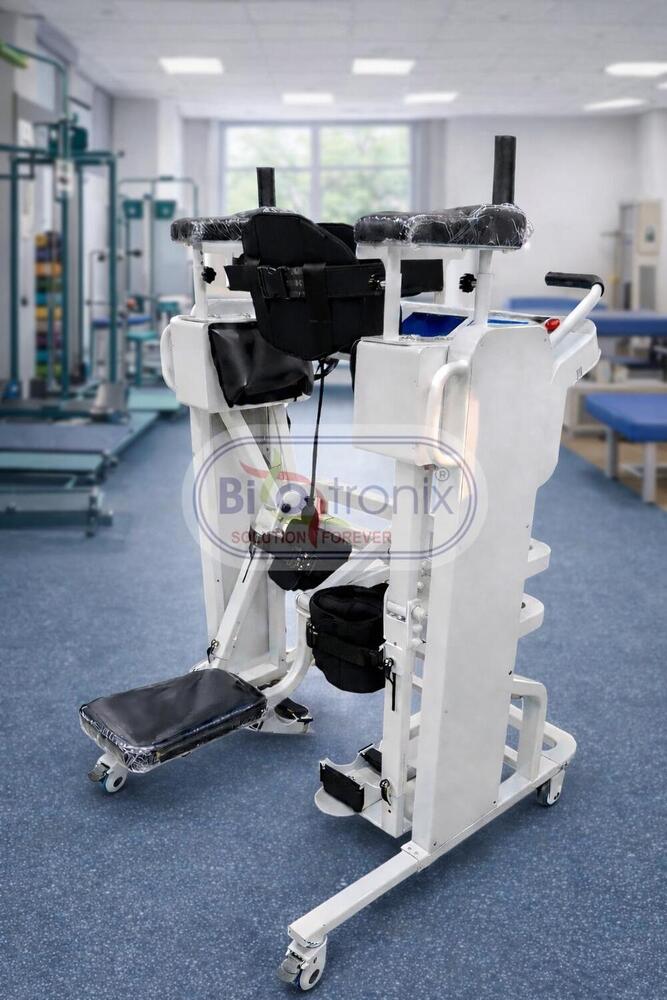
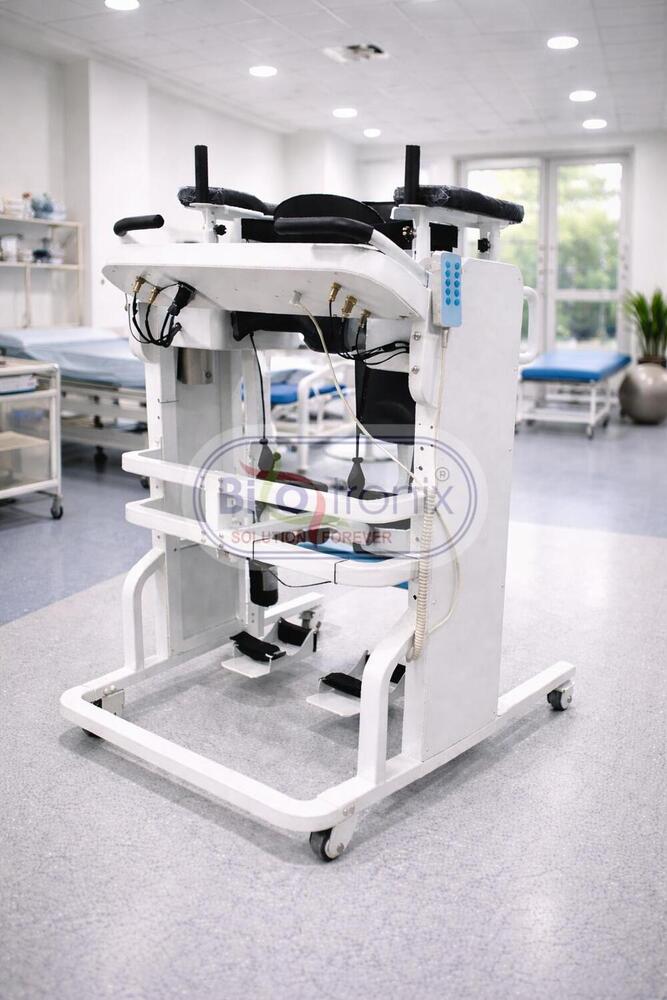
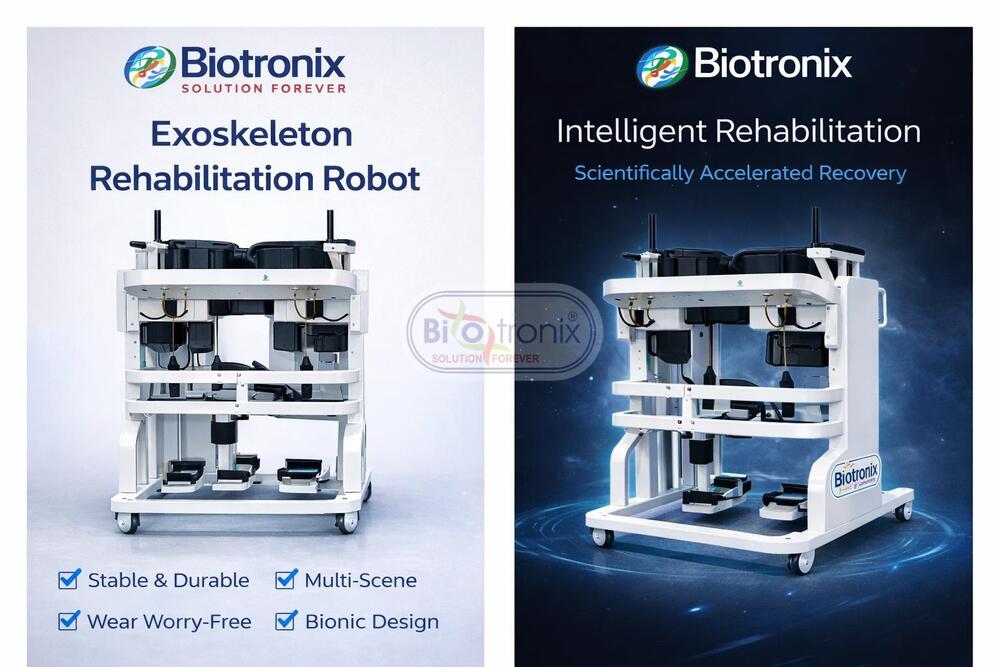
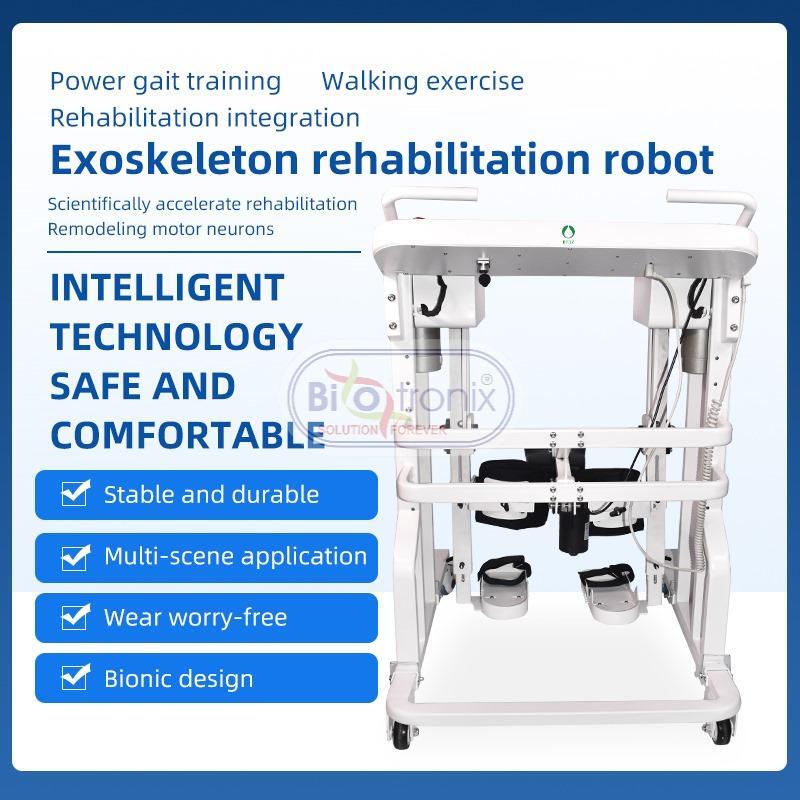
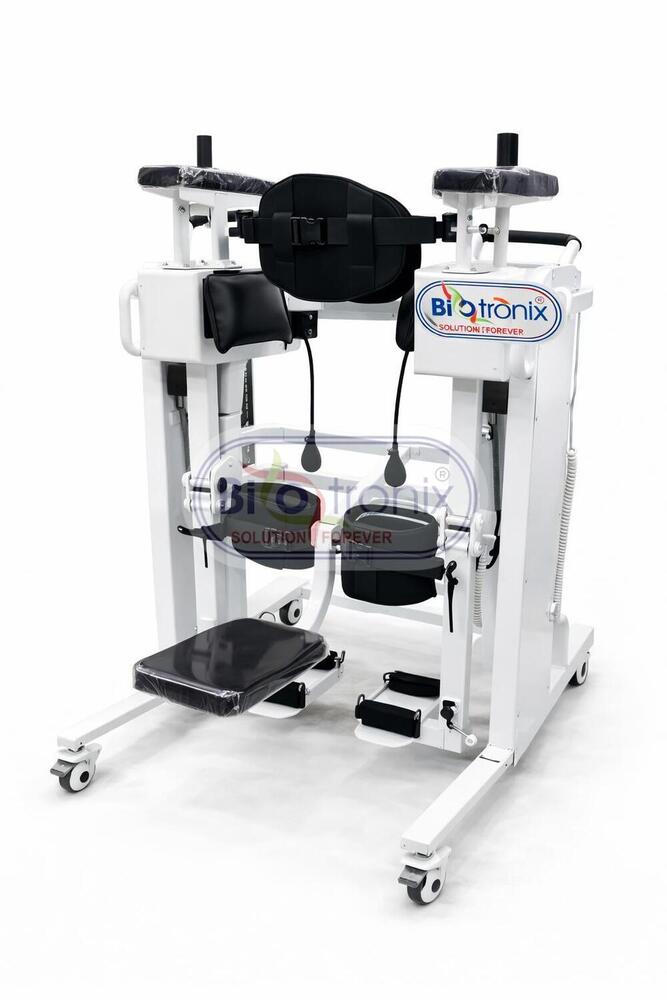
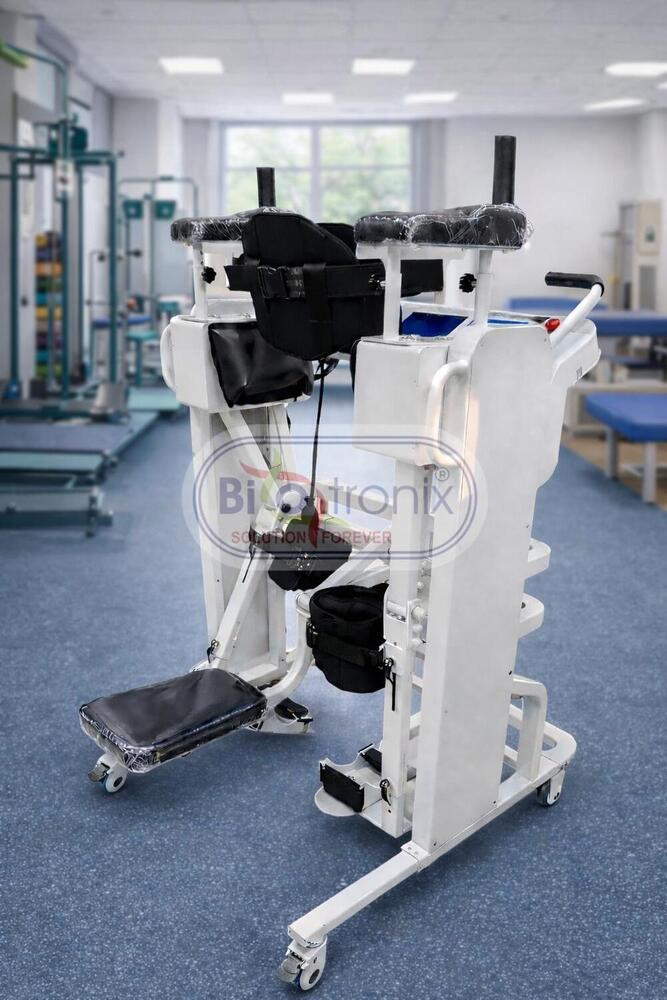
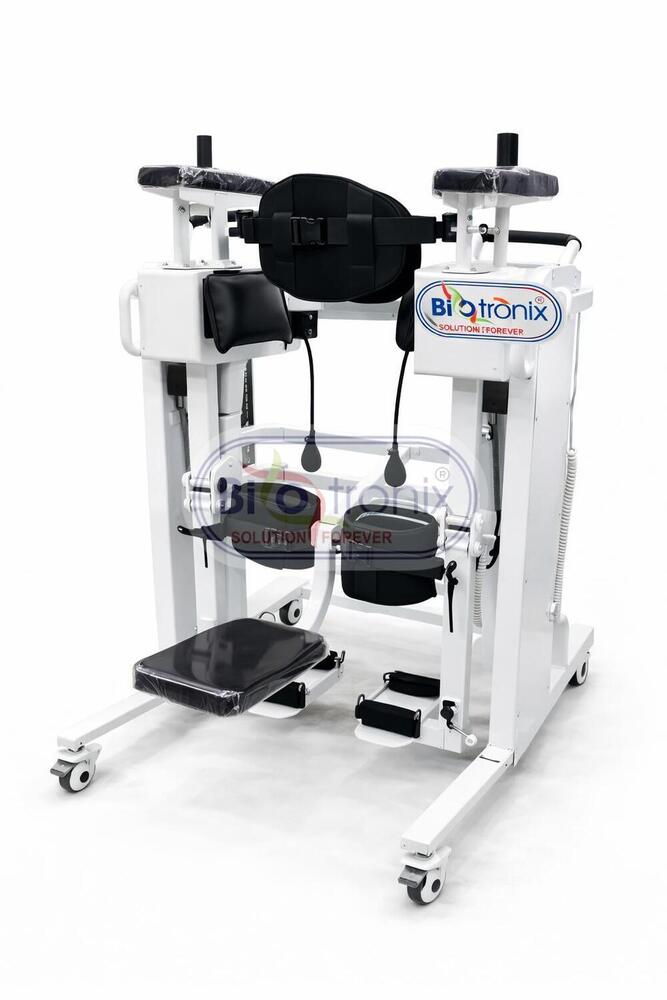
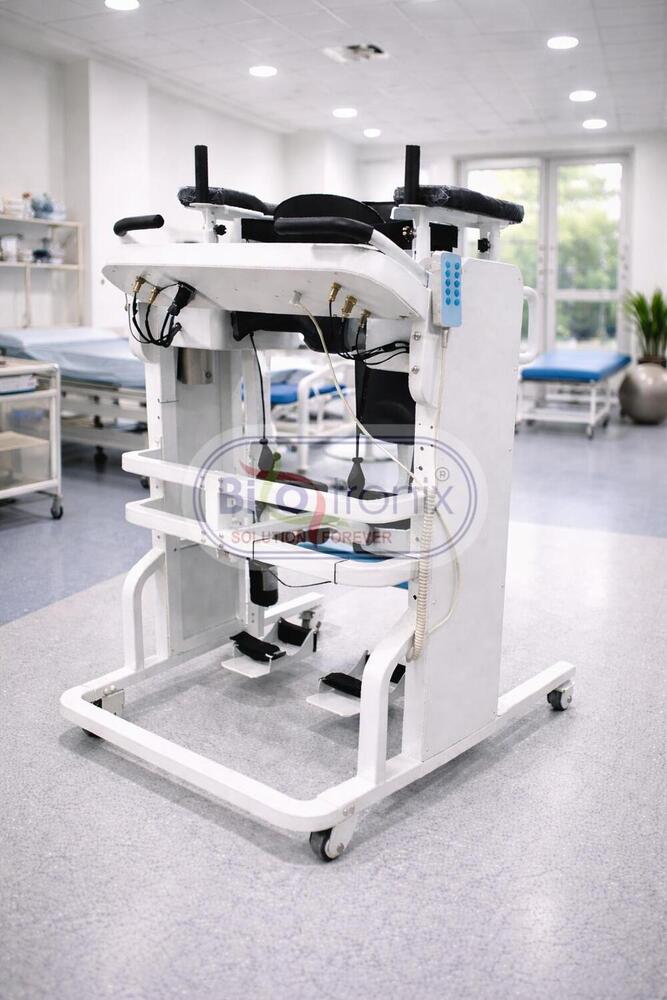
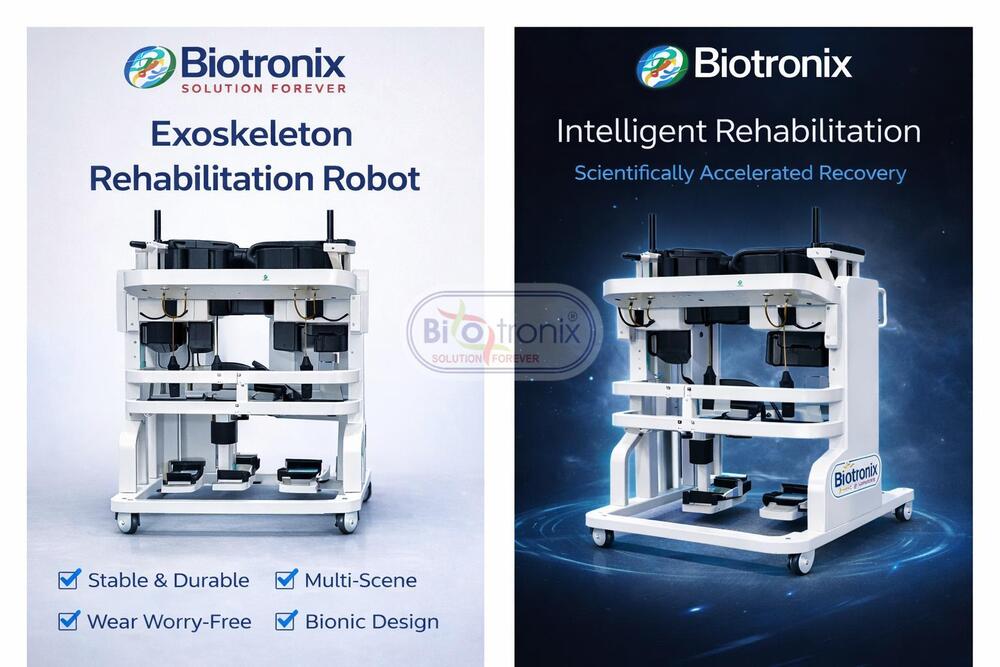
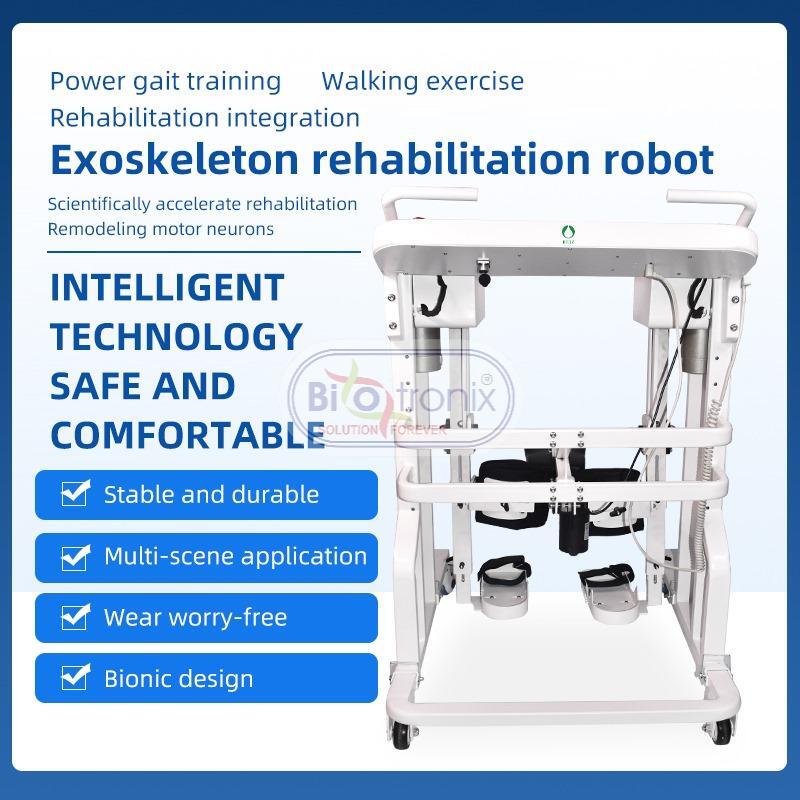
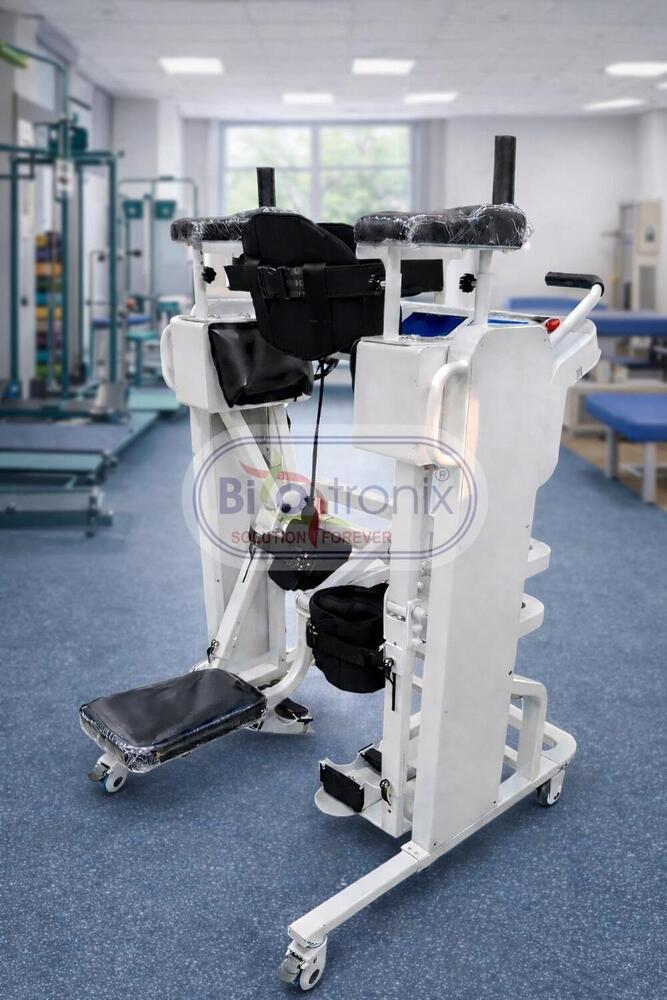
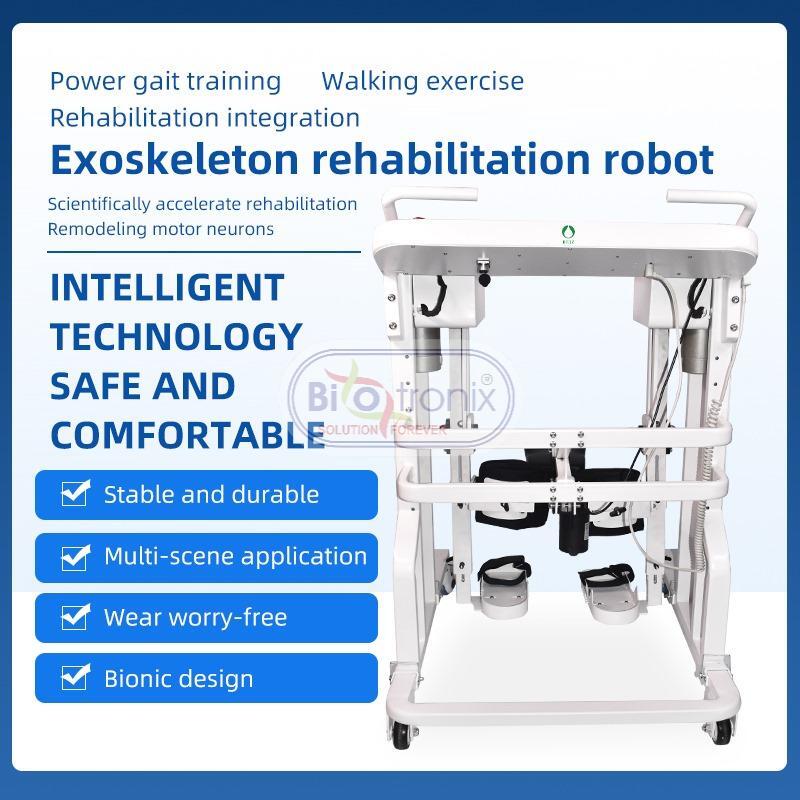
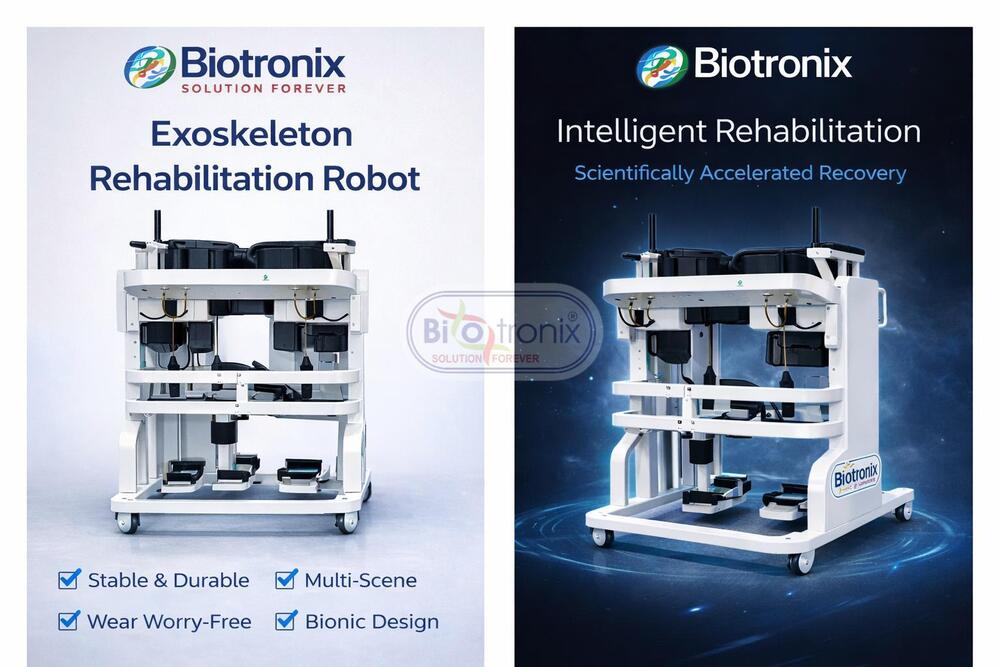
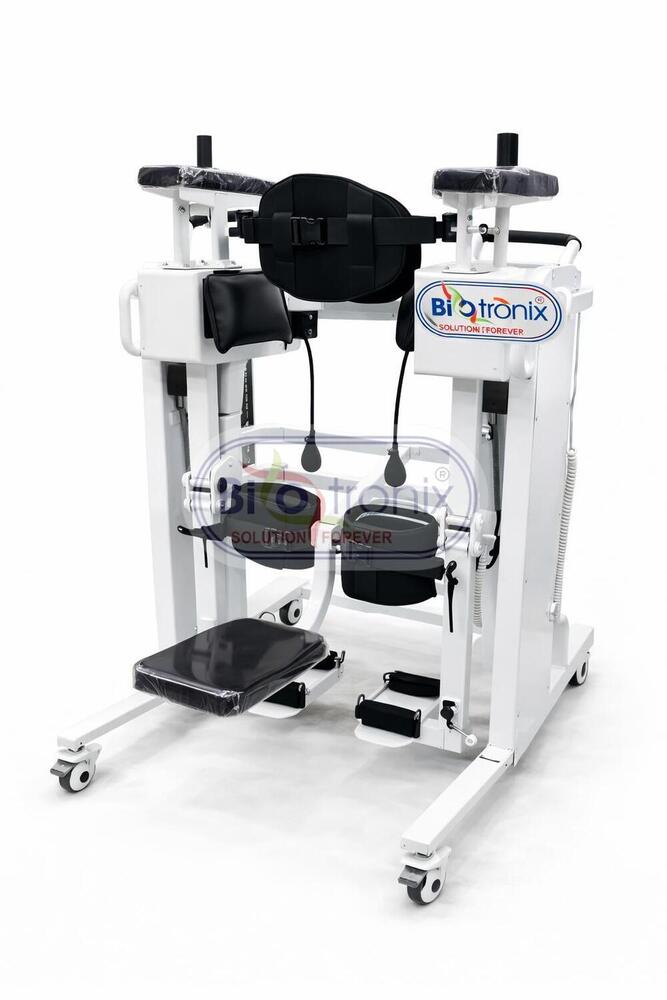
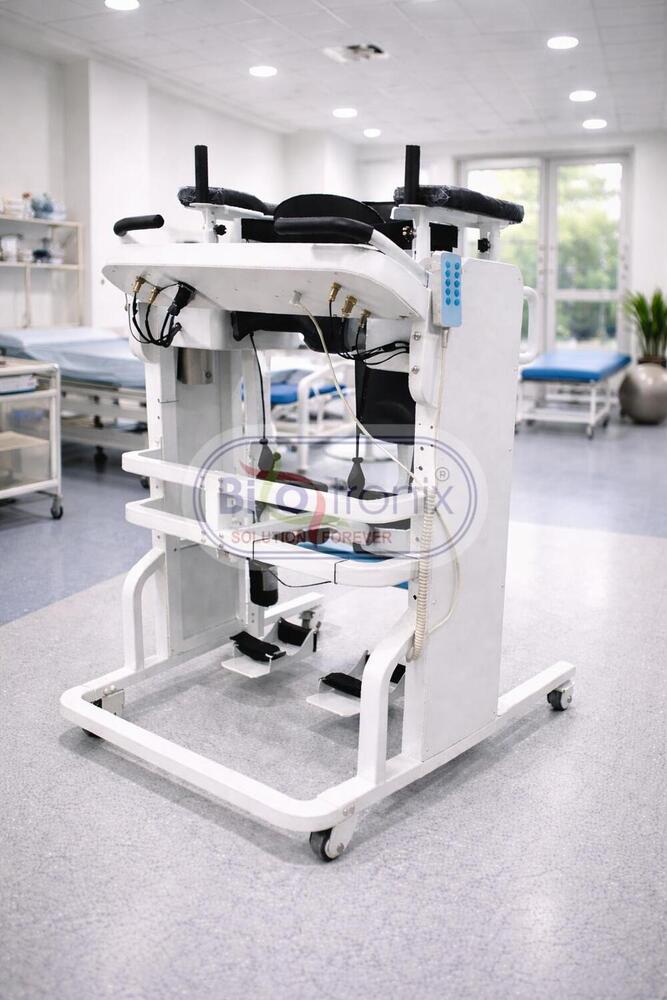
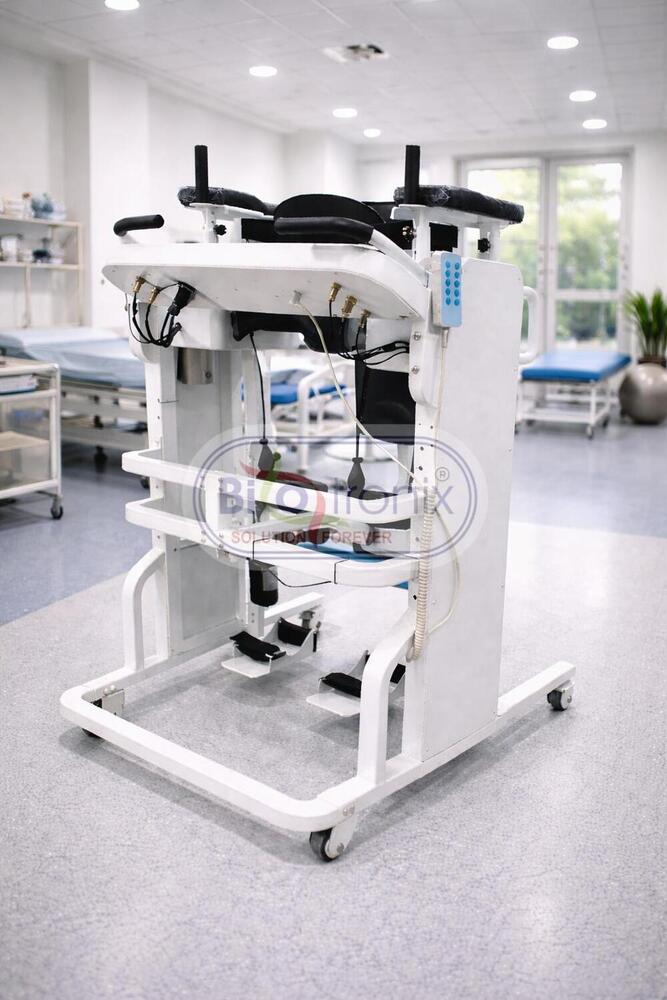
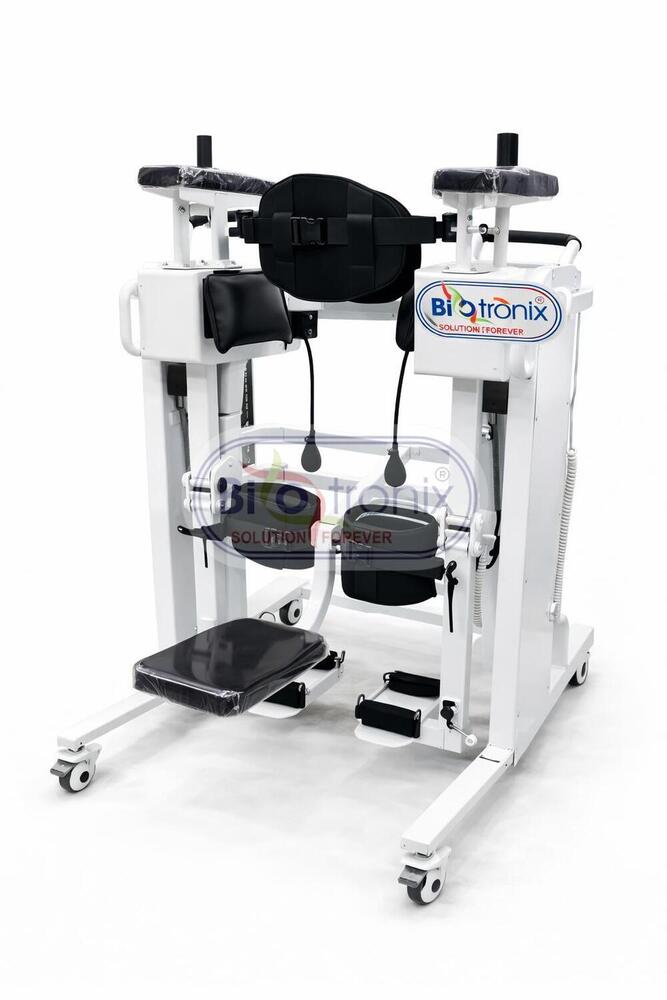
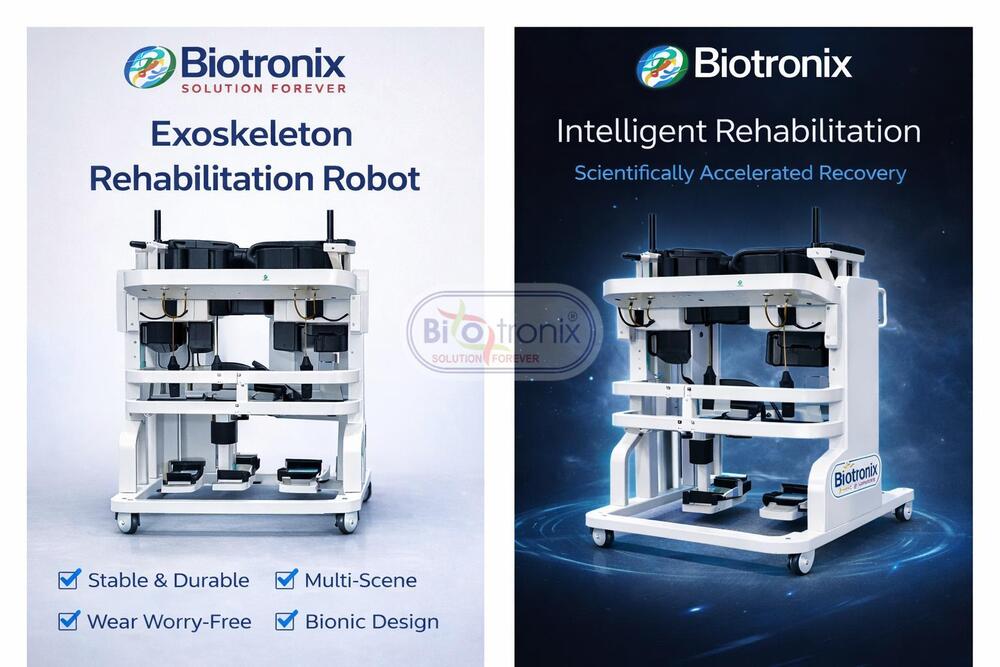
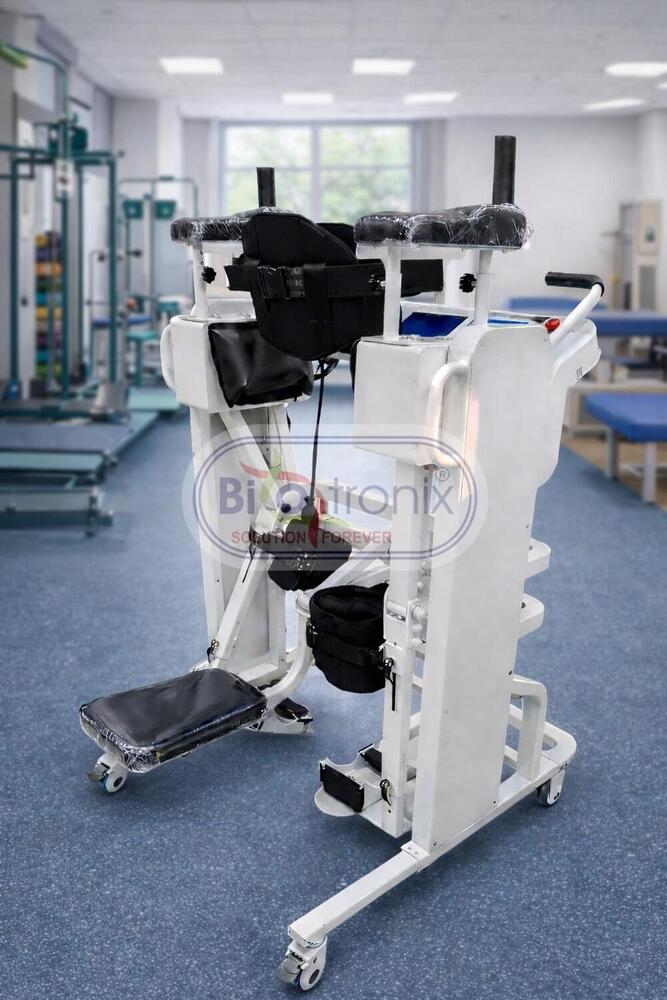
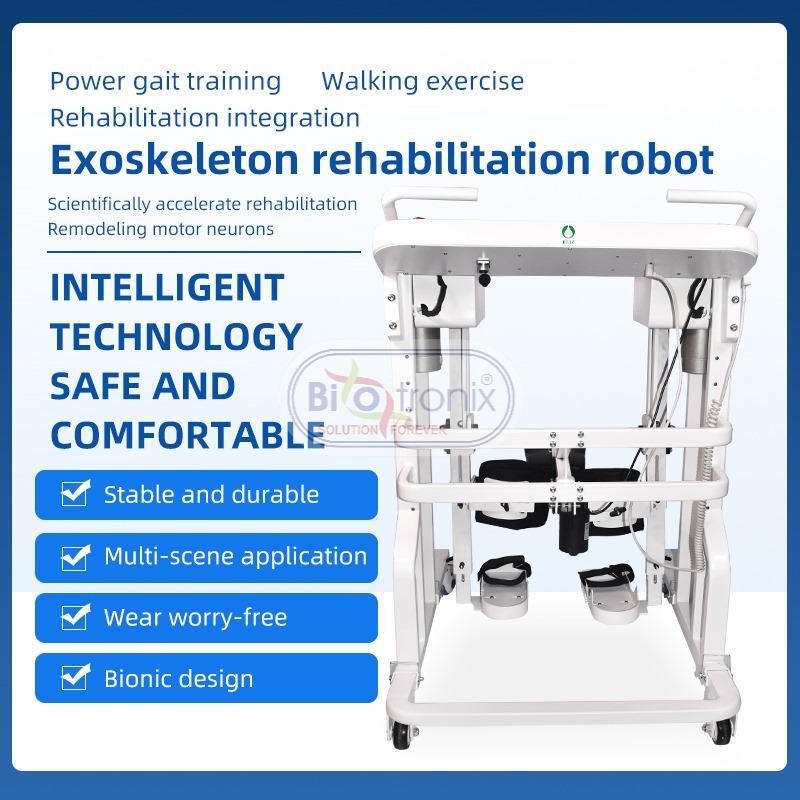
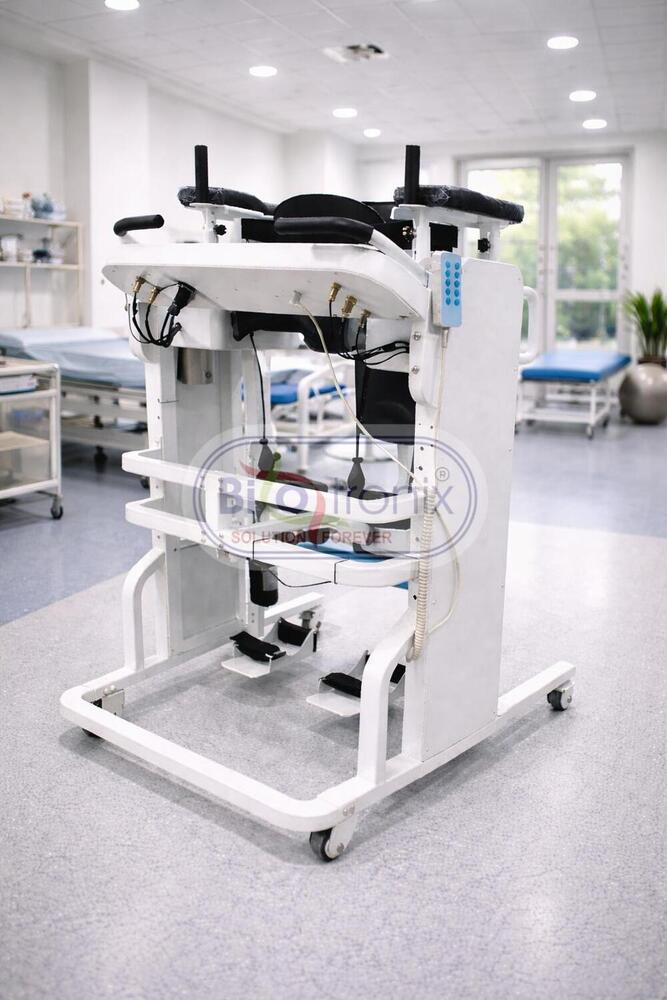
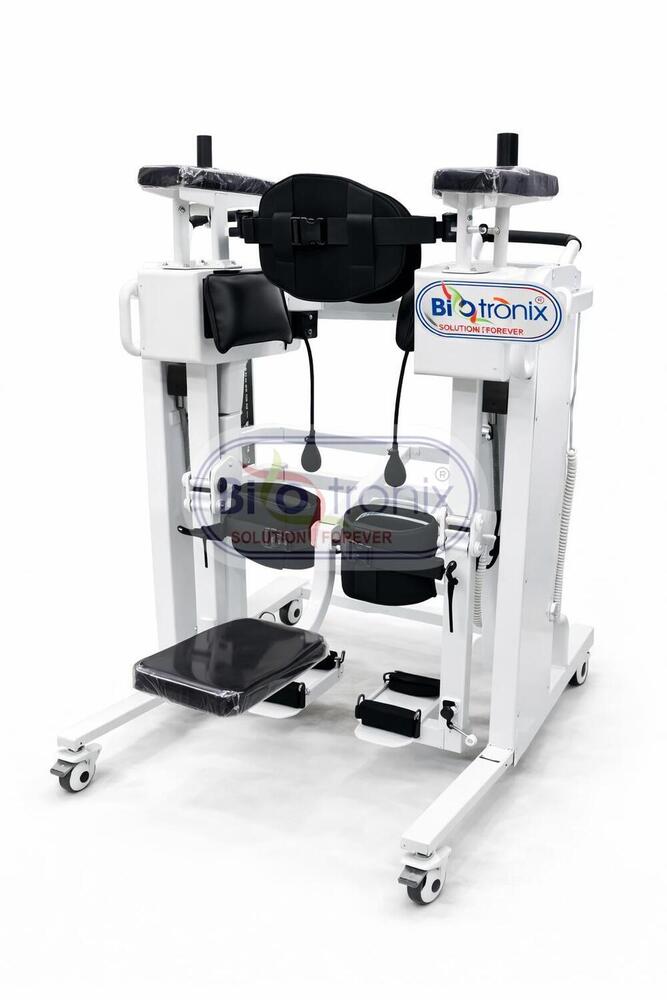
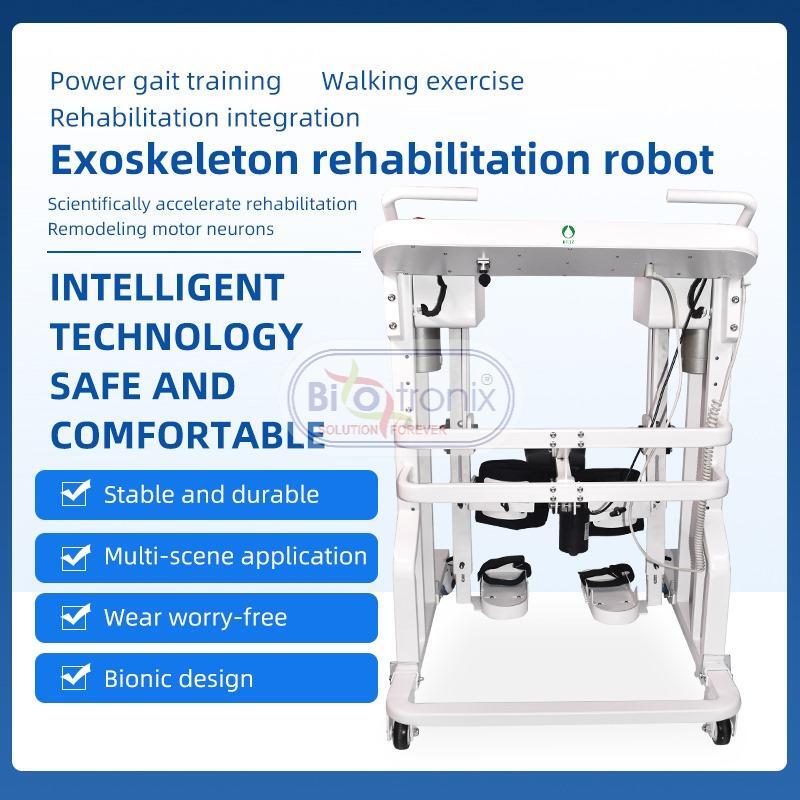
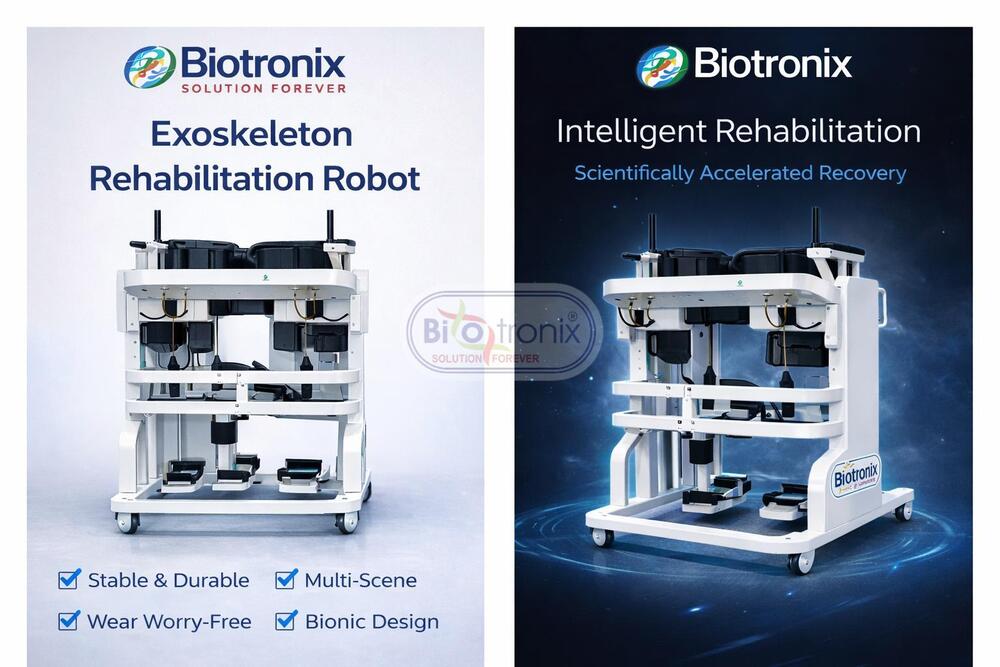
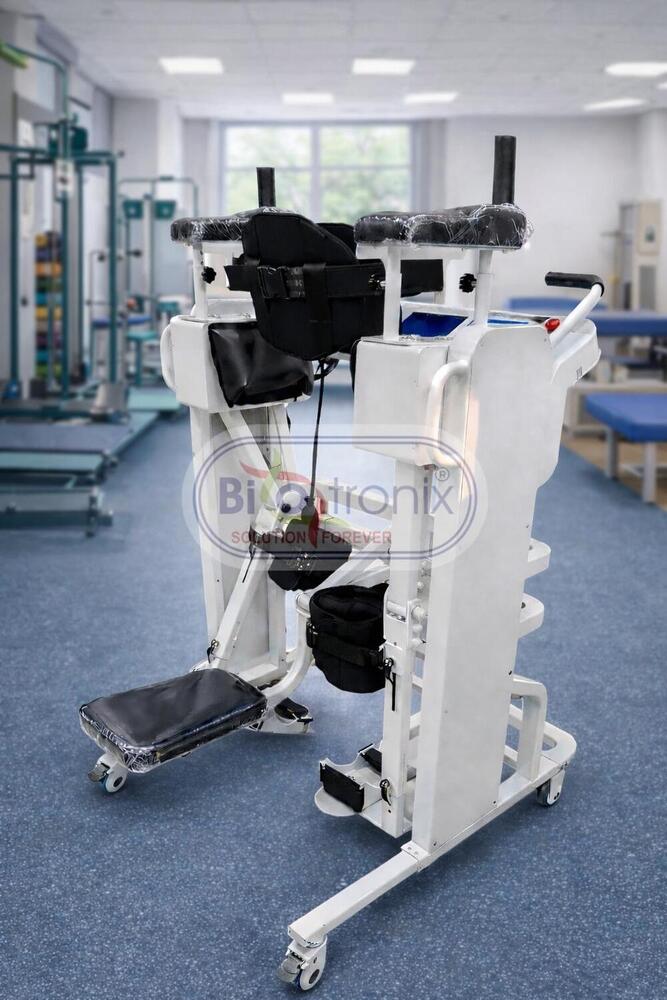
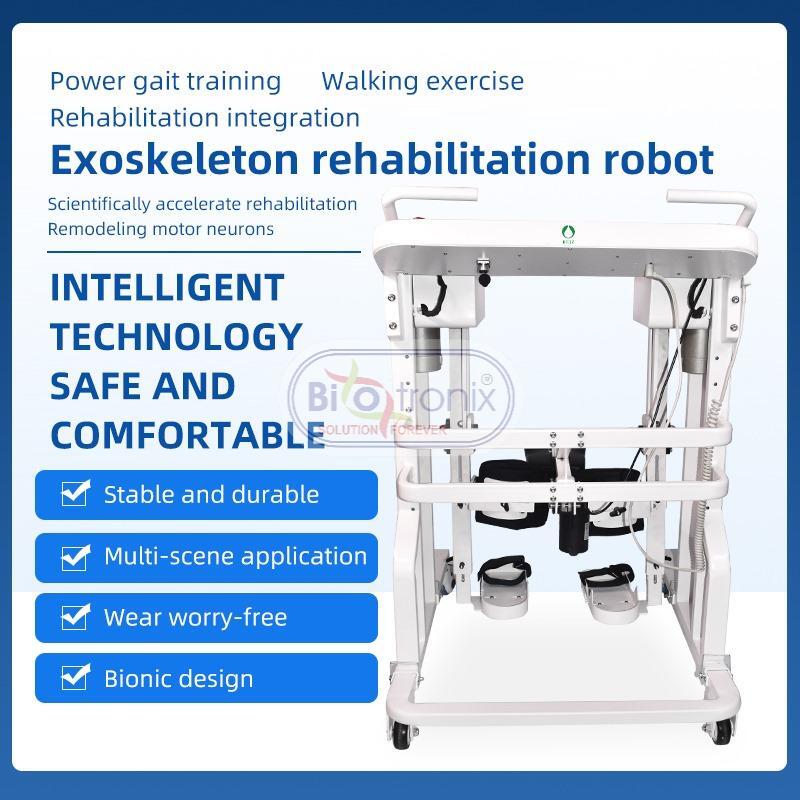
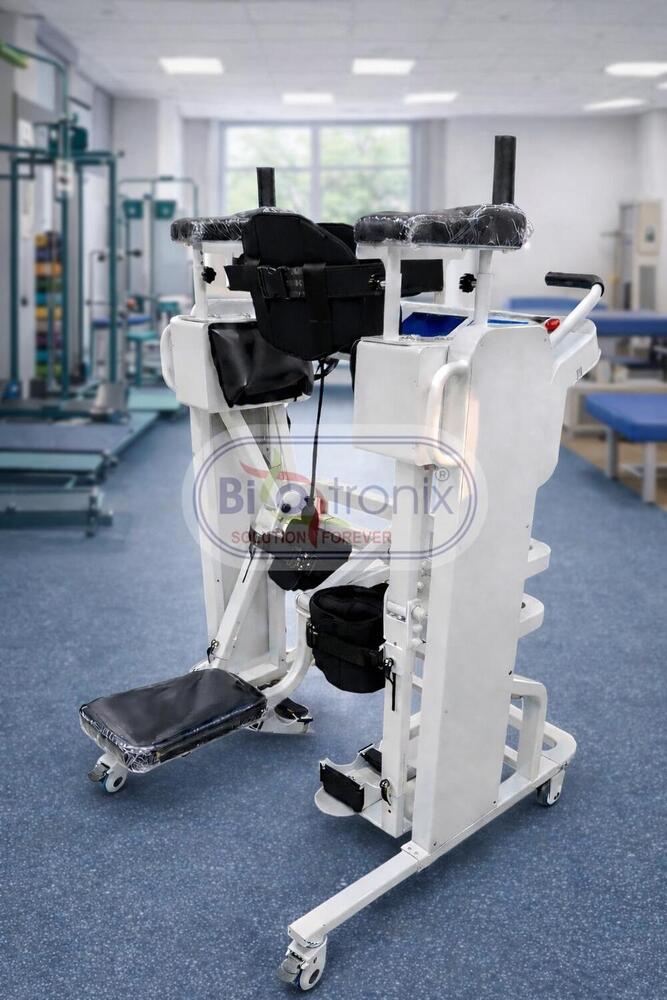
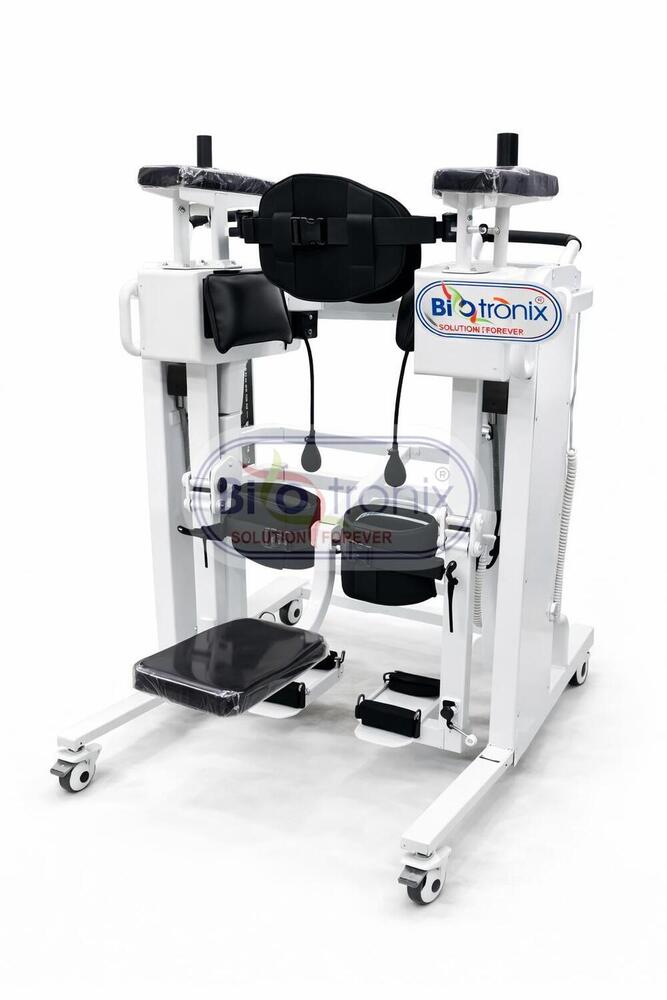
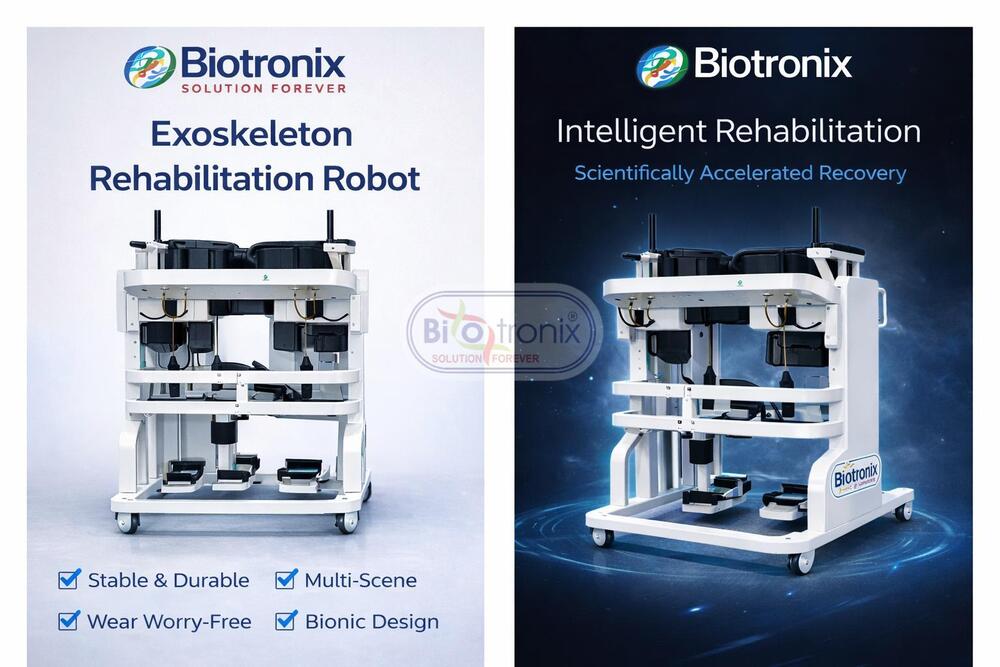
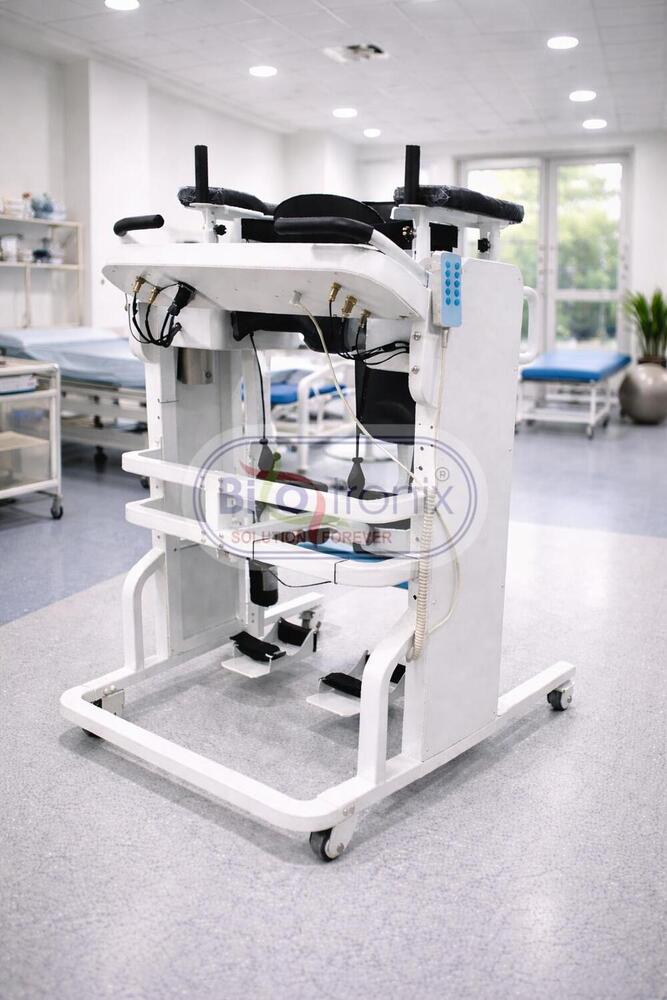
Exoskeleton rehabilitation technology for strength and stability is designed to help patients rebuild muscular power while developing postural control and movement stability during recovery. These advanced wearable robotic systems provide controlled assistance and resistance, enabling patients with neurological and orthopedic impairments to perform strengthening and stability-focused exercises with correct alignment and safe load distribution. In modern rehabilitation clinics, exoskeleton rehabilitation technology plays a key role in restoring stable movement patterns essential for functional mobility and independence.
By integrating intelligent sensors, adaptive control algorithms, and therapist-defined rehabilitation protocols, exoskeleton rehabilitation technology ensures consistent and progressive training for both strength and stability. Clinicians can precisely regulate joint support, resistance levels, and movement speed to match patient capability, supporting gradual improvements in muscle activation, balance control, and coordinated movement while maintaining high standards of patient safety.
Medical-grade exoskeleton rehabilitation technology designed for strength and stability training
Adaptive robotic assistance and resistance based on patient strength and stability levels
Multi-joint support for hips, knees, and ankles, ensuring biomechanically correct movement
Real-time sensor-based control for smooth, precise, and repeatable training execution
Adjustable training parameters for structured and progressive strength and stability programs
Therapist-controlled interface for standardized yet patient-specific rehabilitation protocols
Advanced safety systems, including emergency stop and torque limitation
Continuous performance monitoring for objective strength and stability assessment
Stroke rehabilitation for rebuilding strength and improving postural stability
Spinal cord injury rehabilitation for supported strengthening and balance training
Neurological rehabilitation for traumatic brain injury, Parkinsonas disease, and multiple sclerosis
Orthopedic rehabilitation following joint replacement, fractures, and ligament reconstruction
Post-surgical rehabilitation for restoring strength and movement stability
Strength and stability programs focusing on gait control, balance, and functional mobility
Improves muscle strength and controlled force generation
Enhances postural stability, balance, and coordinated movement
Promotes neuroplasticity through repetitive, task-specific training
Ensures high patient safety during assisted and upright rehabilitation
Provides objective, data-driven insights into strength and stability progress
Reduces physical strain and fatigue for therapists
Builds patient confidence during standing and dynamic movement tasks
Supports efficient, scalable, and outcome-focused rehabilitation services
System Type: Wearable medical-grade rehabilitation exoskeleton
User Weight Range: Approx. 40a120 kg
User Height Range: Approx. 150a195 cm
Assisted Joints:
Hip: 2 degrees of freedom
Knee: 1 degree of freedom
Ankle: 1 degree of freedom per side
Actuation System: High-torque brushless DC motors with integrated torque sensors
Control System: Intelligent adaptive control with real-time feedback algorithms
Power Supply: Rechargeable lithium-ion battery pack
Battery Backup: Approx. 3a5 hours of continuous clinical operation
Charging Time: Approx. 2a3 hours
Training Modes: Passive, Assisted, Active-Assist, Resistive, Adaptive
Sensor System: IMU sensors, joint encoders, force and torque sensors
Safety Features: Emergency stop button, torque limiters, mechanical braking system
Connectivity: Bluetooth, Wi-Fi, USB data export
Compliance: Medical device certifications (model dependent)
Operating Temperature: 10AC to 40AC
Storage Temperature: a20AC to 60AC
exoskeleton rehabilitation technology, strength and stability exoskeleton, robotic strength stability training system, clinical exoskeleton therapy device, physiotherapy exoskeleton for strength and stability, neurological strength stability rehabilitation exoskeleton, orthopedic stability training exoskeleton, robotic gait stability system, advanced rehabilitation clinic technology, medical rehabilitation exoskeleton

Price:

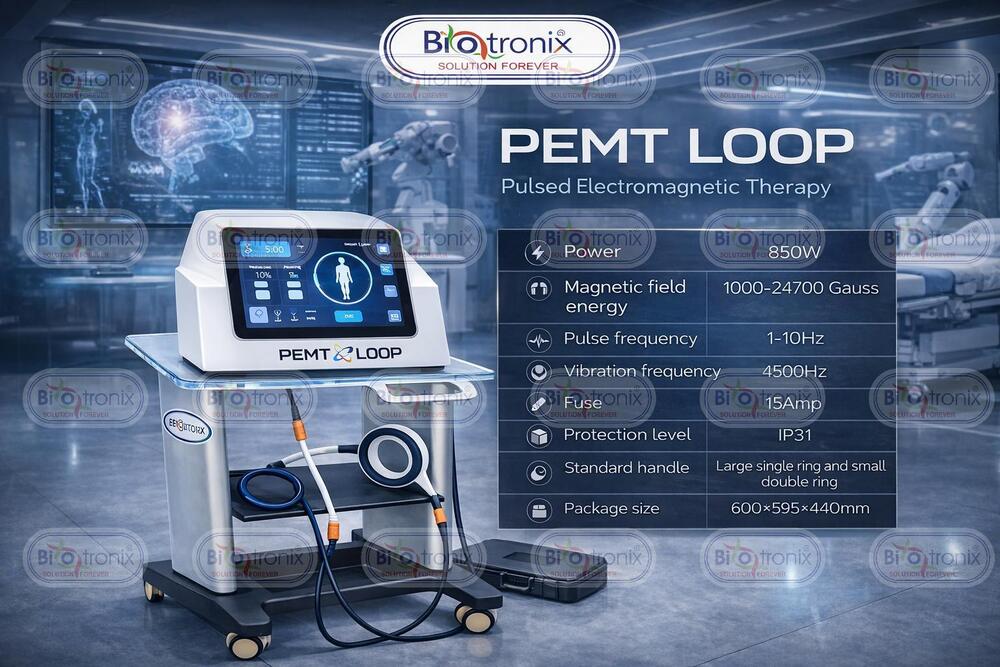
Price 275000.0 INR / Piece
Minimum Order Quantity : 1 Piece
Color : Electromagnetic Therapy Equipment for Rehabilitation
Portable : PEMT Pain Management Device
Measuring Range : PEMT Therapy Device Rankine
Shape : Pulse Magnetic Therapy Equipment for Pain Therapy

Price 275000.0 INR / Piece
Minimum Order Quantity : 1 Piece
Color : Laser Therapy for Joint Pain
Portable : 980nm Diode Laser Physiotherapy Device
Measuring Range : Portable 980nm Diode Laser Therapy Device Rankine
Shape : Physiotherapy Laser System 10W
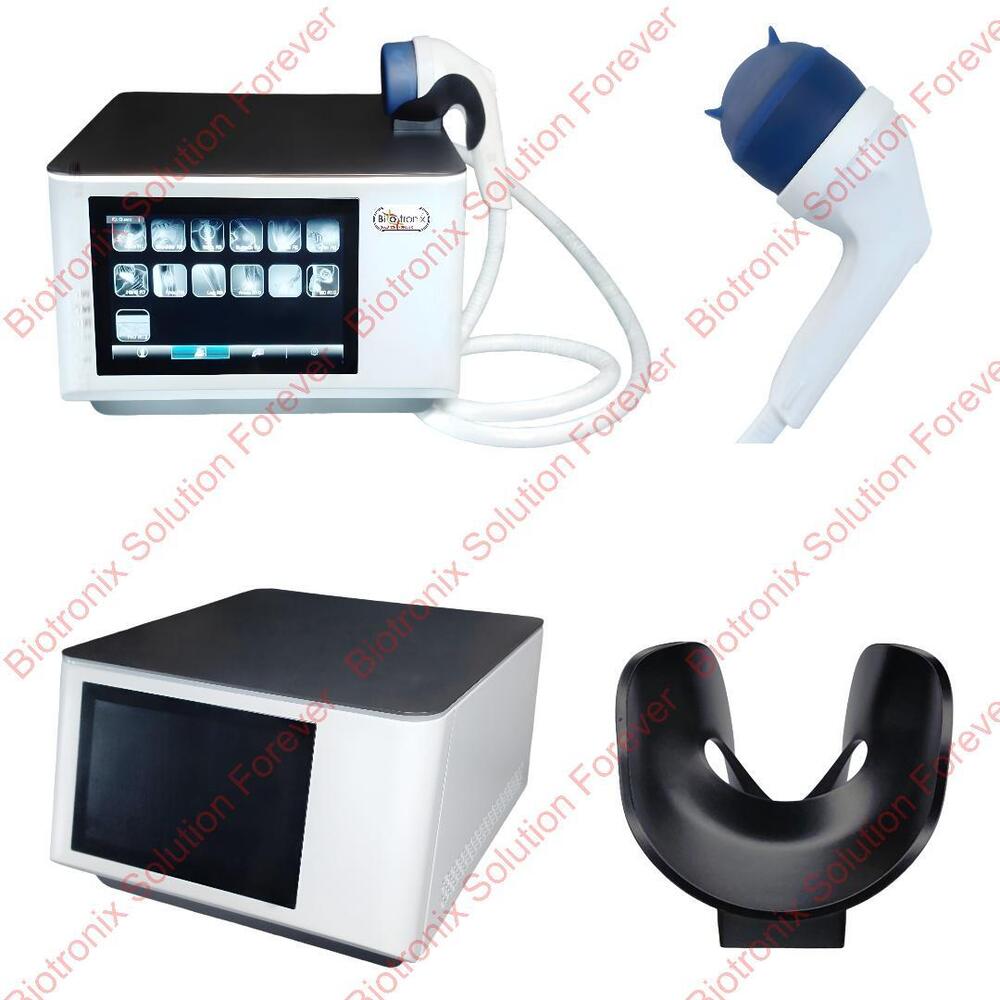
Price 700000.0 INR / Piece
Minimum Order Quantity : 1 Piece
Color : NonUnion Fracture Shockwave Therapy Device
Portable : Tennis Elbow Shockwave Therapy Machine
Measuring Range : HospitalGrade Focus Shockwave Therapy System Rankine
Shape : Shockwave Therapy Machine for Sports Rehab Centers
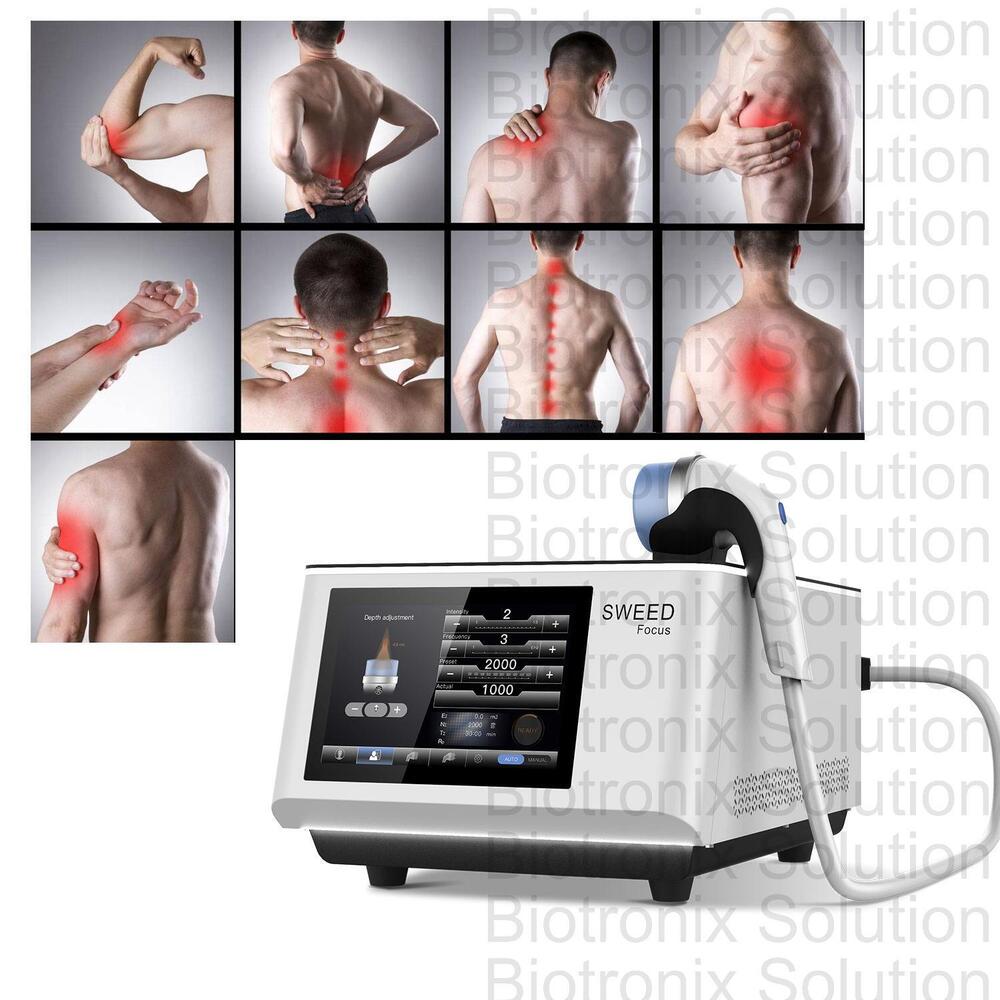
Price 700000.0 INR / Piece
Minimum Order Quantity : 1 Piece
Color : Medical grade focused shockwave therapy device
Portable : Professional focused shockwave therapy unit
Measuring Range : Digital focused shockwave therapy equipment Rankine
Shape : Physiotherapy device for muscle and tendon pain

Thank You!
Thank You for your valuable time. We have received your details and will get back to you shortly.


For an immediate response, please call this
number 07971190011
Price:

 Send Inquiry
 Send Inquiry
 Send Inquiry
 Send SMS
 Call Me Free