Back to top
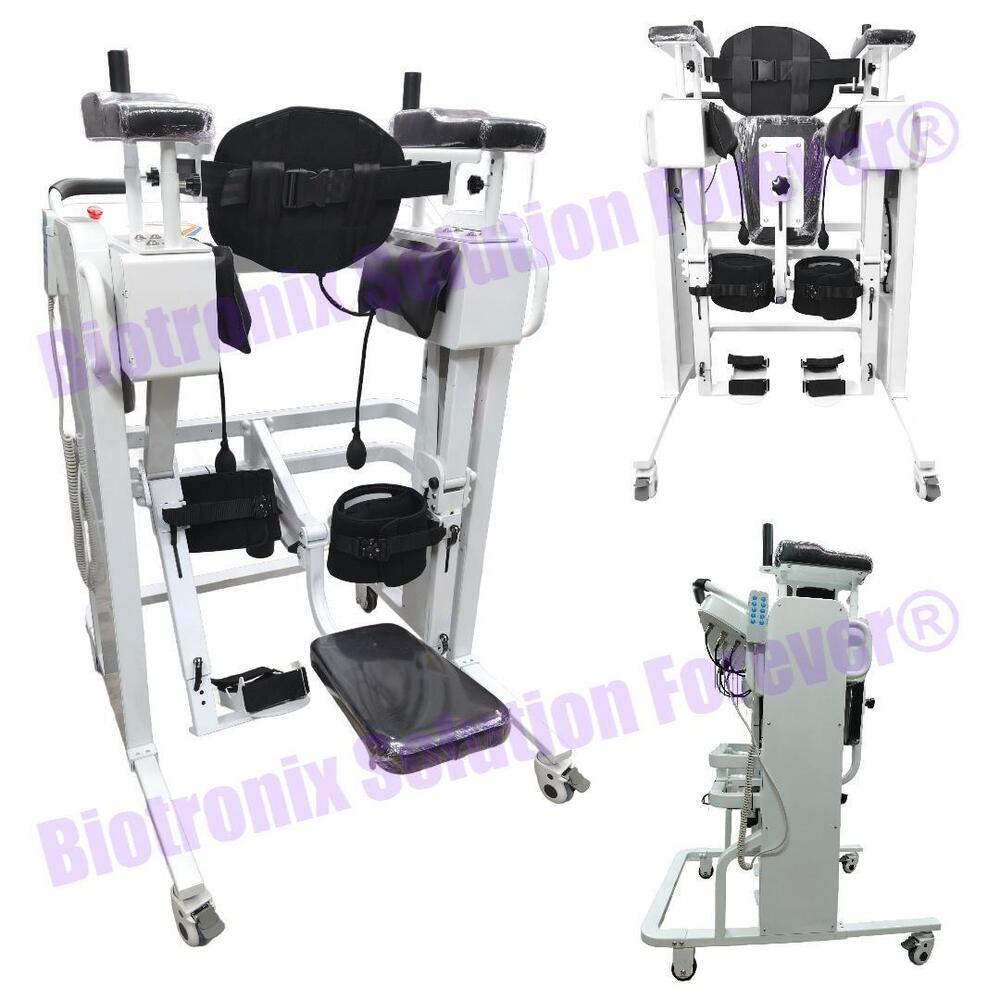
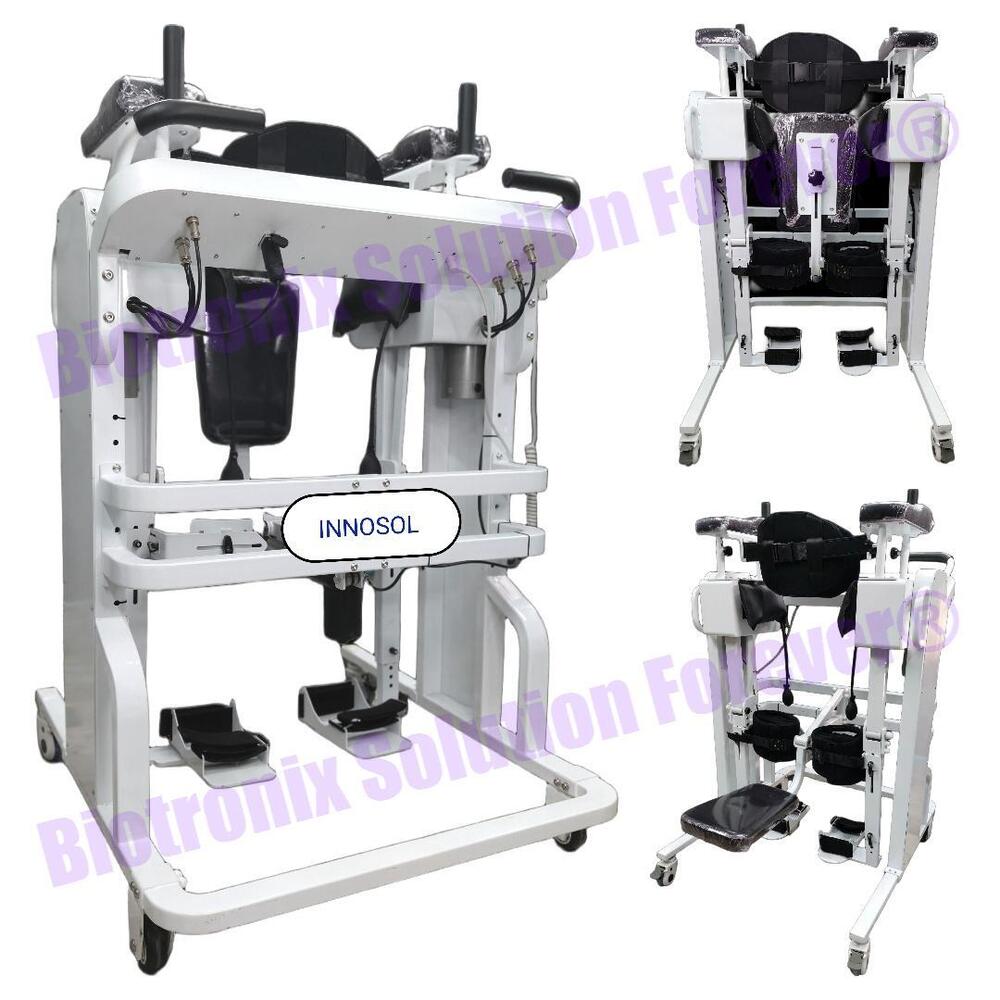
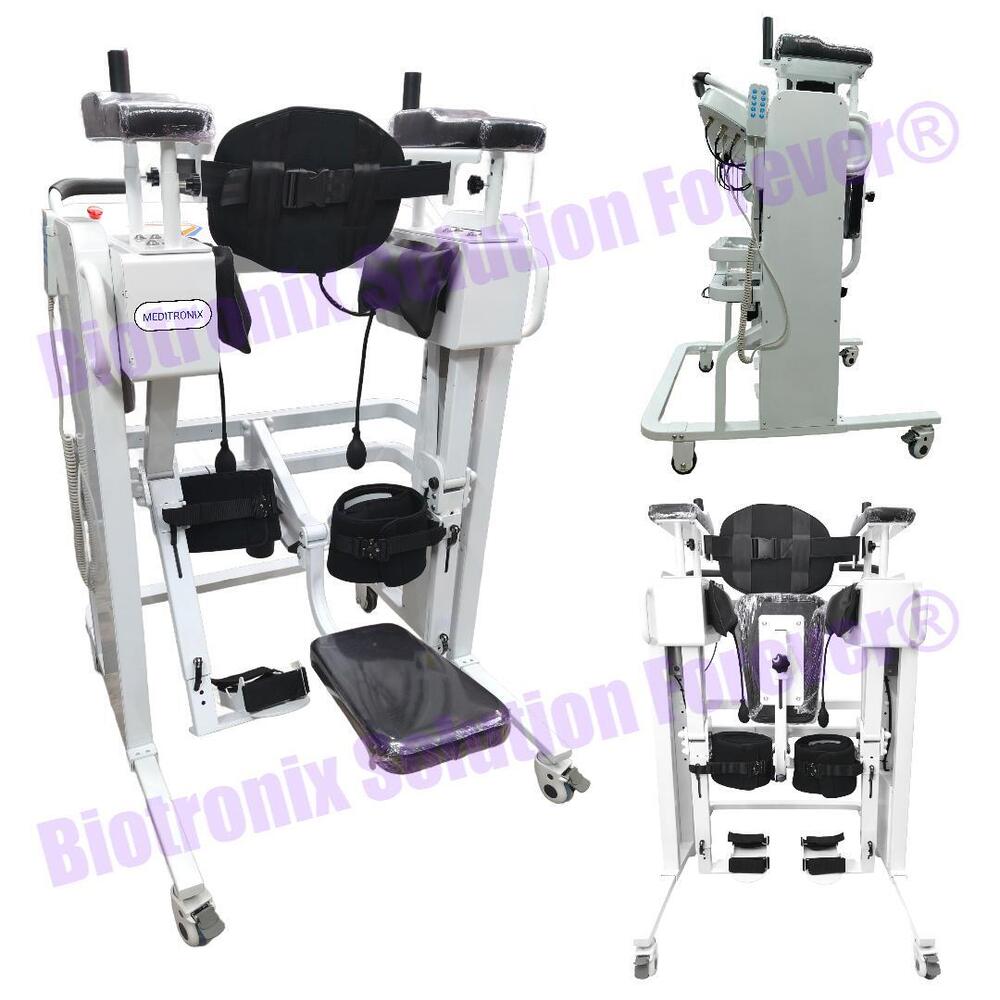
Exoskeleton-Based Rehabilitation for Improved Movement Control

Exoskeleton-Based Rehabilitation for Improved Movement Control

Price 20000 INR/ Piece

MOQ : 1 Piece

Exoskeleton-Based Rehabilitation for Improved Movement Control Specification

  • Condition
  • Physiotherapy robotic solutions
  • Accuracy
  • Wearable exoskeleton for clinical therapy mg
  • Storage Instructions
  • Robotic exoskeleton physiotherapy equipment
  • Function
  • Advanced clinical rehabilitation exoskeleton
  • Feature
  • Exoskeleton-assisted rehabilitation programs
  • Application
  • Orthopedic rehab clinic exoskeleton systems
  • Power
  • Robotic exoskeleton for clinical physiotherapy Volt (v)
  • Power Consumption
  • Wearable exoskeleton rehabilitation equipment Watt (W)
  • Wall Mounted
  • Orthopedic rehab clinic technology
  • Use
  • Advanced rehabilitation exoskeleton solutions
  • Equipment Type
  • Smart rehabilitation exoskeleton systems
  • Adhesive Type
  • Medical robotic exoskeleton technology
  • Set Contains
  • Stroke recovery clinical exoskeleton therapy
  • Suitable For Use
  • Clinical exoskeleton rehabilitation solutions
  • Shape
  • Exoskeleton systems for modern rehab clinics
  • Lighting Type
  • Advanced rehabilitation center equipment
  • Warranty
  • Neuro rehabilitation exoskeleton devices
  • Material
  • Medical exoskeleton technology
  • Color
  • Smart clinical rehabilitation exoskeletons
  • Portable
  • Neuro rehab exoskeleton systems
  • Real-Time Operation
  • Clinical rehab technology tools Week
  • Dimension (L*W*H)
  • Hospital-grade exoskeleton rehab systems Inch (in)
  • Noise Level
  • Advanced rehabilitation center solutions db
  • Capacity
  • Physiotherapy clinic robotic equipment Kg
  • Operation Mode
  • Clinical rehab technology infrastructure
  • Attributes
  • Exoskeleton technology for rehab clinics
  • Voltage
  • Exoskeleton-assisted therapy in clinics Statampere (sA)
  • Magnification Power
  • Stroke recovery clinical exoskeleton mm
  • Operating Type
  • Clinical exoskeleton therapy systems
  • Size
  • Joint mobility rehab solutions for clinics
  • Technology
  • Joint mobility clinic rehabilitation
  • Recyclable
  • No
  • Recommended For
  • Shoulder, Joints, Cervical, Back, Muscles, Nerves
  • Treatment
  • Exoskeleton-assisted clinical therapy
  • Measuring Range
  • Clinical exoskeleton rehabilitation Rankine
  • Pressure Range
  • Hospital-grade exoskeleton equipment
  • Frequency Range
  • Exoskeleton solutions for rehab centers Hertz (HZ)
  • Usage
  • Advanced clinical exoskeleton systems
  • Age Group
  • Children, Adults, Women, Elders, Infants
  • Display
  • Touch Screen
  • Power Source
  • Electric
  • Weight
  • Wearable exoskeleton for clinics Kilograms (kg)
 

Exoskeleton-Based Rehabilitation for Improved Movement Control Trade Information

  • Minimum Order Quantity
  • 1 Piece
  • FOB Port
  • New Delhi
  • Payment Terms
  • Paypal, Cash Against Delivery (CAD), Cash on Delivery (COD), Cash Advance (CA), Cash in Advance (CID), Cheque, Days after Acceptance (DA), Delivery Point (DP), Letter of Credit at Sight (Sight L/C), Telegraphic Transfer (T/T), Western Union, Letter of Credit (L/C)
  • Supply Ability
  • 1 Piece Per Day
  • Delivery Time
  • 1 Week
  • Sample Available
  • Yes
  • Sample Policy
  • Free samples available with shipping and taxes paid by the buyer
  • Packaging Details
  • as per communication
  • Main Export Market(s)
  • Asia, Australia, Central America, North America, South America, Eastern Europe, Western Europe, Middle East, Africa
  • Main Domestic Market
  • All India
  • Certifications
  • as per communication customer
 

About Exoskeleton-Based Rehabilitation for Improved Movement Control

Biotronix Exoskeleton-Based Rehabilitation for Improved Movement Control

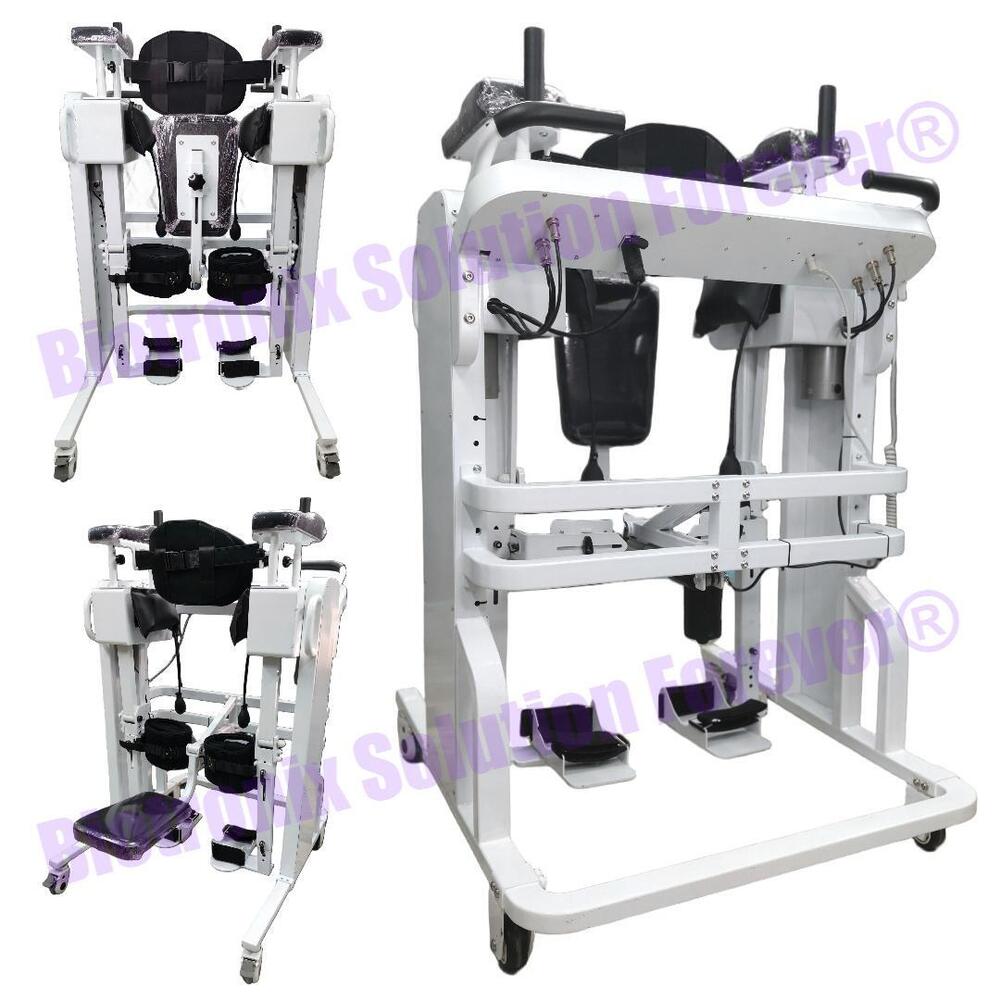
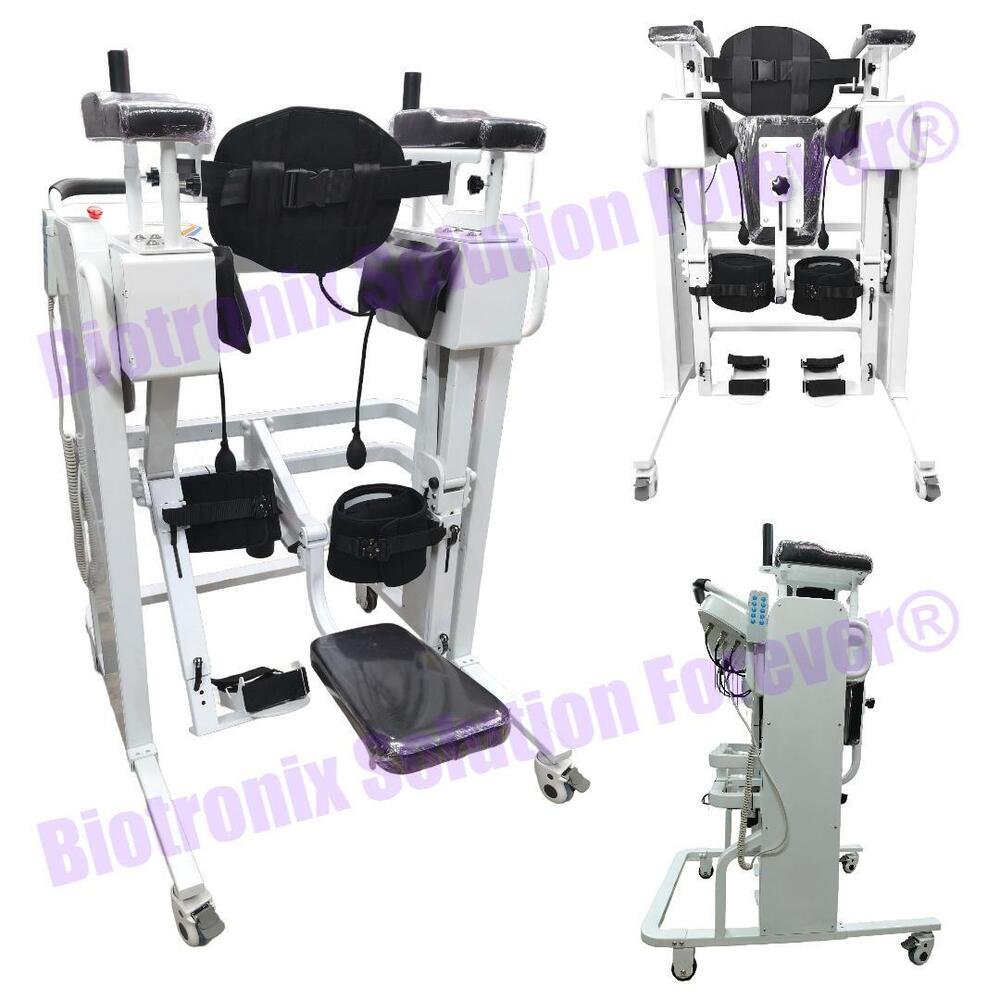
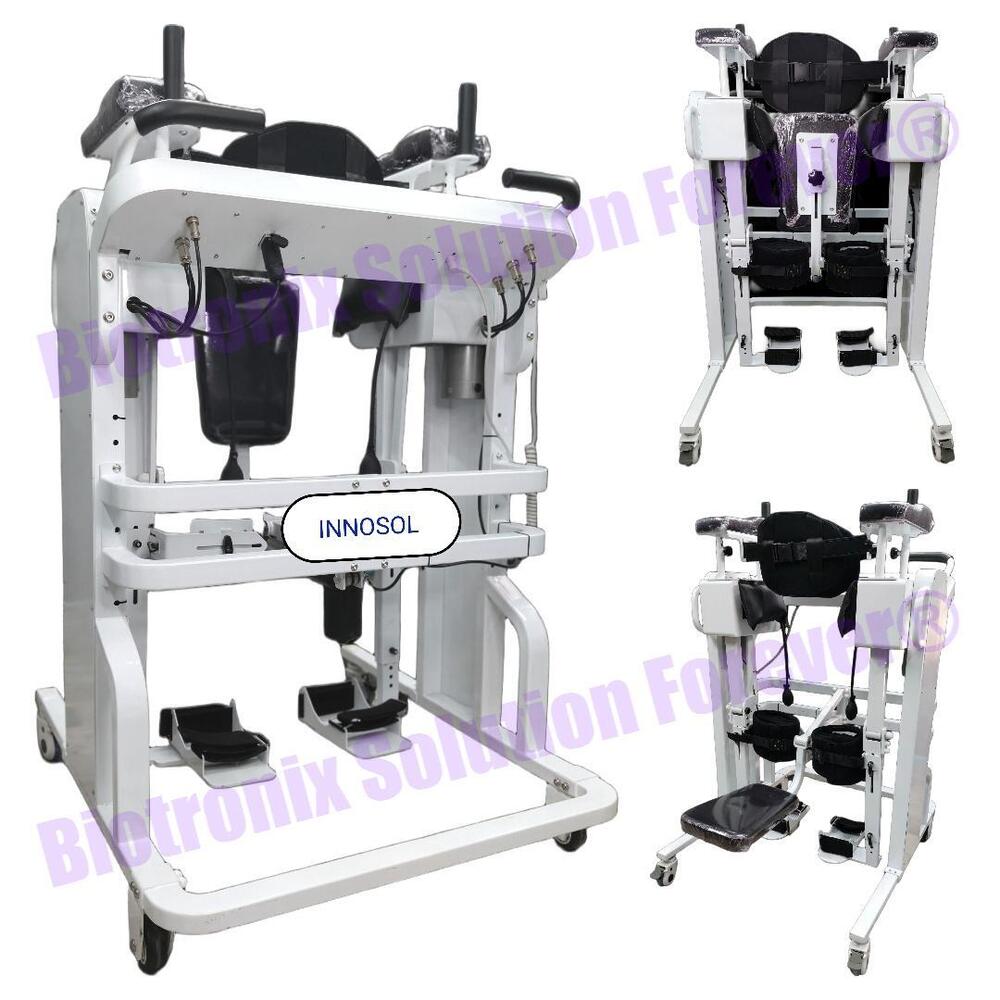
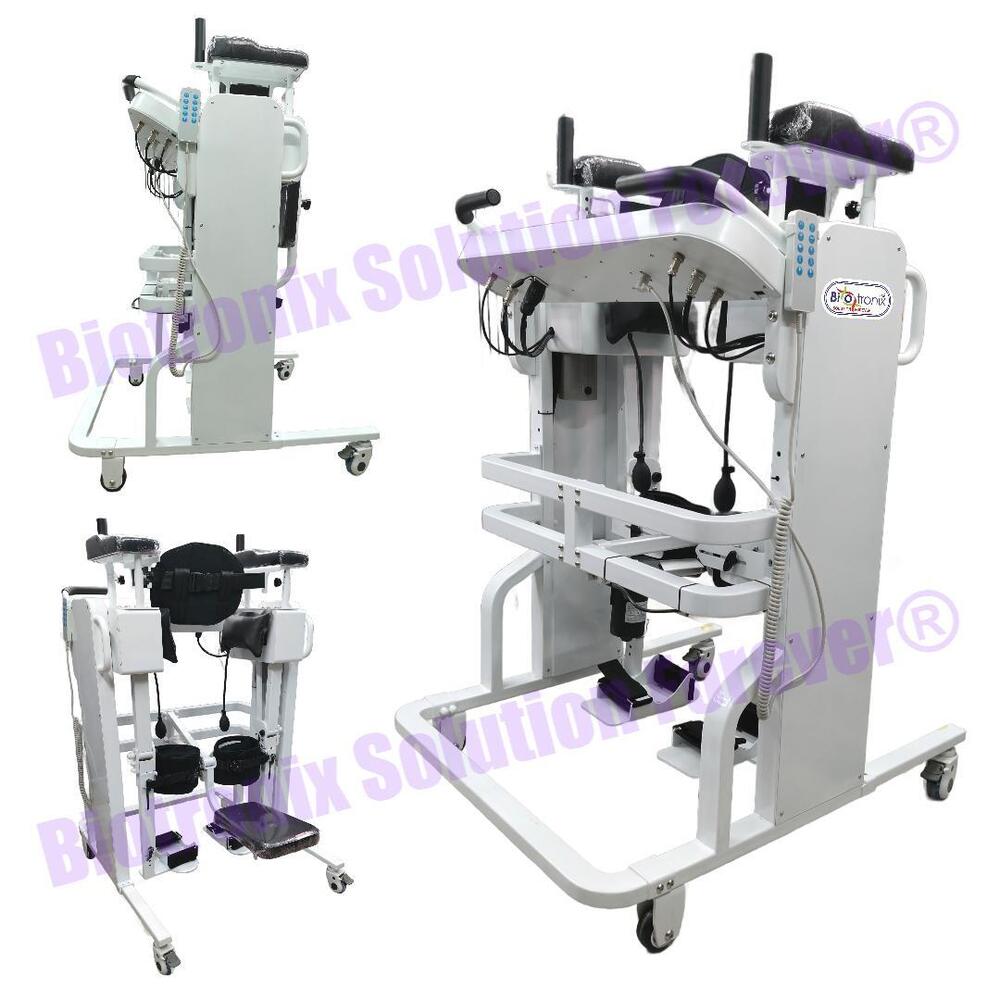
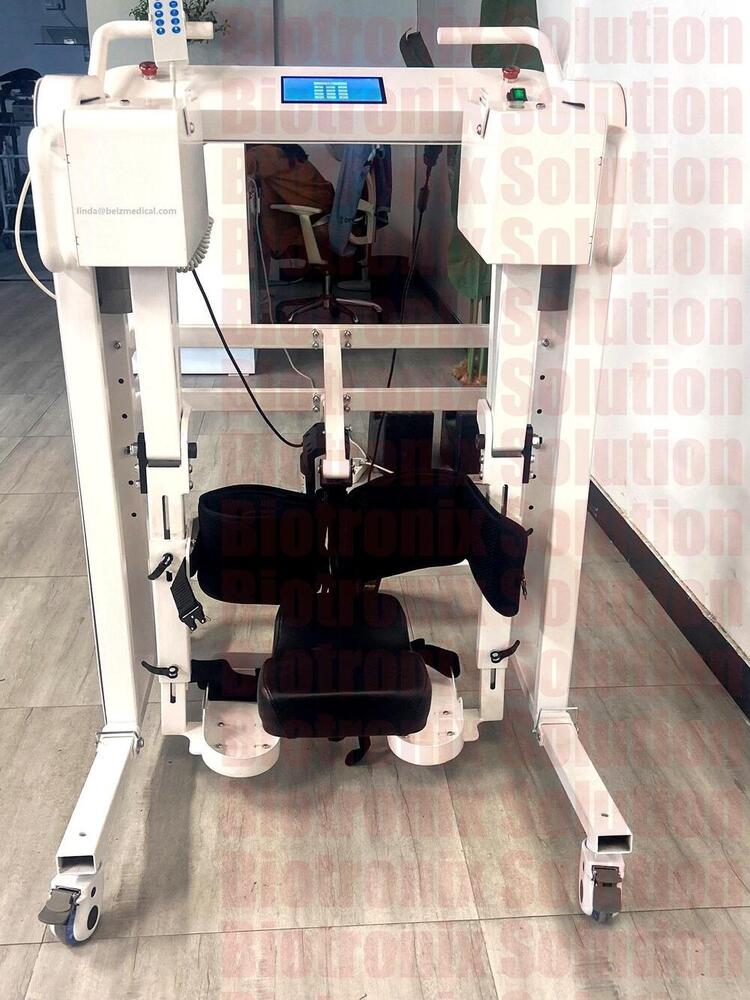
Exoskeleton-based rehabilitation is enhancing movement control by delivering precise, structured, and task-specific therapy for patients with neurological and orthopedic impairments. These wearable robotic systems are designed to guide accurate joint motion, regulate assistance and resistance, and minimize compensatory movement patterns during rehabilitation exercises. By integrating intelligent sensors, adaptive control algorithms, and clinician-guided therapy protocols, exoskeleton-based rehabilitation supports improved coordination, stability, and controlled functional movement in modern rehabilitation environments.

Key Features

  • Wearable robotic exoskeleton designed to improve movement control

  • Adaptive assistance based on patient motor control, accuracy, and recovery stage

  • Multi-joint support for hips, knees, and ankles to ensure coordinated motion

  • Real-time sensor-based control for precise regulation of speed, range, and force

  • Adjustable assistance and resistance levels for progressive control training

  • Therapist-controlled interface for customized movement control programs

  • Advanced safety systems, including emergency stop and torque limitation

  • Continuous performance monitoring for objective movement control assessment

Applications

  • Stroke rehabilitation for improving voluntary movement control and gait stability

  • Spinal cord injury rehabilitation for assisted motor coordination training

  • Neurological rehabilitation for traumatic brain injury, Parkinsonas disease, and multiple sclerosis

  • Orthopedic rehabilitation for restoring controlled joint movement after injury or surgery

  • Post-surgical rehabilitation for precise and safe movement restoration

  • Gait training, balance correction, and coordination-focused therapy programs

Benefits

  • Improves coordination, stability, and precision of movement

  • Enhances neuroplasticity through repetitive, accuracy-focused training

  • Reduces compensatory and inefficient movement patterns

  • Ensures patient safety during assisted and upright rehabilitation

  • Provides objective, data-driven insights into movement control progress

  • Reduces physical strain and workload for physiotherapists

  • Increases patient confidence, engagement, and therapy adherence

  • Supports consistent, measurable, and functional recovery outcomes

Technical Specifications

  • System type: Wearable lower-limb rehabilitation exoskeleton

  • User weight range: Approximately 40a120 kg

  • User height range: Approximately 150a195 cm

  • Assisted joints: Hip (2 degrees of freedom), Knee (1 degree of freedom), Ankle (1 degree of freedom per side)

  • Actuation system: High-torque brushless DC motors with integrated torque sensors

  • Control system: Intelligent adaptive control with real-time feedback algorithms

  • Power supply: Rechargeable lithium-ion battery pack

  • Battery backup: Approximately 3a5 hours of continuous operation

  • Charging time: Approximately 2a3 hours

  • Training modes: Passive, assisted, active-assist, resistive, adaptive

  • Sensor system: IMU sensors, joint encoders, force and torque sensors

  • Safety features: Emergency stop button, torque limiters, mechanical braking system

  • Connectivity: Bluetooth, Wi-Fi, USB data export

  • Compliance: Medical device certifications (model dependent)

  • Operating temperature: 10AC to 40AC

  • Storage temperature: a20AC to 60AC


exoskeleton-based rehabilitation, movement control rehabilitation exoskeleton, robotic movement control therapy, wearable exoskeleton rehabilitation system, physiotherapy exoskeleton system, neurological rehabilitation exoskeleton, orthopedic rehabilitation exoskeleton, robotic gait training device, precision movement rehabilitation technology, advanced rehabilitation robotics, medical rehabilitation exoskeleton
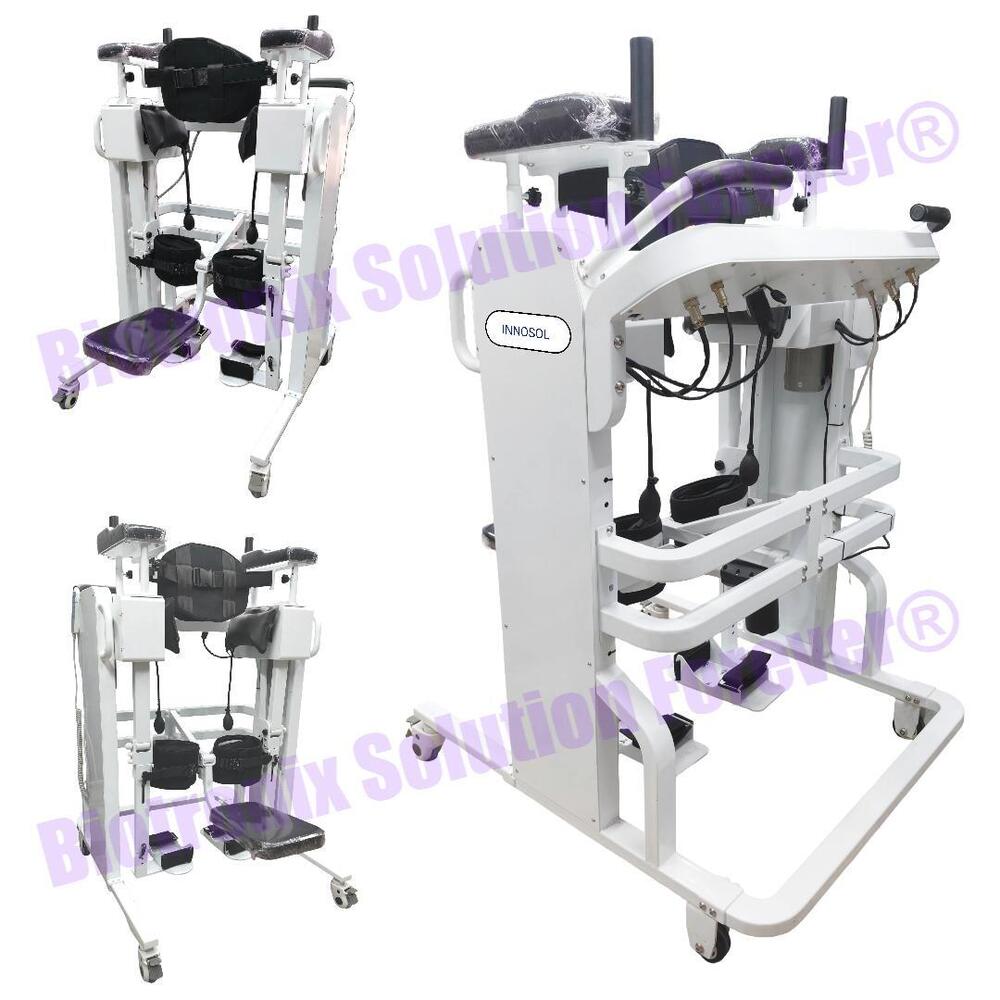
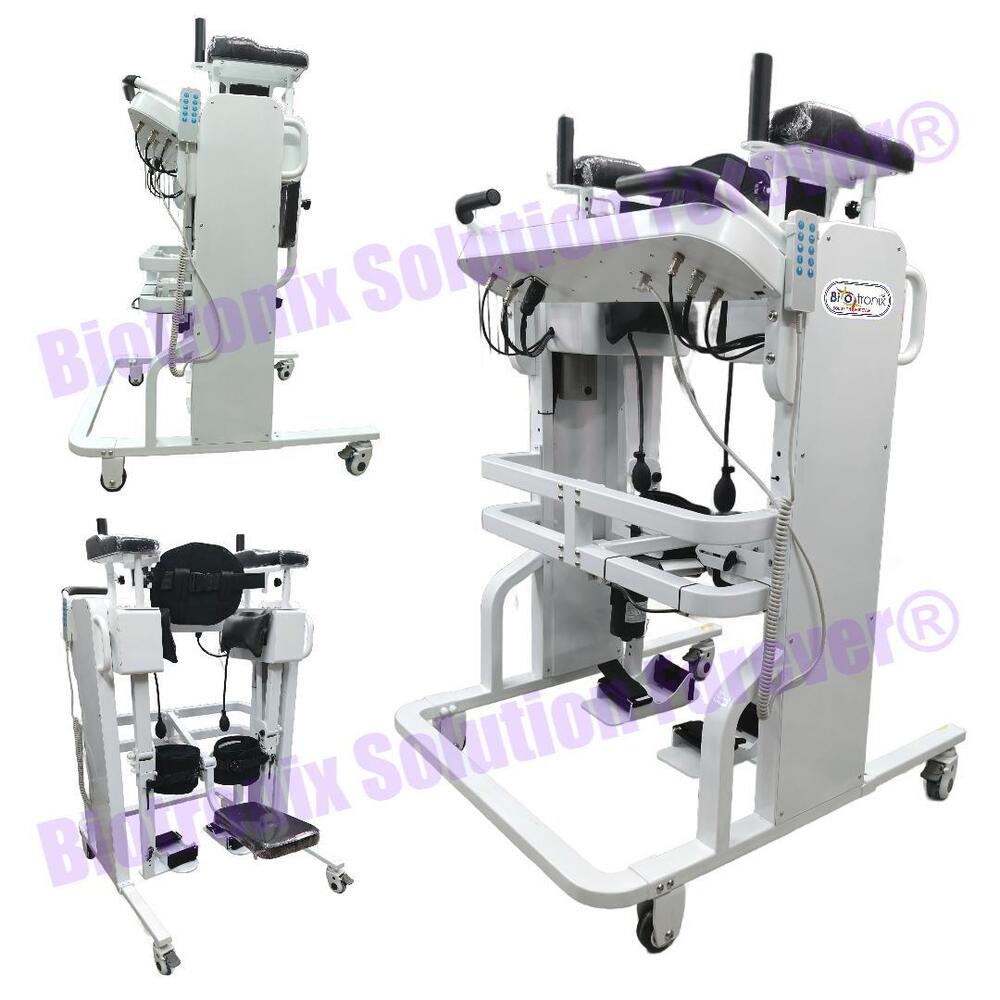
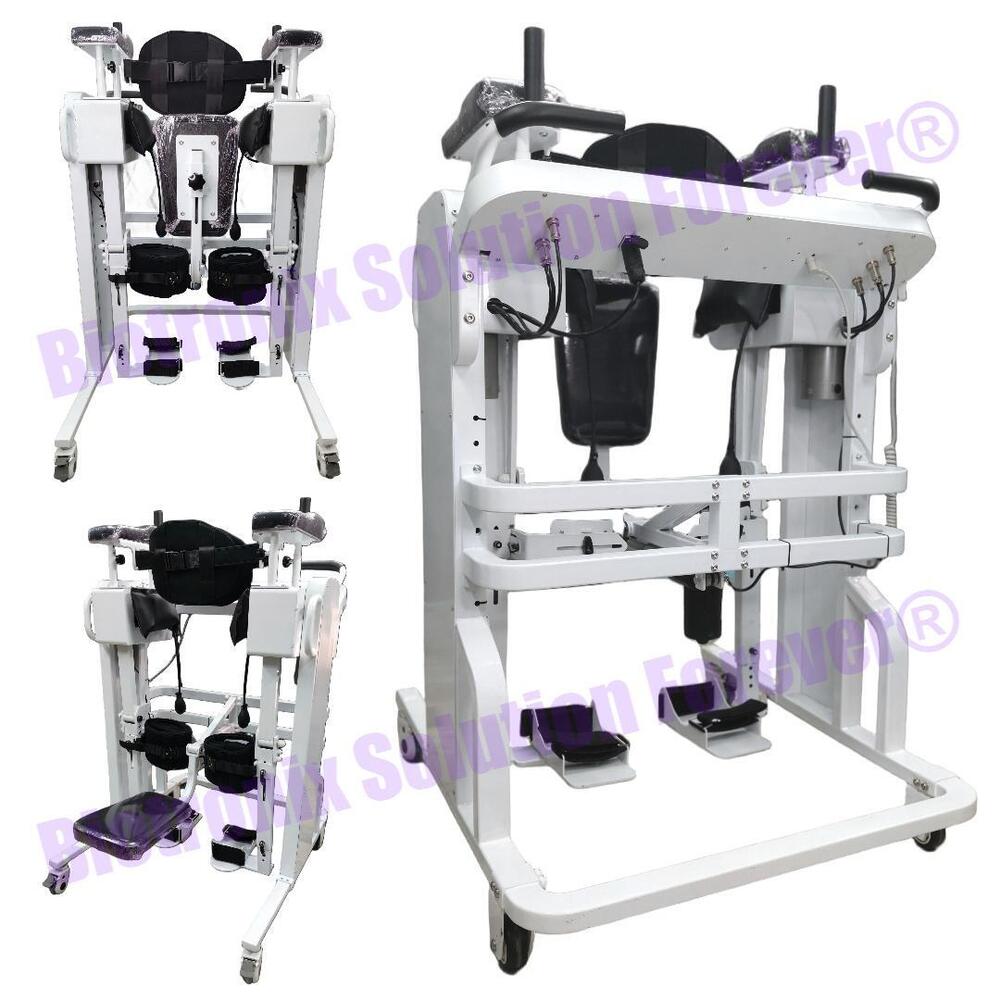
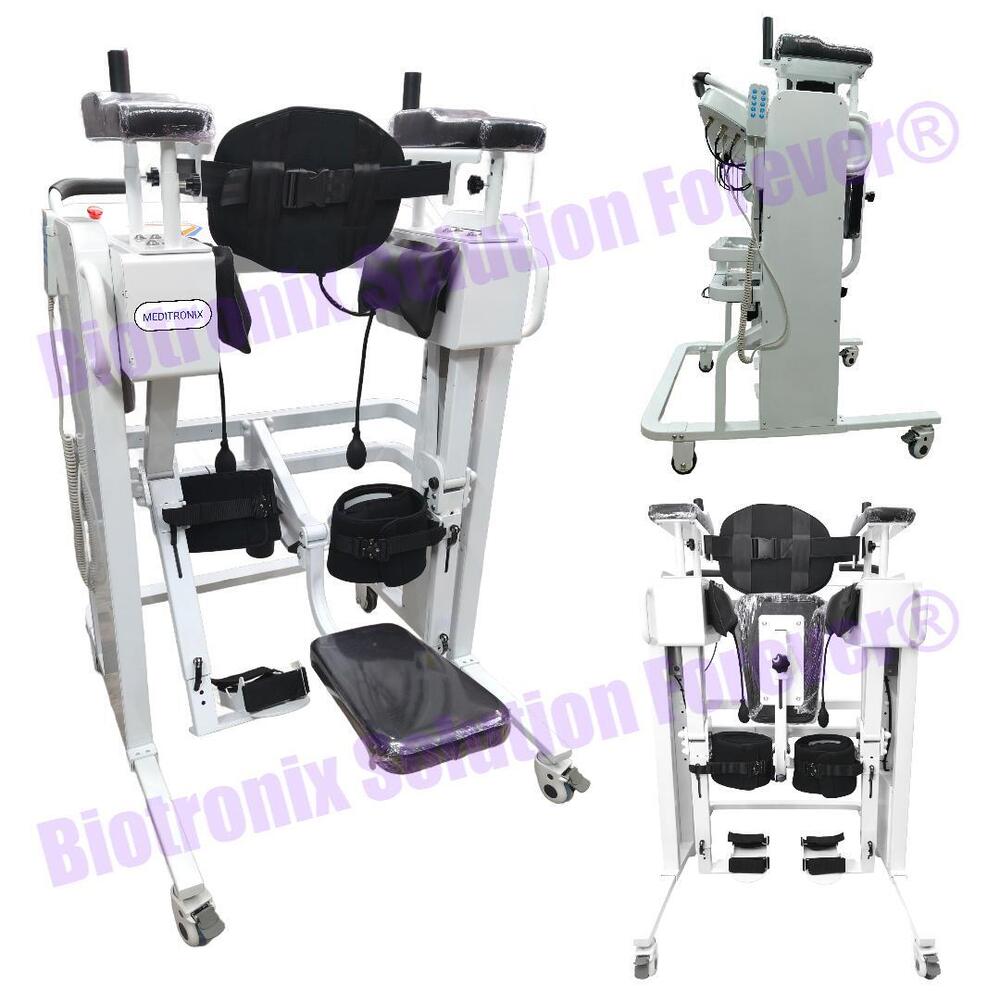
Transforming Rehabilitation with Exoskeleton Technology

This advanced exoskeleton system brings digital precision and real-time feedback to orthopedic and neuro rehabilitation. Clinicians can tailor therapy for joint mobility, stroke recovery, and chronic pain. Easy-to-operate controls and hospital-grade calibration ensure optimal usage in clinical environments, enhancing patient safety and maximizing rehabilitation results through targeted programs.


Wide Application and Patient Compatibility

Suitable for ages from infants to elders, this robotic solution adapts to various physical conditions. Whether for shoulders, back, cervical issues, or muscular and nerve injuries, its design supports personalized therapy plans. Its universal fit and portability allow integration across multiple treatment rooms or locations within hospital and physiotherapy networks.

FAQ's of Exoskeleton-Based Rehabilitation for Improved Movement Control:


Q: How does exoskeleton-based rehabilitation technology assist with movement control in clinical settings?

A: This robotic exoskeleton offers real-time movement assistance by replicating natural joint motion, supporting patients' limbs during rehabilitation. It is digitally calibrated to enhance joint flexibility, muscle strength, and nerve response, ultimately improving movement control for stroke and injury recovery.

Q: What is the recommended process for using this exoskeleton in a rehabilitation clinic?

A: First, a clinician evaluates the patient's condition, chooses an appropriate therapy program on the touch screen display, and fits the exoskeleton for optimal support. The device is then activated, guiding the patient through specific rehab exercises while monitoring progress. Regular sessions yield best results.

Q: When is it advisable to use this exoskeleton system for patient care?

A: The exoskeleton is suitable for post-stroke rehabilitation, joint injuries, nerve damage, and chronic musculoskeletal conditions. It can be introduced once initial medical stabilization is achieved, and when a healthcare professional determines the patient would benefit from advanced movement support.

Q: Where can this exoskeleton rehabilitation equipment be utilized?

A: This product is designed for use in physiotherapy clinics, neuro-rehabilitation centers, orthopedic hospitals, and specialized care facilities. Its portable nature allows easy movement between rooms or departments, while wall-mounting capability suits fixed clinical setups.

Q: What are the main benefits of implementing exoskeleton-assisted therapy in a clinic?

A: Exoskeleton-based therapy offers enhanced precision in joint mobility exercises, consistent assistance for therapists, faster rehabilitation progress, and greater patient engagement. The digital system enables real-time adjustment, improving therapeutic outcomes with reliable and reproducible movements.

Q: How should the exoskeleton equipment be stored and maintained?

A: Store the device in a dedicated clinical storage area, safeguarding it from moisture and dust. Regularly clean the plastic surfaces and inspect electronic components for functionality. Follow manufacturer guidelines for calibration and maintenance to ensure longevity.

Q: What safety features ensure the exoskeleton's reliable operation during therapy?

A: The exoskeleton features wearable sensors for real-time monitoring, adjustable pressure settings, and hospital-grade components to minimize risk. Its smart digital controls and robust build guarantee safe and effective therapy, meeting clinical standards for both adult and pediatric use.

Tell us about your requirement
product

Price:

Quantity
Select Unit

  • 50
  • 100
  • 200
  • 250
  • 500
  • 1000+
Additional detail
Mobile number

Email

More Products in Physiotherapy Equipment Category

Professional Focused Shockwave Therapy Device for Tendon and Nerve Pain

Professional Focused Shockwave Therapy Device for Tendon and Nerve Pain

Price 20000 INR / Piece

Minimum Order Quantity : 1 Piece

Material : Deep tissue therapy machine

Pressure Range : Focused extracorporeal shockwave therapy

Measuring Range : Focused shockwave therapy device Rankine

Usage : Focused ESWT physiotherapy equipment

Professional Motorized Ankle CPM For Hospital And Clinic Use

Professional Motorized Ankle CPM For Hospital And Clinic Use

Price 10000 INR / Piece

Minimum Order Quantity : 1 Piece

Material : ankle physiotherapy unit

Pressure Range : ankle rehab equipment

Measuring Range : professional motorized ankle cpm Rankine

Usage : clinic ankle physiotherapy device

Premium Electrical Wrist CPM Machine for Physiotherapy and Rehabilitation Use

Premium Electrical Wrist CPM Machine for Physiotherapy and Rehabilitation Use

Price 10000 INR / Piece

Minimum Order Quantity : 1 Piece

Material : orthopedic wrist cpm rehabilitation machine

Pressure Range : hospital grade wrist physiotherapy equipment

Measuring Range : premium electrical wrist cpm machine Rankine

Usage : continuous passive motion wrist therapy machine

Portable 980nm Diode Laser Therapy Device 10W Power for Clinical Physiotherapy Use

Portable 980nm Diode Laser Therapy Device 10W Power for Clinical Physiotherapy Use

Price 20000.0 INR / Piece

Minimum Order Quantity : 1 Piece

Material : Class IV Laser Therapy for Rehabilitation

Pressure Range : Deep Tissue Laser Therapy Machine

Measuring Range : Portable 980nm Diode Laser Therapy Device Rankine

Usage : Class 4 Laser Therapy Device