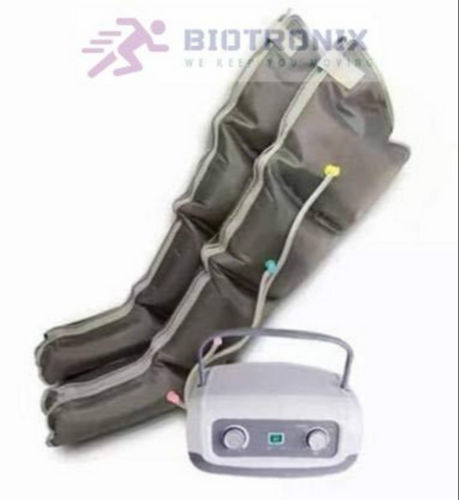
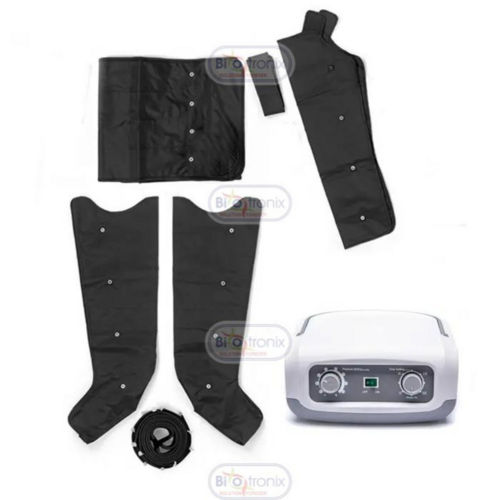
FAQ's of Compression Therapy Pump for Lymphedema Digital DVT Compression Therapy Device:
Q: How does the compression therapy pump work for lymphedema and DVT prevention?
A: This pump uses four pneumatic chambers to alternately inflate and deflate, creating pressure waves that stimulate blood flow and lymphatic drainage. This process helps reduce swelling, prevent blood clots, and promote healing in targeted areas.
Q: What is the recommended age range for using this device?
A: The device is versatile and suitable for all age groups, including infants, children, adults, women, and elderly patients. It offers adjustable settings to match specific therapeutic needs across different ages.
Q: When should this compression therapy pump be used during treatment?
A: It is typically used during rehabilitation sessions or under a physician's recommendation, especially for individuals at risk of lymphedema, DVT, or needing enhanced circulation in the shoulders, joints, back, or muscles.
Q: Where is this compression therapy device commonly used?
A: This pneumatic compression machine is primarily designed for hospitals and clinical environments, where professional medical supervision ensures its safe and effective application.
Q: What benefits does this pump offer compared to traditional therapies?
A: The device delivers precise, consistent compression cycles, enhancing blood and lymphatic circulation more efficiently than manual massage. Its design supports multiple body regions, reduces treatment times, and minimizes risk of complications.
Q: How should the compression therapy pump be used for optimal results?
A: After placing the inflatable sleeves on the targeted body part, clinicians set the desired frequency and pressure based on patient needs. The machine then automatically alternates compression, ensuring comfortable yet effective therapy.
Q: Is the device environmentally friendly or recyclable?
A: While the device is not recyclable, its durable plastic construction ensures long-term use with proper maintenance, reducing frequent replacement and waste.