Advanced Walking Assistance Exoskeleton for Neurological Recovery About
Biotronix Advanced Walking Assistance Exoskeleton for Neurological Recovery
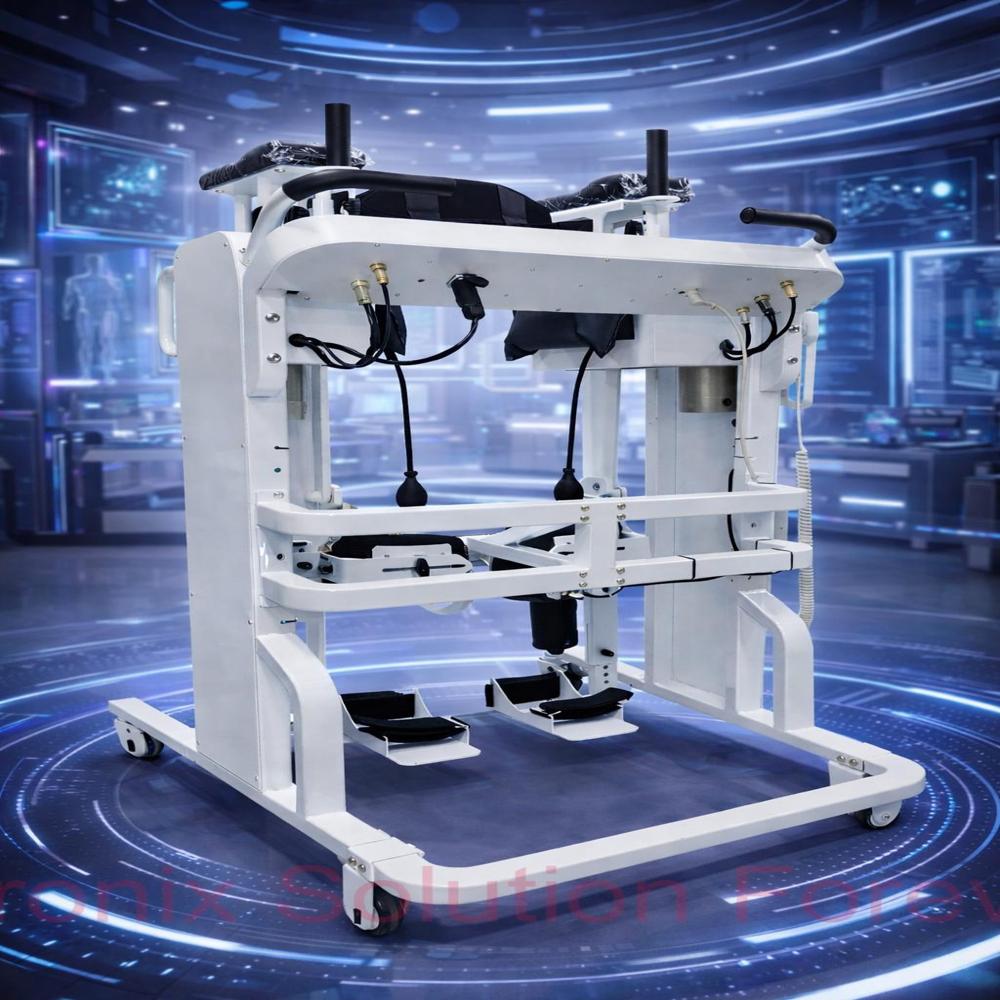
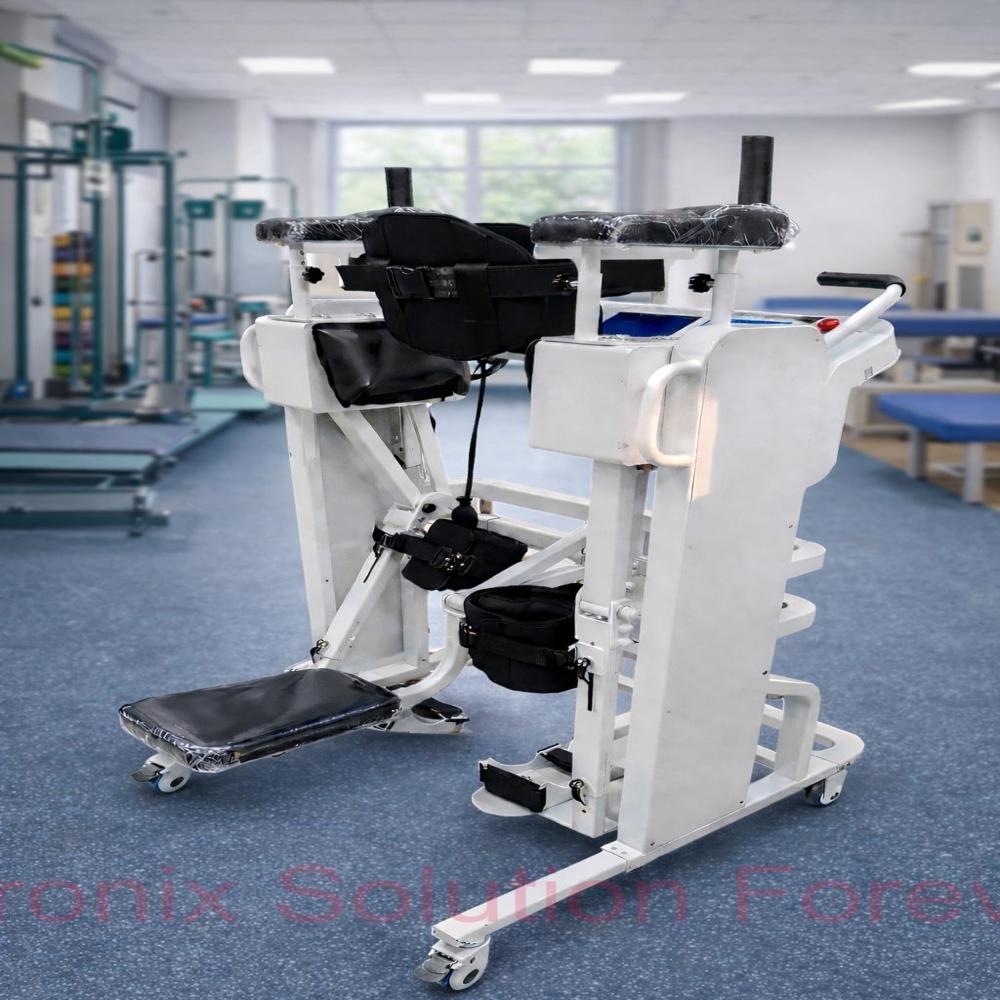
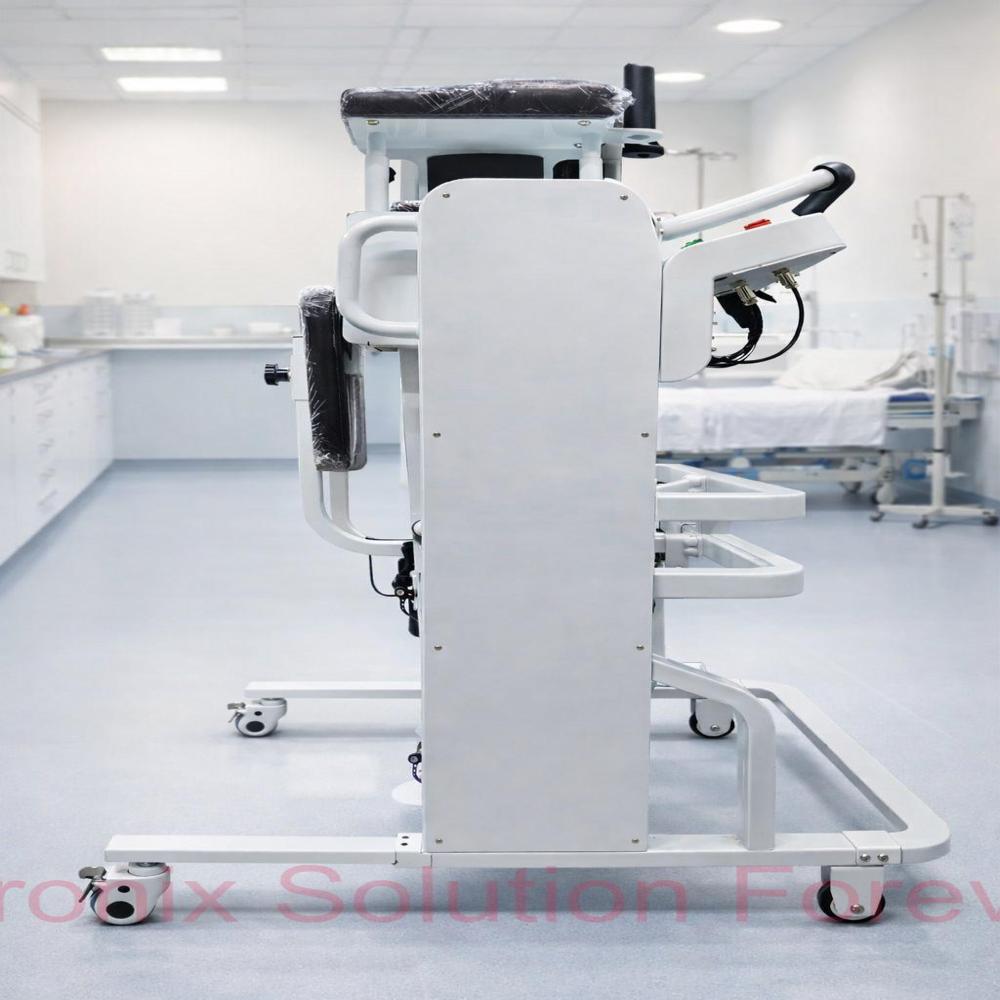
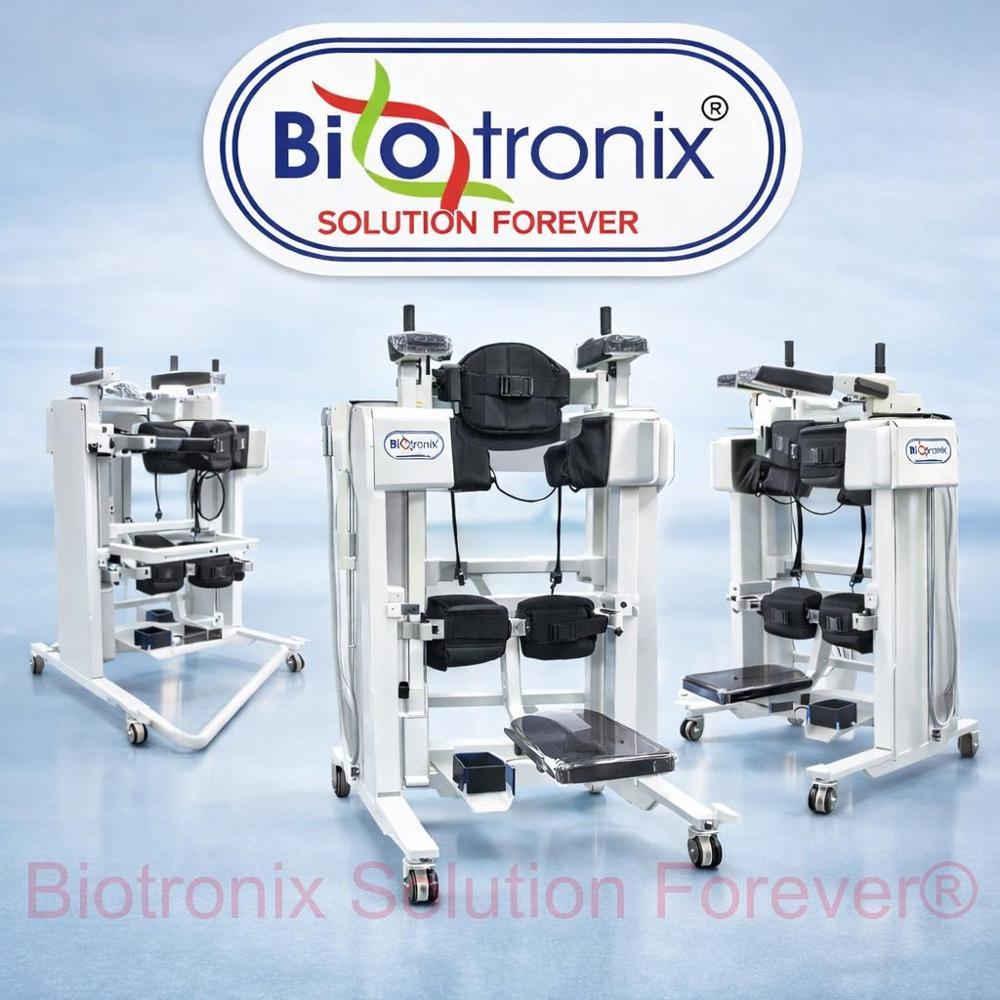
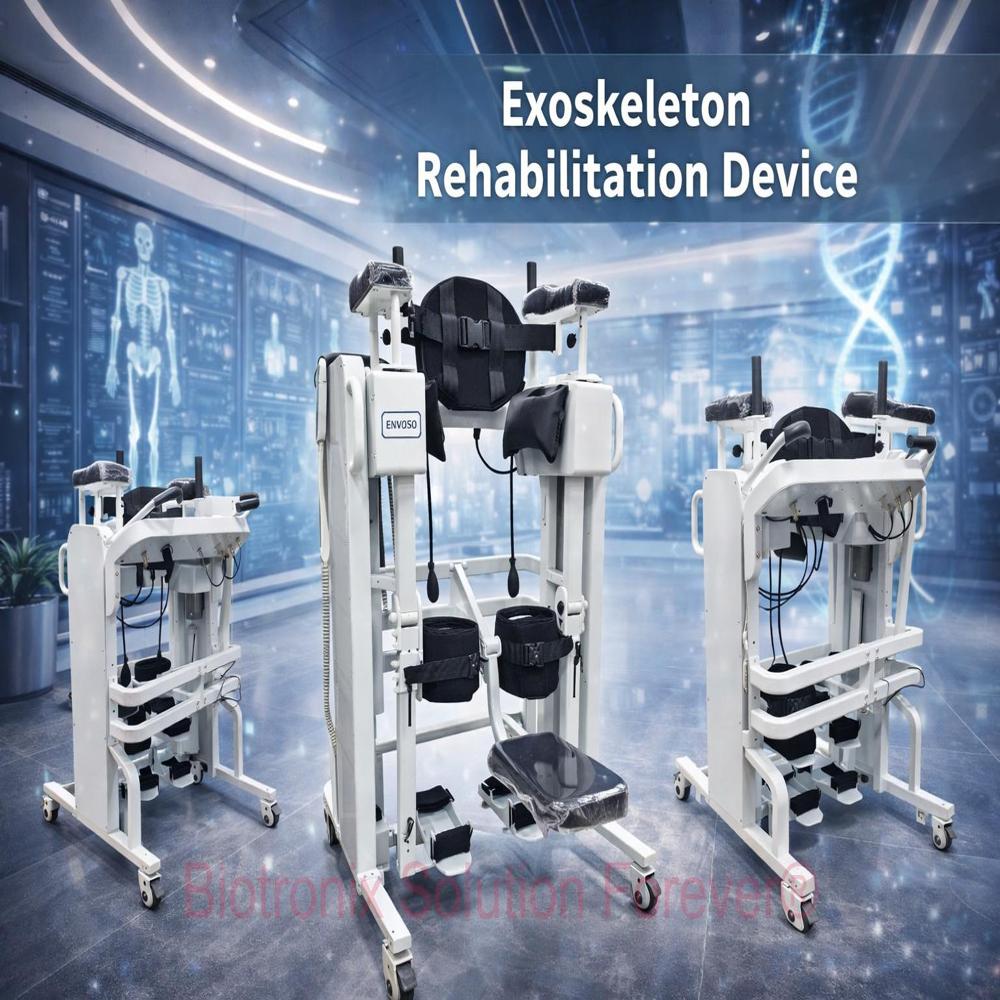
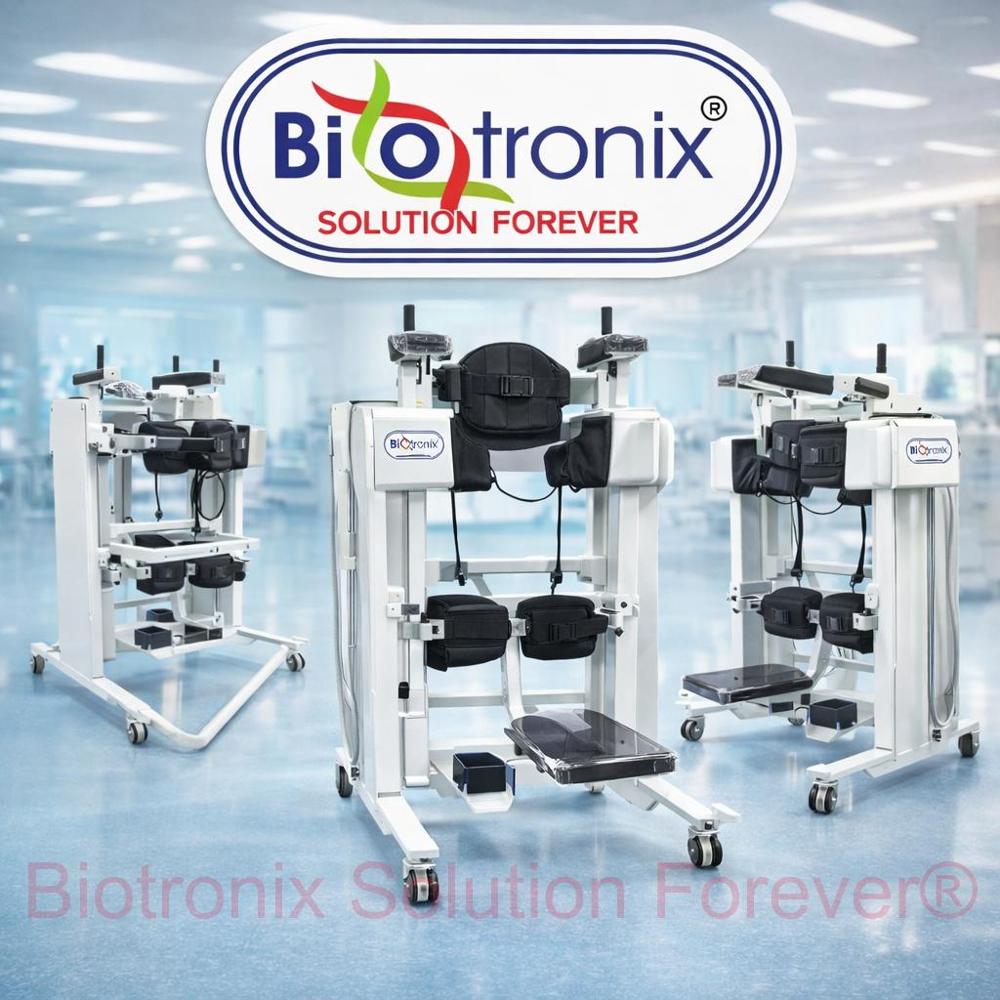
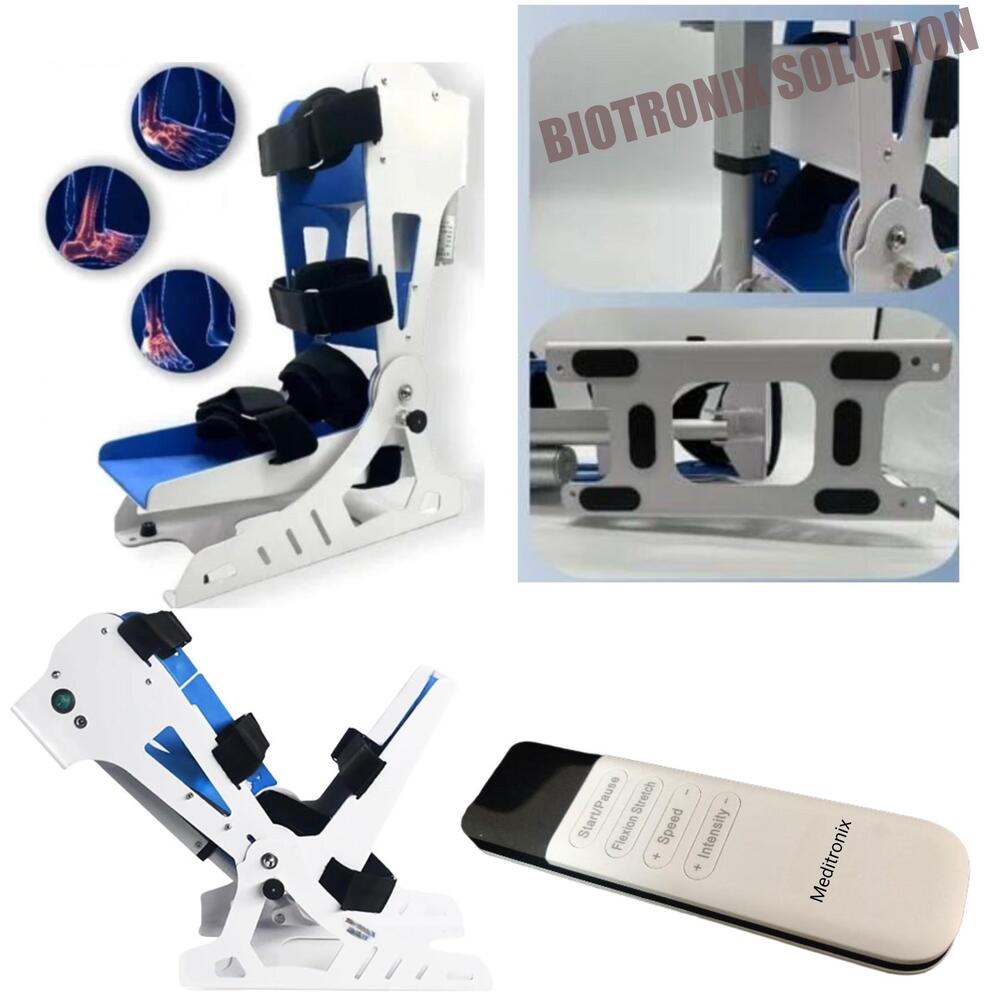
The Advanced Walking Assistance Exoskeleton for Neurological Recovery is a state-of-the-art robotic rehabilitation system designed to assist patients with impaired mobility in regaining walking ability, balance, coordination, and lower limb function. Utilizing advanced robotic exoskeleton technology, intelligent motion control systems, and gait training assistance, this innovative rehabilitation solution supports neurological recovery through repetitive, guided walking exercises that promote functional movement and neuroplasticity.
Developed for rehabilitation hospitals, physiotherapy clinics, neurological recovery centers, stroke rehabilitation facilities, spinal cord injury units, orthopedic rehabilitation departments, and healthcare institutions, this advanced exoskeleton system enables healthcare professionals to provide highly effective mobility training while ensuring patient safety and comfort.
The robotic walking assistance technology helps guide natural gait patterns, supports weight-bearing exercises, and encourages proper walking mechanics. Patients recovering from stroke, spinal cord injuries, traumatic brain injuries, cerebral palsy, multiple sclerosis, Parkinsons disease, and other neurological conditions can benefit from structured and repetitive rehabilitation sessions designed to improve mobility and independence.
Equipped with intelligent control systems, adjustable support mechanisms, safety harnesses, ergonomic patient positioning, and therapist-operated controls, the device provides a secure rehabilitation environment for comprehensive gait and balance training. The exoskeleton system reduces therapist workload while increasing training intensity and consistency, leading to improved rehabilitation outcomes.
Key Features
- Intelligent Walking Assistance System
- Neurological Rehabilitation Support
- Lower Limb Mobility Training
- Robotic Gait Training Programs
- Body Weight Supported Walking Therapy
- Adjustable Robotic Assistance Levels
- Intelligent Motion Control Technology
- Balance and Coordination Training
- Therapist-Controlled Operation
- Integrated Safety Harness System
- Ergonomic Patient Support Design
- Functional Walking Rehabilitation
- Repetitive Gait Training Programs
- User-Friendly Control Interface
- Heavy-Duty Medical Grade Construction
- Enhanced Patient Safety Features
- Suitable for Continuous Clinical Applications
Benefits
- Supports Neurological Recovery Programs
- Improves Walking Ability and Mobility
- Enhances Gait Training Outcomes
- Promotes Functional Independence
- Improves Balance and Stability
- Supports Lower Limb Strengthening
- Encourages Neuroplasticity Development
- Improves Coordination and Motor Control
- Assists Stroke Rehabilitation
- Supports Spinal Cord Injury Recovery
- Enhances Patient Confidence During Walking
- Increases Rehabilitation Efficiency
- Reduces Therapist Physical Effort
- Supports Long-Term Recovery Goals
- Improves Overall Quality of Life
Applications
- Rehabilitation Hospitals
- Physiotherapy Clinics
- Neurological Recovery Centers
- Stroke Rehabilitation Facilities
- Orthopedic Rehabilitation Centers
- Spinal Cord Injury Units
- Healthcare Institutions
- Physical Therapy Departments
- Mobility Recovery Clinics
- Advanced Rehabilitation Facilities
Technical Specifications
- Product Name: Advanced Walking Assistance Exoskeleton
- Technology: Robotic Gait Rehabilitation Technology
- Device Type: Neurological Recovery System
- Training Mode: Assisted Walking and Mobility Training
- Control System: Intelligent Digital Control Interface
- Support Mechanism: Body Weight Support System
- Mobility Function: Lower Limb Rehabilitation
- Walking Assistance: Adjustable Robotic Guidance
- Safety System: Integrated Safety Harness
- Therapy Programs: Multiple Rehabilitation Modes
- Patient Adjustment: Customizable Support Settings
- Construction Material: Medical-Grade Heavy-Duty Frame
- Clinical Application: Neurological and Orthopedic Rehabilitation
- User Interface: Therapist Control Panel
- Mobility Training: Gait and Balance Rehabilitation
- Safety Features: Emergency Stop and Protection System
- Operation Type: Continuous Professional Use
- Rehabilitation Focus: Walking Recovery and Functional Mobility
- Usage Environment: Hospitals and Rehabilitation Centers
- Professional Application: Advanced Mobility Rehabilitation
Advanced Walking Assistance Exoskeleton, Robotic Exoskeleton Rehabilitation System, Neurological Recovery Equipment, Walking Rehabilitation Device, Robotic Gait Training Machine, Stroke Rehabilitation Equipment, Mobility Recovery System, Lower Limb Rehabilitation Robot, Walking Assistance Therapy Device, Neuro Rehabilitation Equipment, Robotic Mobility Training System
Cutting-Edge Robotic RehabilitationThis exoskeleton employs microprocessor-controlled, intelligent technology to deliver personalized gait training regimens. It is tailored for neurological recovery following stroke, paralysis, or traumatic brain injury, enhancing patient outcomes by ensuring precise movement and adaptive support. The design prioritizes both user comfort and clinical effectiveness, making it a superior choice for modern rehabilitation.
Versatile and User-Friendly DesignWith its ergonomic exoskeleton form factor and touch-screen interface, this device delivers a seamless user experience. It accommodates a wide range of age groups and body types, supporting up to 100 kg. Portable and easy to store, it is well-suited for deployment in clinics, hospitals, and specialist neurological centers.
Safety and Precision at Its CoreThe exoskeleton incorporates an emergency stop button, safety lock, and overload protection for secure operation. It delivers accurate weight-bearing support (1% accuracy) and low noise functioning, creating a comfortable therapeutic environment. Multiple preset programs enable customized protocols for various rehabilitation needs.
FAQ's of Advanced Walking Assistance Exoskeleton for Neurological Recovery:
Q: How does the Advanced Walking Assistance Exoskeleton aid in neurological recovery?
A: The exoskeleton uses intelligent robotic gait training to assist patients with neurological conditions in regaining walking ability. It supports accurate and adaptive movement, provides real-time feedback, and is tailored to individual rehabilitation protocols, enhancing neuroplasticity and functional independence.
Q: What is the recommended process for using this exoskeleton in rehabilitation?
A: Patients are typically assessed by clinicians, who select appropriate preset programs on the touch screen based on individual needs. The device is then adjusted for body size and weight support, ensuring safety through emergency and overload protection features. Regular supervised sessions allow progressive gait training and recovery.
Q: When can this exoskeleton be used during the rehabilitation journey?
A: The device is suitable for use from early to advanced stages of recovery, particularly after events such as stroke, paralysis, or traumatic brain injury. It is designed for ongoing rehabilitation to support regaining functional mobility and independence.
Q: Where can this robotic exoskeleton be utilized effectively?
A: It is ideal for hospitals, physiotherapy clinics, rehabilitation centers, neurological centers, and sports medicine facilities. Its portable design allows for deployment in various healthcare environments where advanced gait training and neurological recovery are required.
Q: What are the primary benefits of using this advanced exoskeleton for walking rehabilitation?
A: Key benefits include improved walking pattern correction, enhanced weight-bearing capability, increased functional independence, and precise, adaptive training with 1% accuracy. The device also ensures a safe environment with low noise and advanced safety mechanisms.
Q: How does the exoskeleton ensure patient safety during operation?
A: Safety is prioritized with built-in emergency stop buttons, safety locks, and overload protection. The device is engineered to provide stable support throughout therapy and features low noise operation to maintain patient comfort.
Q: Who is suitable for using this device, and what age groups does it accommodate?
A: The exoskeleton is suitable for children, adults, women, elders, and even infants within the specified size and weight range (up to 100 kg). It is recommended for individuals requiring rehabilitation of the shoulders, joints, back, nerves, and muscles after neurological events.






 Send Inquiry
 Send Inquiry
 Send Inquiry
 Send SMS
 Call Me Free