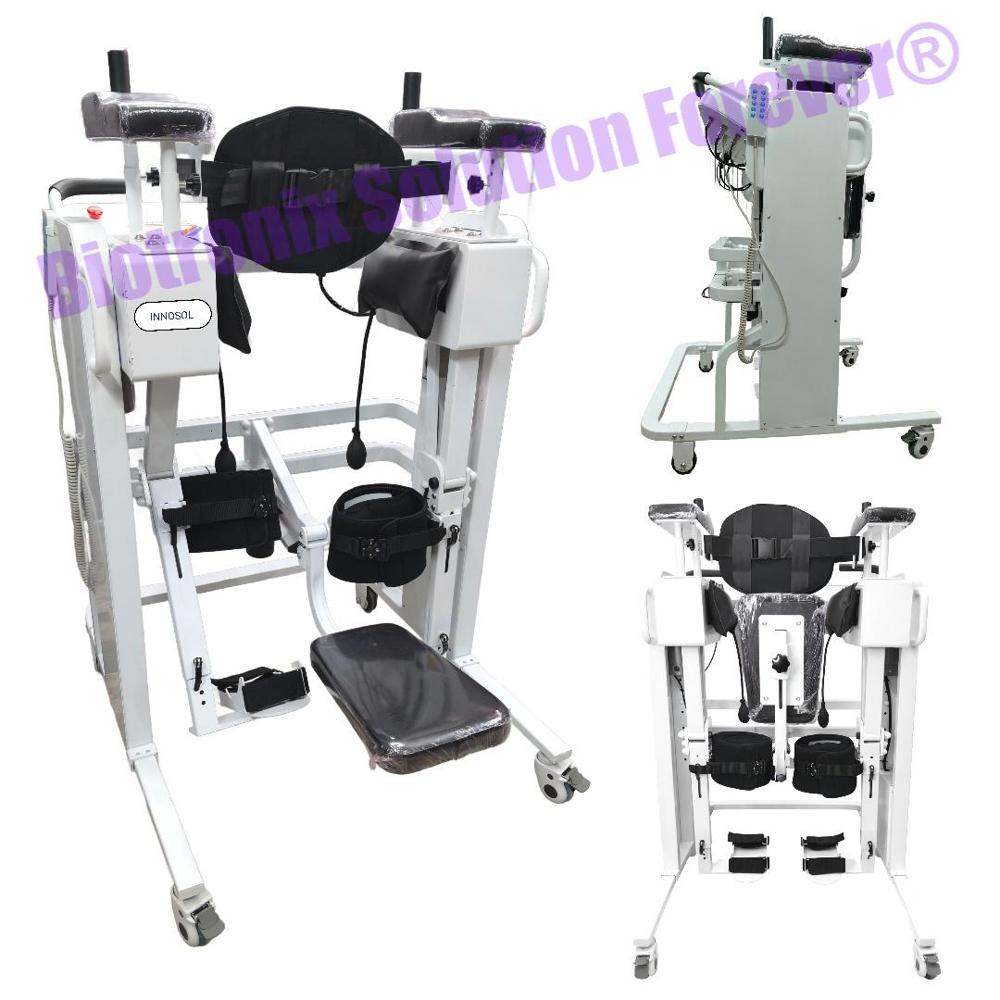
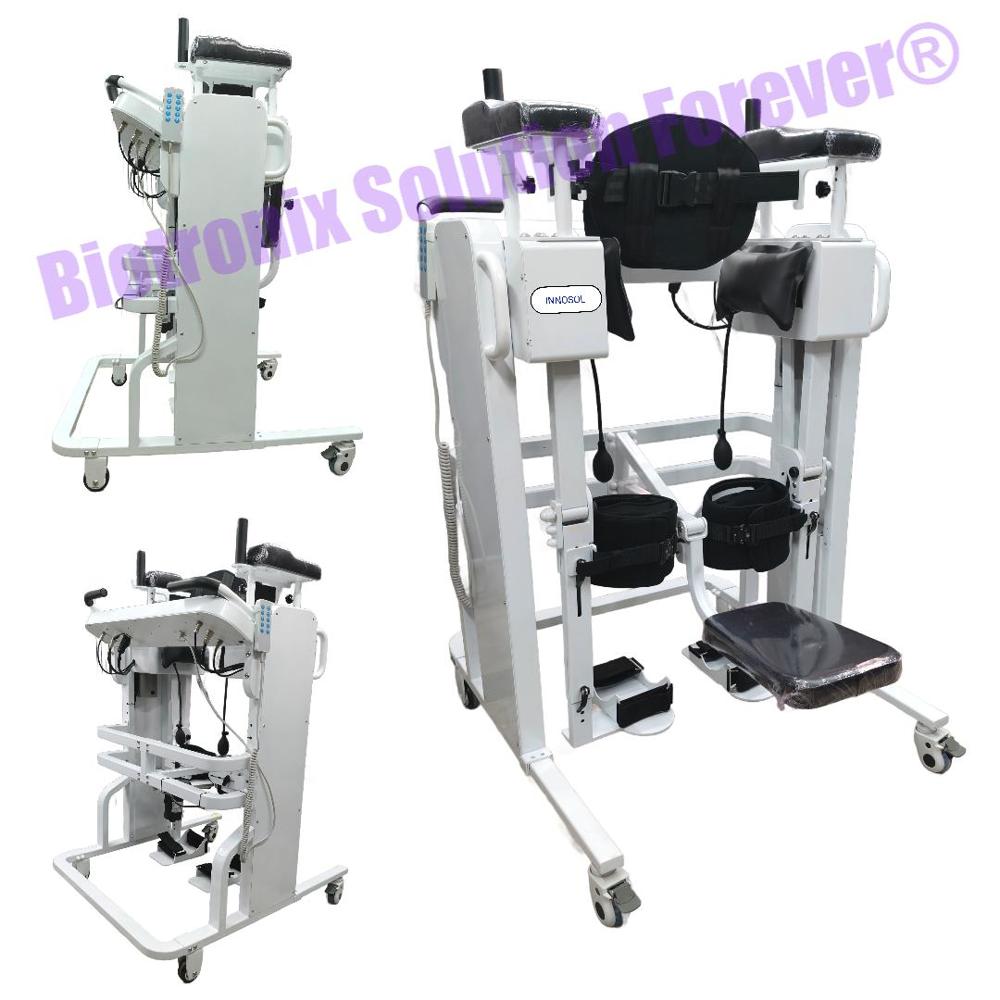
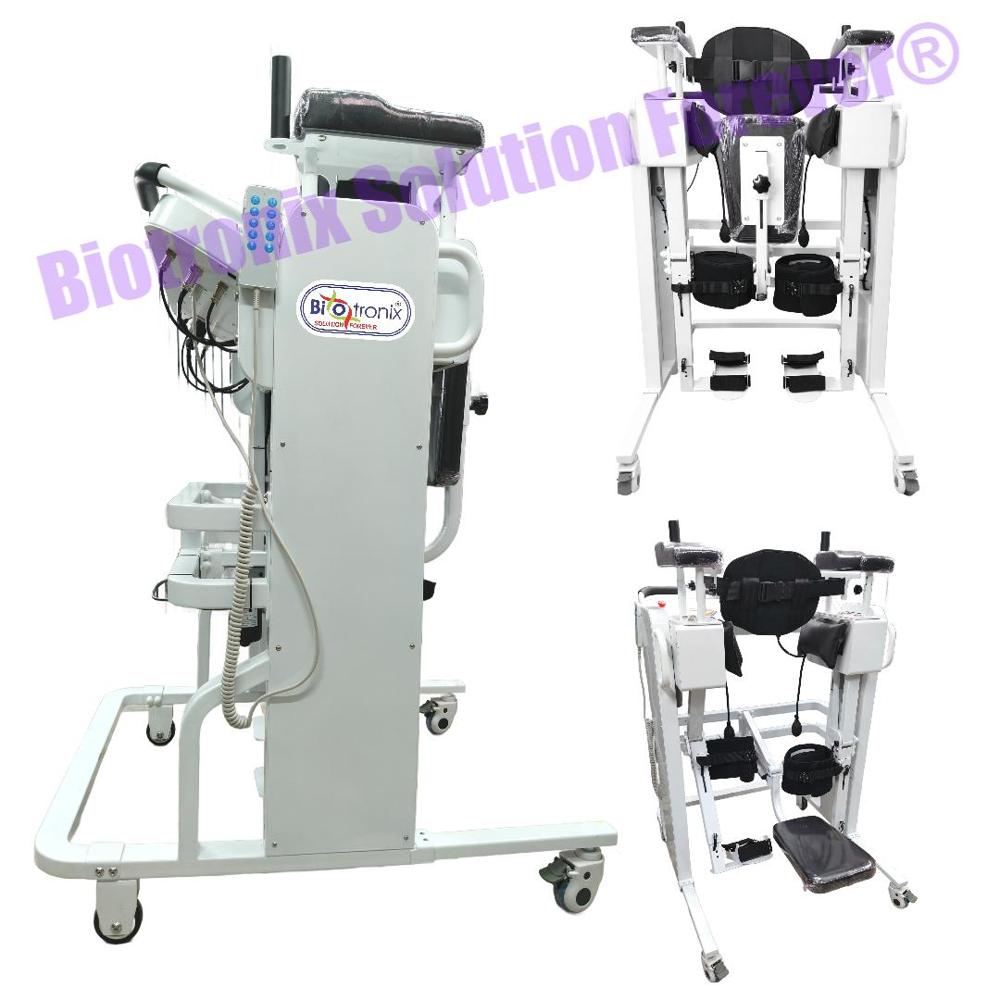
About Advanced Physiotherapy Exoskeleton Rehabilitation Device
Biotronix Advanced Physiotherapy Exoskeleton Rehabilitation Device
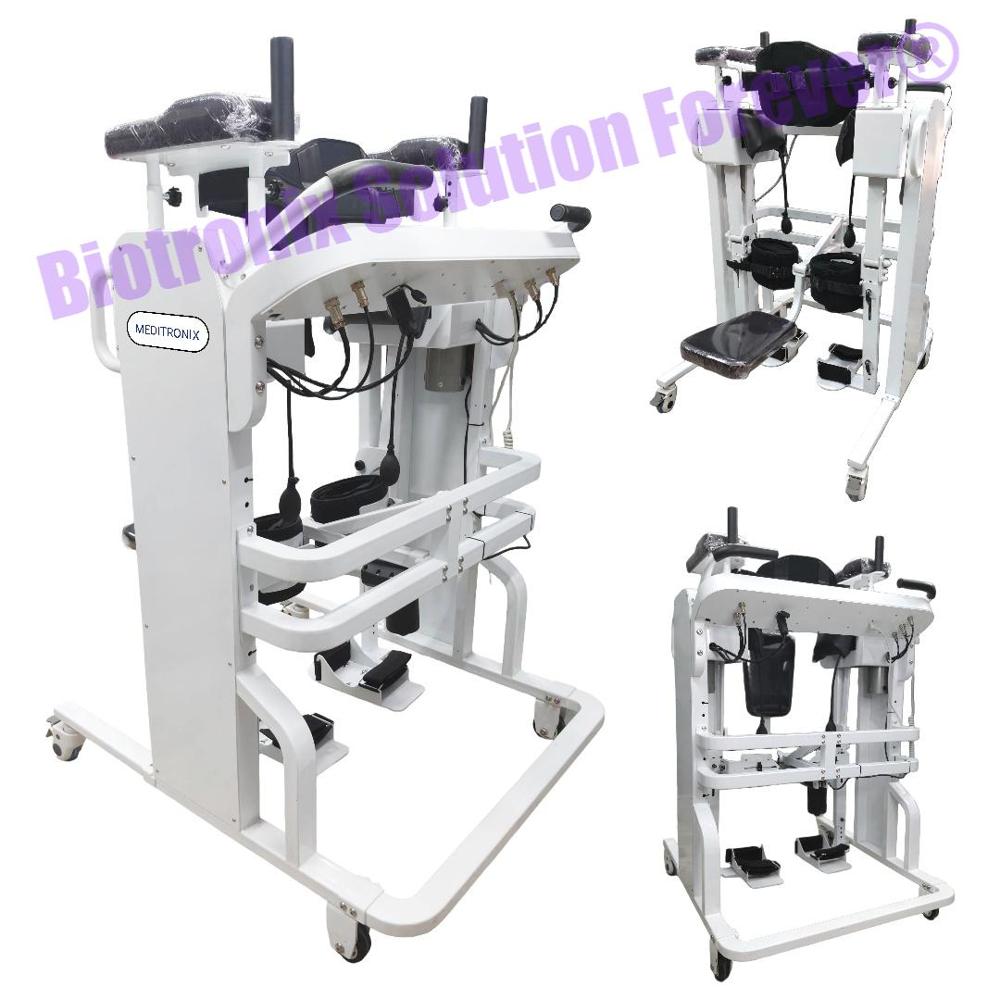
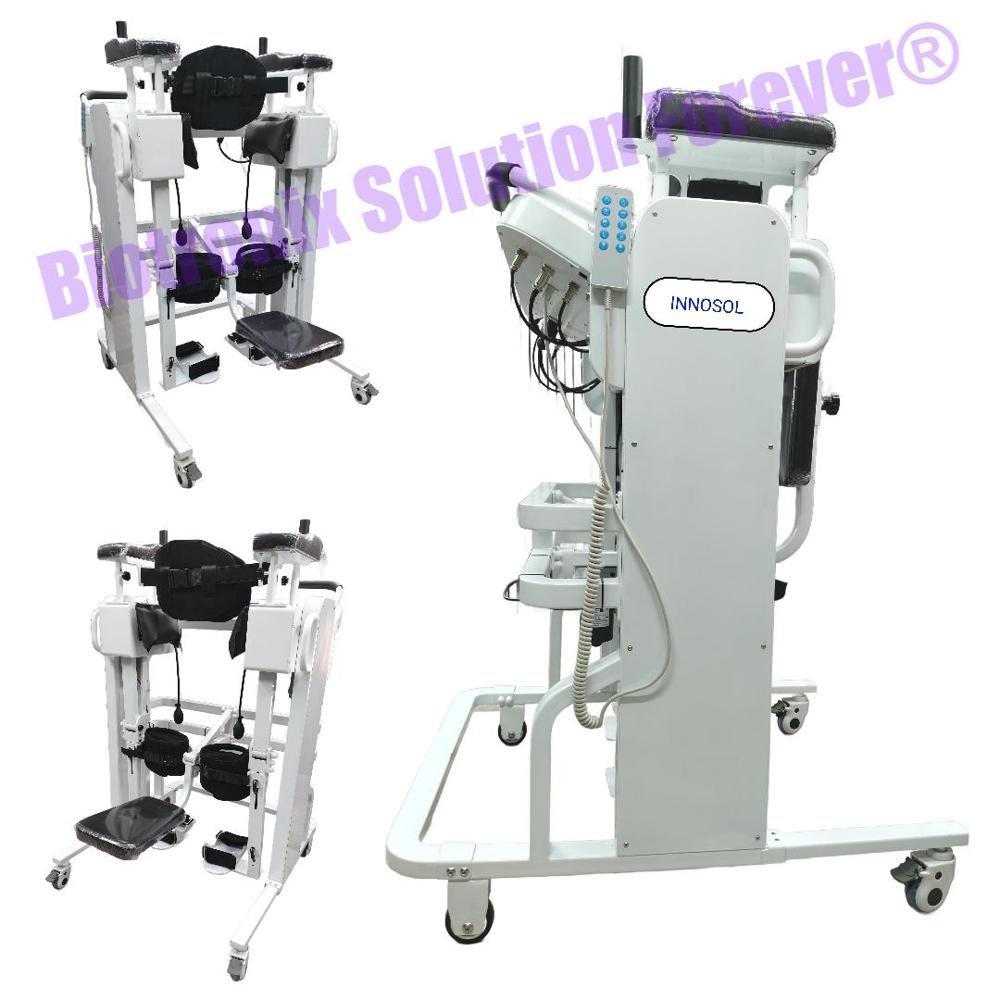
The Advanced Physiotherapy Exoskeleton Rehabilitation Device is a state-of-the-art robotic rehabilitation system engineered to improve walking ability, restore lower limb function, and accelerate recovery for patients with neurological and orthopedic disorders. Designed for hospitals, rehabilitation centers, physiotherapy clinics, medical colleges, and research institutions, this intelligent exoskeleton provides robotic-assisted gait training with precision motion control and real-time performance monitoring.
The device supports repetitive, task-oriented rehabilitation by simulating natural walking patterns and delivering consistent movement assistance. Equipped with intelligent sensors, servo motor technology, adjustable body weight support, and customizable rehabilitation programs, it enables therapists to deliver safe, effective, and personalized treatment for every stage of recovery. This advanced rehabilitation solution helps improve gait symmetry, muscle strength, balance, coordination, endurance, and functional independence while reducing therapist fatigue and increasing treatment efficiency.
Key Features
- Advanced robotic exoskeleton technology
- Intelligent gait rehabilitation system
- Precision servo motor drive
- Multiple rehabilitation training modes
- Passive, Active, Active-Assisted, and Intelligent Training
- Adjustable walking speed
- Adjustable stride length
- Adjustable step length
- Adjustable body weight support
- Natural gait pattern simulation
- Real-time gait analysis
- Motion, force and position sensors
- HD touchscreen control panel
- Patient progress monitoring
- Personalized rehabilitation programs
- Ergonomic lower limb support
- Comfortable safety harness
- Emergency stop system
- Overload protection
- Fall prevention technology
- Durable medical-grade construction
- User-friendly interface
- Low maintenance design
- Suitable for continuous rehabilitation sessions
Applications
- Stroke Rehabilitation
- Spinal Cord Injury Rehabilitation
- Traumatic Brain Injury Rehabilitation
- Parkinson's Disease Rehabilitation
- Multiple Sclerosis Rehabilitation
- Cerebral Palsy Rehabilitation
- Neurological Rehabilitation
- Orthopedic Rehabilitation
- Hip Replacement Rehabilitation
- Knee Replacement Rehabilitation
- Walking Disability Rehabilitation
- Lower Limb Muscle Weakness
- Balance Training
- Gait Re-Education
- Mobility Training
- Functional Walking Recovery
- Post-Surgical Rehabilitation
- Sports Injury Rehabilitation
- Physiotherapy Clinics
- Rehabilitation Hospitals
Benefits
- Restores natural walking ability
- Improves gait symmetry and coordination
- Enhances lower limb muscle strength
- Increases balance and postural stability
- Accelerates rehabilitation outcomes
- Supports neuroplasticity through repetitive training
- Reduces therapist workload
- Improves patient confidence
- Increases walking endurance
- Promotes functional independence
- Provides safe and comfortable gait training
- Personalized rehabilitation for every patient
- Suitable for early and advanced recovery stages
- Reliable clinical performance
- Improves overall mobility and quality of life
Technical Specifications
Product Name: Advanced Physiotherapy Exoskeleton Rehabilitation Device
Product Type: Robotic Lower Limb Rehabilitation System
Technology: Intelligent Robotic Exoskeleton
Application: Gait Training and Lower Limb Rehabilitation
Operation Mode: Automatic
Control System: Intelligent Microprocessor Control
Display: HD Digital Touchscreen
Training Modes: Passive, Active, Active-Assisted, Intelligent
Walking Speed: Adjustable
Stride Length: Adjustable
Step Length: Adjustable
Body Weight Support: Adjustable
Height Adjustment: Available
Patient Weight Capacity: Up to 120 kg
Drive System: Precision Servo Motors
Sensor Technology: Motion Sensors, Force Sensors, Position Sensors
Data Recording: Real-Time Patient Progress Monitoring
Software: Intelligent Rehabilitation Management System
Safety Features: Emergency Stop, Safety Harness, Fall Protection, Overload Protection
Frame Material: Medical Grade Aluminum Alloy and Steel
Power Supply: AC 220V 10%, 50/60 Hz
Power Consumption: Low Power Design
Installation: Floor-mounted
Usage: Professional Clinical Rehabilitation
Warranty: Manufacturer Warranty Available
Advanced Physiotherapy Exoskeleton Rehabilitation Device, Robotic Exoskeleton Rehabilitation System, Physiotherapy Exoskeleton Device, Lower Limb Robotic Rehabilitation Equipment, Robotic Gait Training System, Walking Rehabilitation Robot, Lower Limb Exoskeleton, Intelligent Rehabilitation Robot, Stroke Rehabilitation Equipment, Neuro Rehabilitation Robot, Robotic Walking Therapy Device
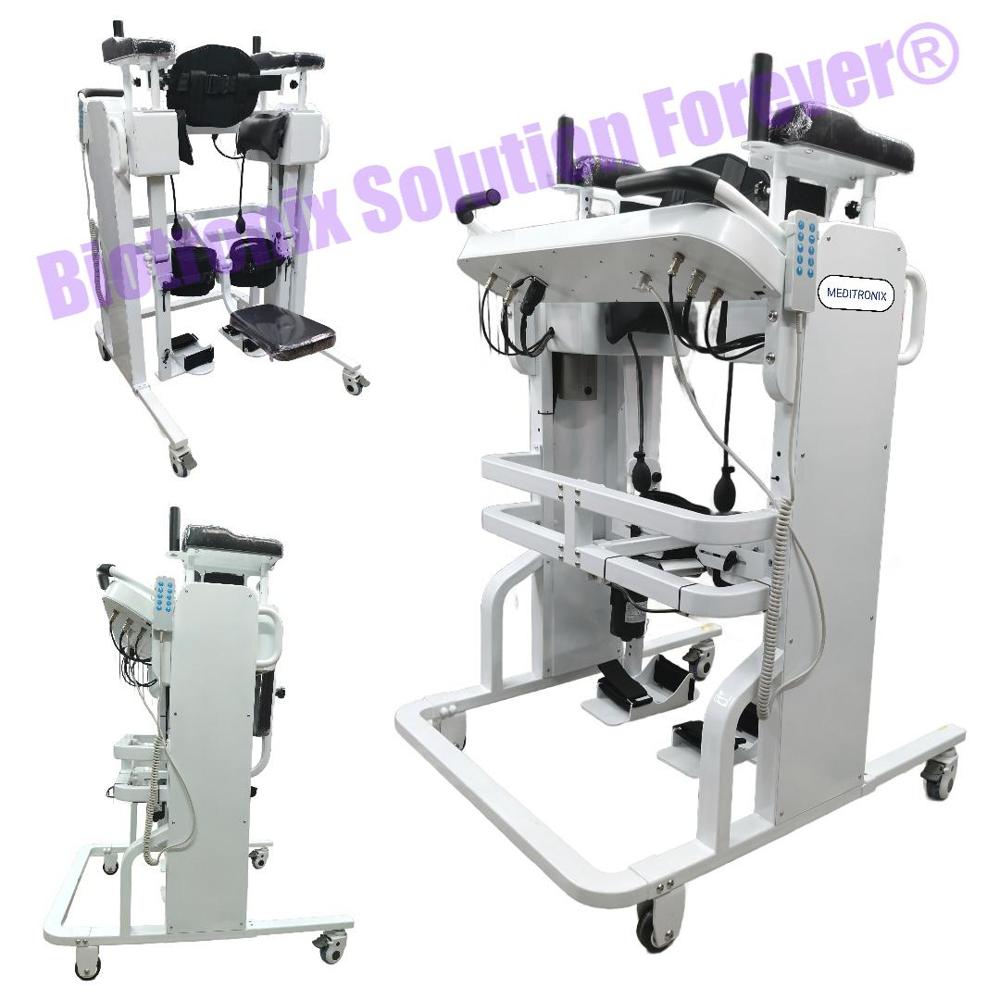
Intelligent Robotic Gait TrainingLeverage cutting-edge digital technology for targeted lower limb rehabilitation. The exoskeleton system intelligently adapts to individual patient needs, delivering real-time operation and progress tracking. Multiple predefined modes allow therapists to personalize gait training, ensuring optimal recovery from conditions such as stroke, paralysis, and traumatic brain injuries.
Safety-First Design and ErgonomicsBuilt with microprocessor-controlled safety features, including overload protection, emergency stop, and a robust safety lock, this device prioritizes patient security and comfort. The exoskeleton is crafted from medical-grade steel and plastic, ensuring durability without compromising ergonomic support throughout rehabilitation sessions.
Versatility and User CompatibilityFrom pediatric to geriatric rehabilitation, the device's adjustable body weight support and stride frequency make it suitable for a diverse age group. Its portability and fully automatic operation cater to various clinical environments, including hospitals, neurological centers, and sports medicine facilities, enhancing functional independence for a wide spectrum of users.
FAQ's of Advanced Physiotherapy Exoskeleton Rehabilitation Device:
Q: How does the exoskeleton support different body weights during rehabilitation?
A: The device includes an adjustable support range of 0-100 kg, allowing it to cater to both lighter and heavier patients. Therapists can modify the body weight support to match the user's requirements, ensuring effective and safe rehabilitation for each individual.
Q: What are the primary benefits of using this robotic exoskeleton in physiotherapy?
A: Users experience improved mobility, enhanced gait training accuracy, and increased safety. With functional independence training and weight-bearing support, patients recovering from strokes, paralysis, or traumatic brain injuries can regain confidence and correct their walking patterns efficiently.
Q: When is this device recommended for rehabilitation treatment?
A: The exoskeleton is recommended for use in early to advanced stages of recovery for conditions like stroke, paralysis, traumatic brain injuries, or neurological disorders affecting gait. Early intervention maximizes outcomes, but it's also effective in long-term rehabilitation programs.
Q: Where can this robotic exoskeleton be used?
A: It is suitable for hospitals, physiotherapy clinics, rehabilitation centers, neurological institutes, and sports medicine facilities. Its transportable design and adjustable settings make it compatible with a variety of professional healthcare environments.
Q: What is the operational process for using the device?
A: After proper patient setup and securing safety locks, therapists select one of the multiple preset programs via the touchscreen display. The exoskeleton then guides the patient through programmable walking cycles or gait patterns, adjusting frequency and support in real time as needed.
Q: How does the device ensure patient safety during use?
A: The equipment features emergency stop buttons, safety locks, and overload protection, all monitored by a digital microprocessor. These elements work in tandem to halt operation instantly in case of any irregularities, prioritizing patient security throughout therapy sessions.
Q: What maintenance or storage instructions should be followed for this exoskeleton?
A: To maintain optimal performance, store the device in a clean, cool, and dry location when not in use. Regular maintenance involves routine cleaning, checking all mechanical and digital components, and ensuring power supply components are functioning as specified.