About Advanced Exoskeleton Mobility Recovery System for Neurological Rehabilitation
Biotronix Advanced Exoskeleton Mobility Recovery System for Neurological Rehabilitation
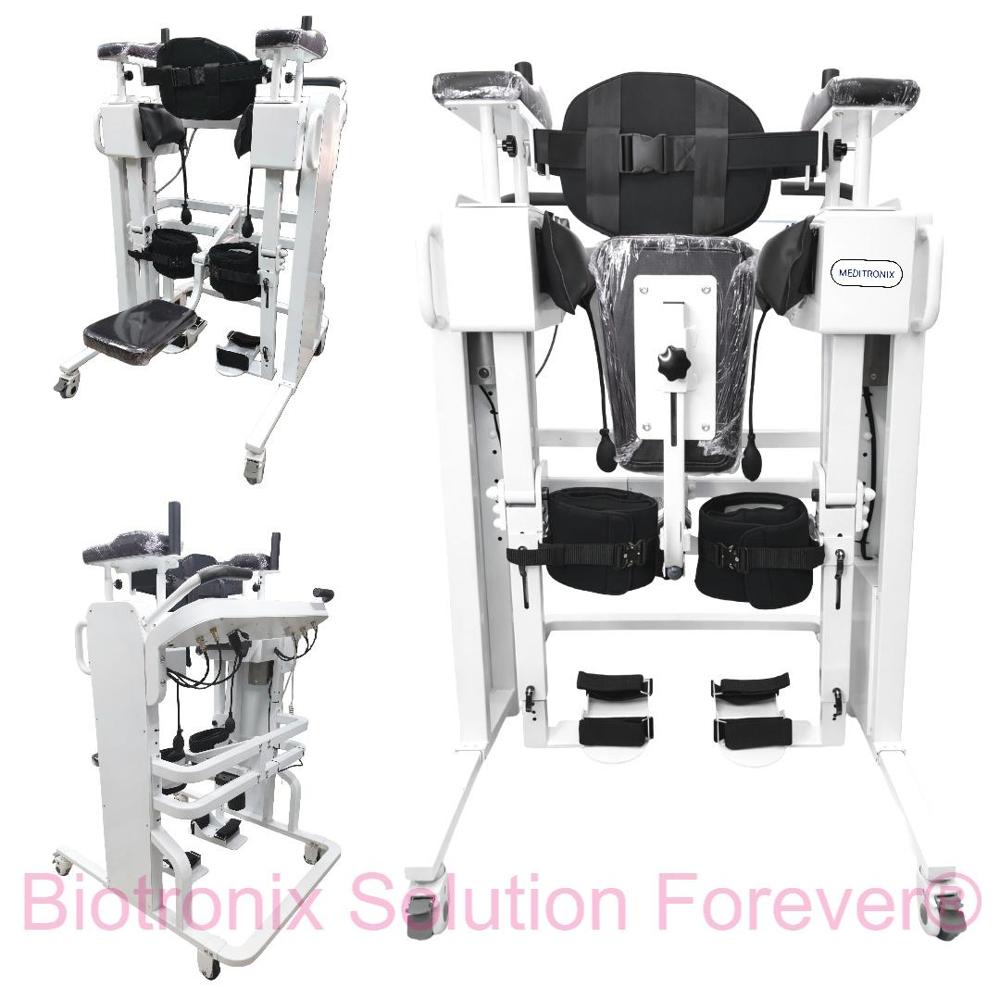
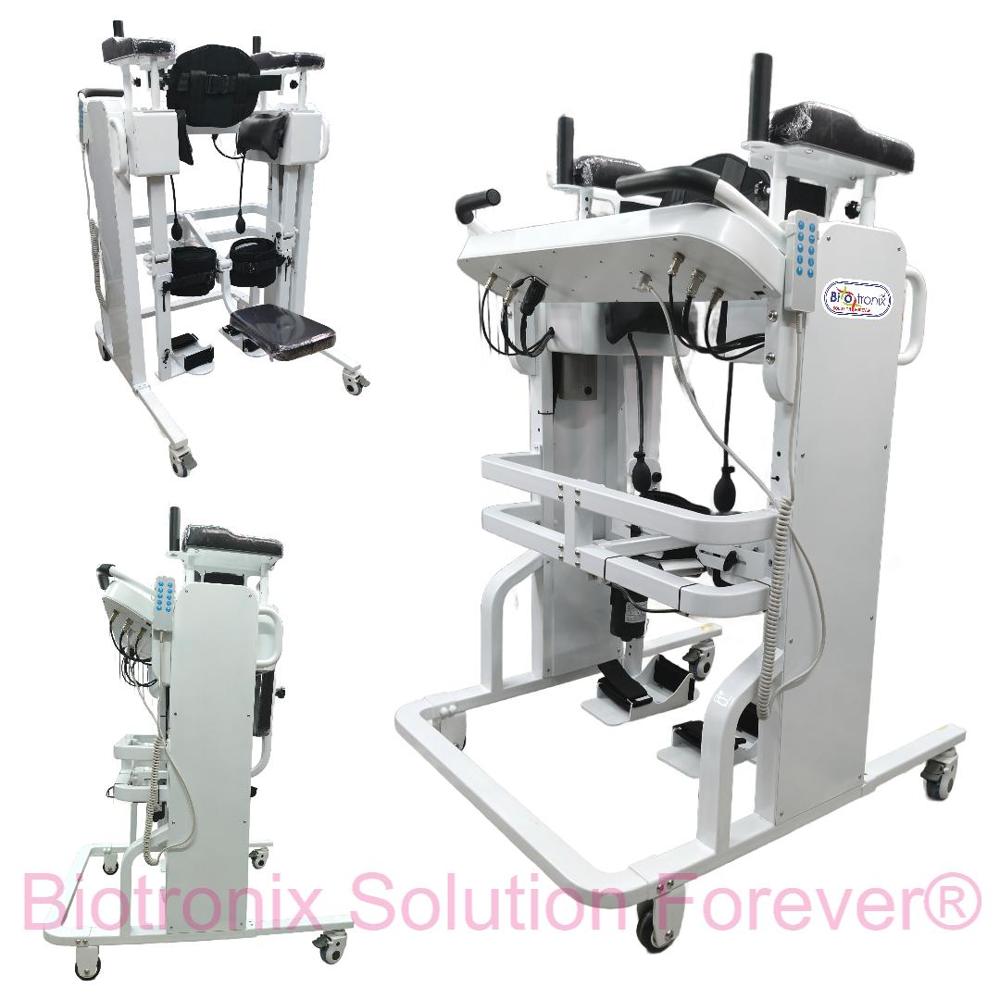
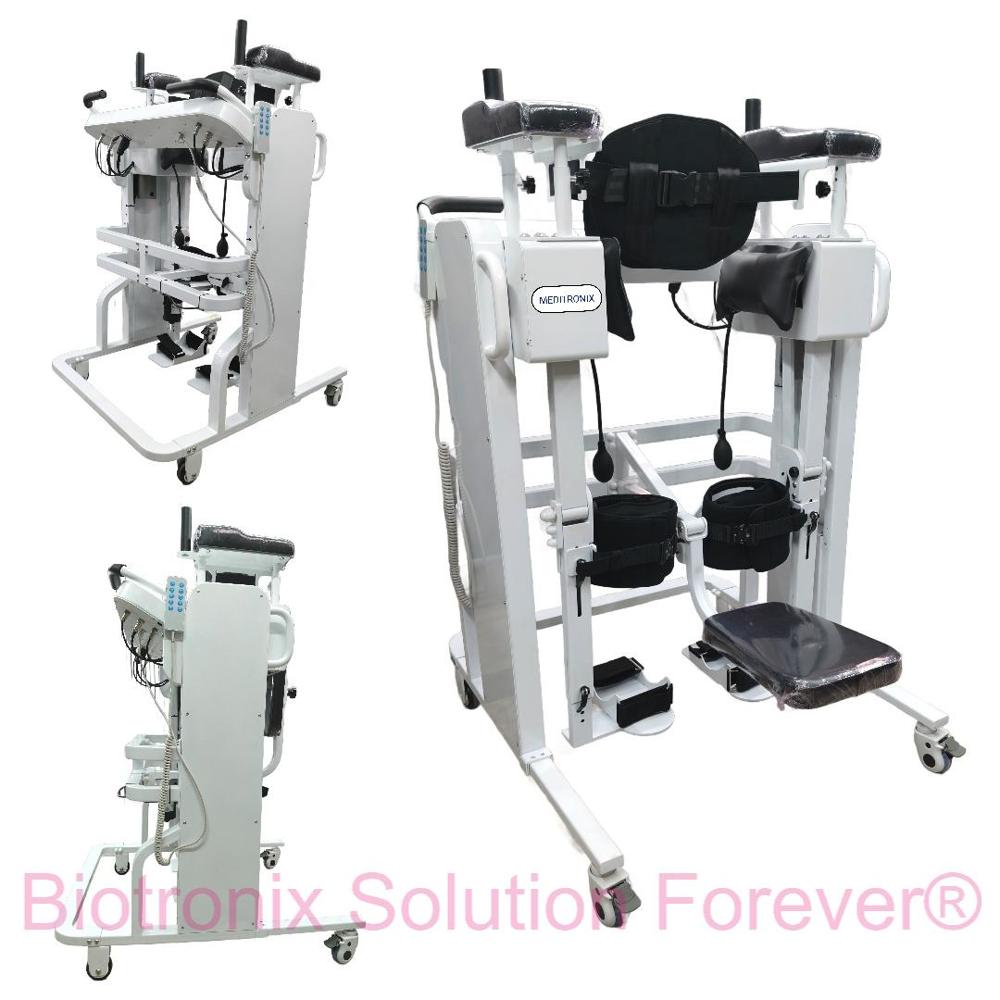
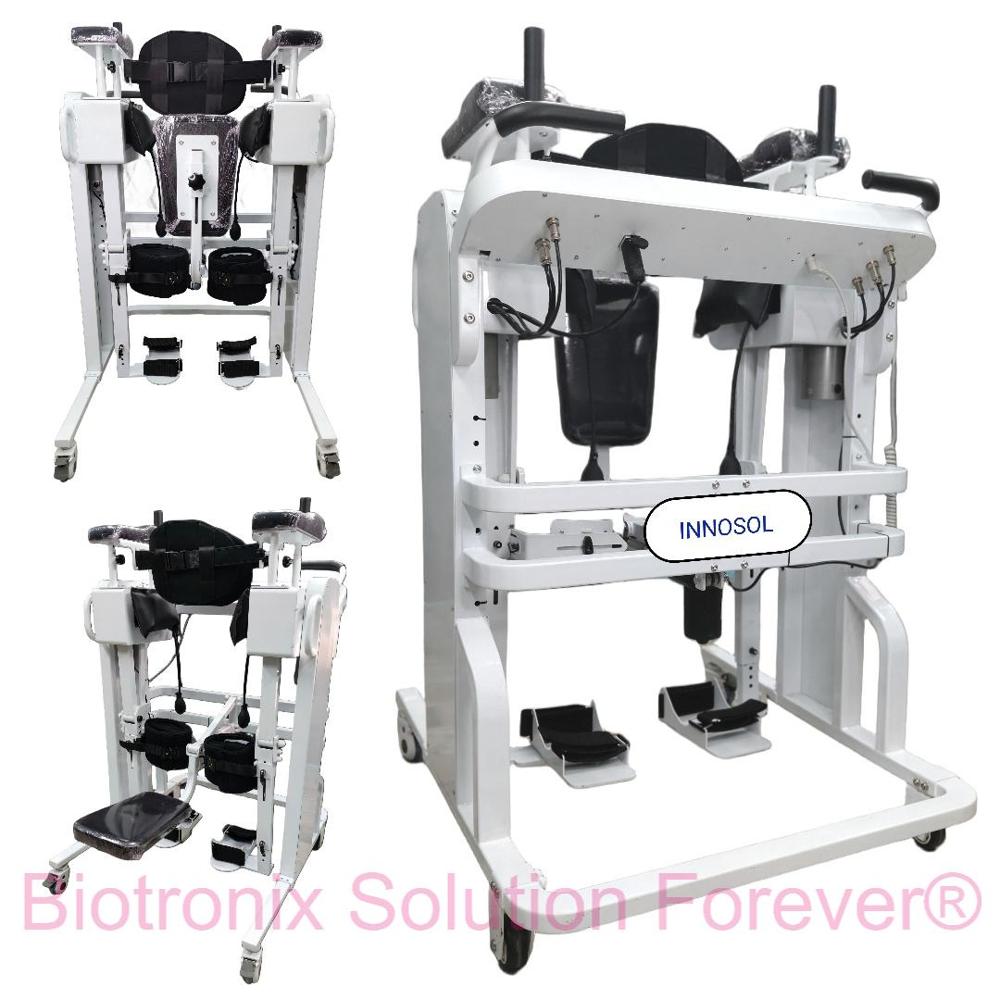
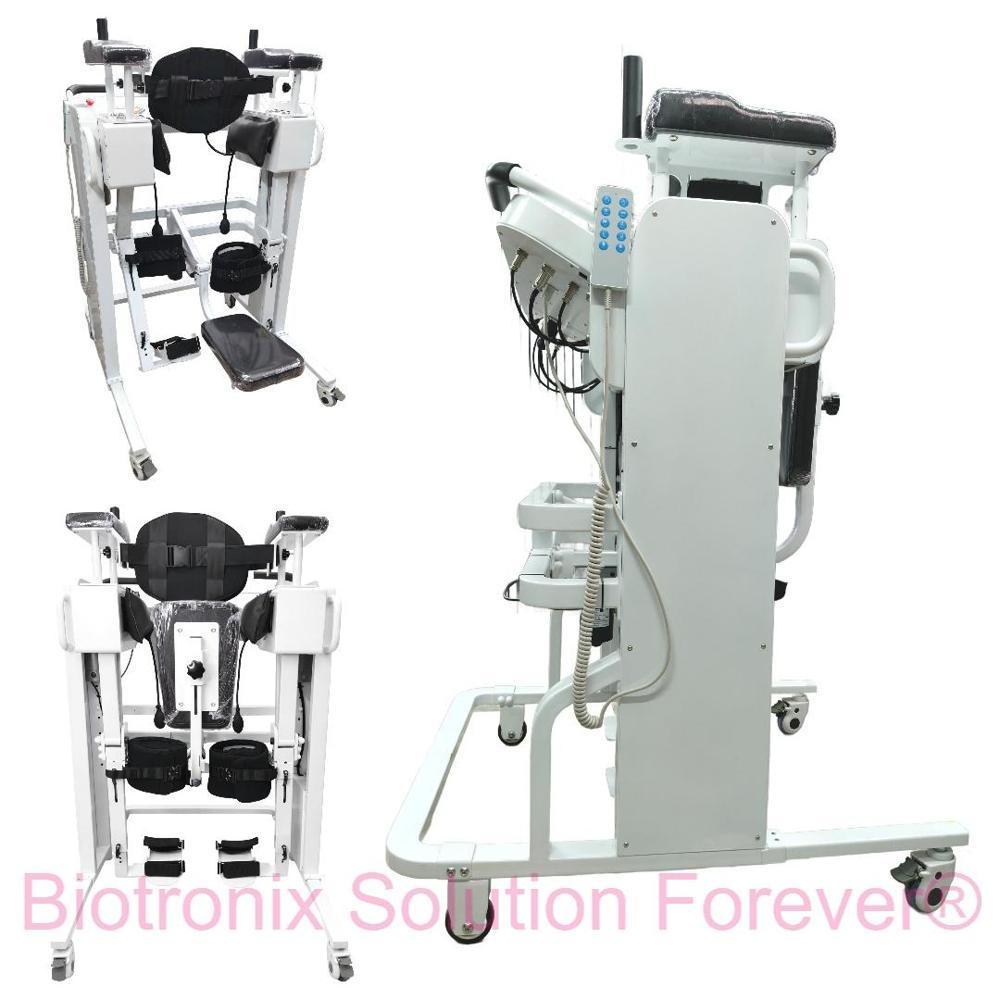
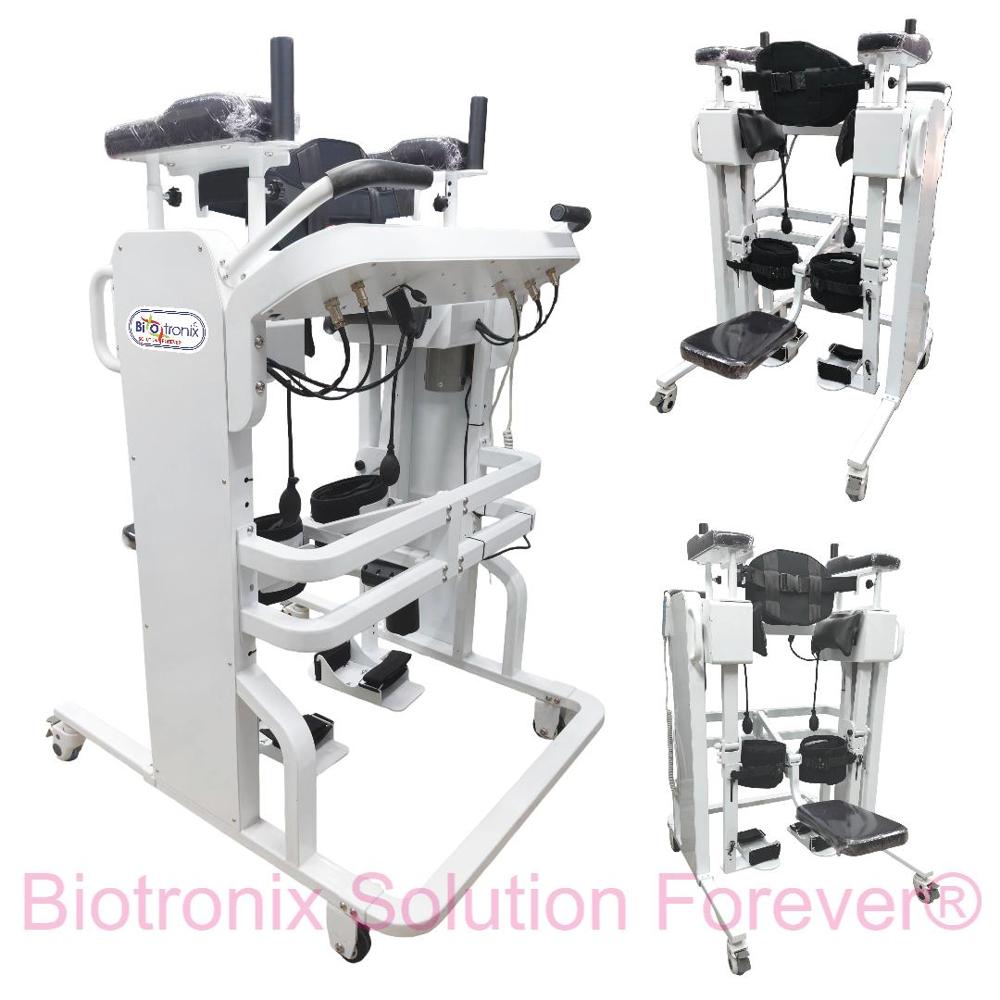
The Advanced Exoskeleton Mobility Recovery System for Neurological Rehabilitation is a state-of-the-art robotic rehabilitation solution designed to assist patients suffering from neurological disorders, mobility impairments, lower limb weakness, and gait dysfunction. This innovative exoskeleton technology combines robotic-assisted movement, body weight support, gait re-education, and mobility training to help patients regain functional walking ability, improve balance, enhance coordination, and restore independence in daily activities.
Engineered for modern rehabilitation centers, physiotherapy clinics, neurological hospitals, and advanced recovery facilities, the system provides precise lower limb movement assistance through intelligent robotic mechanisms. The exoskeleton supports repetitive task-specific training, allowing patients to practice natural walking patterns in a controlled and safe environment. By promoting neuroplasticity and motor relearning, the device helps accelerate recovery and improve overall rehabilitation outcomes.
The system is highly beneficial for patients recovering from stroke, spinal cord injuries, traumatic brain injuries, cerebral palsy, Parkinsons disease, multiple sclerosis, and other neurological conditions that affect mobility. Its ergonomic design, adjustable support systems, secure harness technology, and therapist-friendly controls ensure maximum patient comfort and treatment efficiency.
Key Features
- Advanced Robotic Exoskeleton Technology
- Intelligent Gait Training System
- Lower Limb Mobility Rehabilitation Platform
- Dynamic Body Weight Support Mechanism
- Robotic Walking Assistance Function
- Adjustable Pelvic and Hip Support
- Bilateral Leg Movement Training
- Neurological Rehabilitation Programs
- Balance and Coordination Training
- Functional Mobility Recovery Support
- Height Adjustable Clinical Framework
- Ergonomic Patient Positioning System
- Multi-Level Rehabilitation Modes
- Therapist-Friendly Operation Interface
- Heavy-Duty Medical-Grade Construction
- Advanced Safety Harness System
- Smooth Mobility Wheels with Locking Mechanism
- Suitable for Intensive Rehabilitation Programs
Benefits
- Supports Recovery After Stroke
- Enhances Walking Ability and Gait Function
- Promotes Neuroplasticity and Motor Learning
- Improves Balance and Postural Stability
- Strengthens Lower Limb Muscles
- Enhances Coordination and Mobility
- Supports Functional Independence
- Reduces Risk of Secondary Complications
- Improves Patient Confidence
- Encourages Early Mobilization
- Increases Rehabilitation Efficiency
- Reduces Therapist Physical Workload
- Supports Long-Term Neurological Recovery
- Facilitates Repetitive Task-Specific Training
- Improves Quality of Life
Applications
- Stroke Rehabilitation Programs
- Spinal Cord Injury Rehabilitation
- Neurological Rehabilitation Centers
- Parkinson's Disease Therapy
- Multiple Sclerosis Rehabilitation
- Cerebral Palsy Rehabilitation
- Traumatic Brain Injury Recovery
- Lower Limb Weakness Rehabilitation
- Post-Surgical Mobility Training
- Orthopedic Rehabilitation Programs
- Balance and Coordination Therapy
- Gait Re-Education Training
- Functional Mobility Recovery
- Walking Independence Training
- Physical Therapy and Rehabilitation Clinics
Technical Specifications
- Product Name: Advanced Exoskeleton Mobility Recovery System
- Device Type: Robotic Neurological Rehabilitation System
- Technology: Robotic-Assisted Gait Training
- Rehabilitation Focus: Lower Limb Mobility Recovery
- Training Mode: Assisted Walking Therapy
- Support System: Dynamic Body Weight Support
- Pelvic Support: Adjustable
- Hip Support: Adjustable
- Knee Alignment Control: Available
- Patient Harness System: High-Security Clinical Harness
- Frame Construction: Heavy-Duty Medical-Grade Steel
- Height Adjustment: Multi-Level Adjustable
- Mobility System: Medical Castor Wheels with Locks
- Training Programs: Multiple Rehabilitation Modes
- Patient Positioning: Ergonomic Adjustable Design
- Safety Features: Multi-Point Safety Support System
- Clinical Application: Neurological Rehabilitation
- Patient Category: Adult Rehabilitation Patients
- Operating Environment: Hospitals & Rehabilitation Centers
- Usage: Professional Clinical Use
Advanced Exoskeleton Mobility Recovery System, Neurological Rehabilitation Exoskeleton, Robotic Gait Training Device, Stroke Rehabilitation Exoskeleton, Lower Limb Rehabilitation Robot, Walking Recovery System, Robotic Mobility Rehabilitation Equipment, Neuro Rehabilitation Exoskeleton, Gait Training Rehabilitation Device,
Intelligent Robotic RehabilitationLeverage the power of advanced digital technology for targeted neurological recovery. This exoskeleton system adapts to individual patient needs, enabling functional independence, weight bearing training, and precise walking pattern correction supported by real-time touch screen controls and multiple treatment modes.
Safety-Driven, Patient-Focused DesignEngineered with emergency stop mechanisms, safety locks, and overload protection, this exoskeleton prioritizes user safety during rehabilitation sessions. Its low noise operation and ergonomic design ensure a comfortable experience for users of all ages, from infants to elders.
Versatile Clinical ApplicationsSuitable for a wide variety of clinical environments, the exoskeleton is ideal for stroke rehabilitation, gait training, and paralysis recovery. Its adaptability and ease of use make it a valuable addition to hospitals, neurological centers, and sports medicine facilities seeking efficient patient mobility solutions.
FAQ's of Advanced Exoskeleton Mobility Recovery System for Neurological Rehabilitation:
Q: How does the Advanced Exoskeleton Mobility Recovery System support neurological rehabilitation?
A: The system employs intelligent robotic gait training and precise digital controls to aid recovery in patients with neurological conditions like traumatic brain injury or stroke. It supports functional independence, corrects walking patterns, and offers tailored weight bearing training in real time.
Q: What is the process for using the exoskeleton in a clinical setting?
A: To use the device, place the patient into the ergonomic exoskeleton harness, select a preset training program on the touch screen, and adjust settings such as body weight support and step frequency. The system operates fully automatically, allowing clinicians to monitor and adjust treatment as needed.
Q: When is this device recommended for use?
A: This exoskeleton is recommended during post-acute and sub-acute neurological rehabilitation, especially for conditions like stroke, paralysis, and traumatic brain injury. It is also suitable whenever gait training or functional mobility improvement is a therapeutic goal.
Q: Where can the exoskeleton system be used?
A: The device is portable and designed for use in hospitals, physiotherapy clinics, rehabilitation centers, neurological centers, and sports medicine facilities. Its size and mobility make it adaptable to a variety of professional healthcare environments.
Q: What are the primary benefits of this mobility recovery system?
A: Key benefits include individualized patient support up to 100 kg, real-time digital controls, multiple preset programs, improved patient safety with emergency and overload features, and the ability to cater to a broad patient age group, resulting in enhanced rehabilitation outcomes.
Q: How do the adjustable features enhance patient rehabilitation?
A: The adjustable weight support and step frequency (20-60 steps/min) allow therapists to tailor the rehabilitation process to each patient's ability and recovery phase. This customization maximizes comfort, safety, and efficiency during gait training.
Q: Is ongoing maintenance required for the exoskeleton, and how is it stored?
A: Routine cleaning and periodic technical checks are advised to ensure optimal performance. The unit should be stored in a clean, cool, and dry place to preserve its condition and functionality.






 Send Inquiry
 Send Inquiry
 Send Inquiry
 Send SMS
 Call Me Free